
Underinsured Motorist Coverage — Pennsylvania
Free to compare
Pennsylvania Does Not Require Underinsured Motorist Coverage
Pennsylvania law does not mandate underinsured motorist coverage. The state requires only $15,000 per person and $30,000 per accident in bodily injury liability, $5,000 in property damage liability, and personal injury protection. Underinsured motorist coverage is optional.
Carriers licensed in Pennsylvania must offer underinsured motorist coverage to every policyholder. If you choose not to carry it, you must decline the coverage in writing. The written rejection is the procedural step that confuses multi-car households: one signed rejection form typically covers every vehicle on the policy, but adding a vehicle later may trigger a new offer-and-rejection cycle depending on the carrier's underwriting process.
“One signed rejection covers every vehicle on the policy, but adding a vehicle mid-term may trigger a new offer depending on the carrier.”

Meet Pennsylvania's Requirements Without Overpaying
Get My Pennsylvania Car Insurance Quote11%
Pennsylvania Uninsured Motorist Rate
Eleven percent of Pennsylvania drivers carry no insurance. Underinsured motorist coverage protects you when an at-fault driver carries liability limits below your medical costs or vehicle damage, which is common when the other driver carries only the state minimum $15,000 per person.
Insurance Research Council, 2023
The Offer-and-Rejection Requirement
Pennsylvania statute requires carriers to offer underinsured motorist coverage at limits equal to your bodily injury liability limits unless you reject it in writing. The rejection must be signed. A verbal decline does not satisfy the requirement.
When you add a second or third vehicle to an existing policy, the carrier may issue a new offer-and-rejection form. Whether this happens depends on the carrier's underwriting system and whether the new vehicle changes the policy's coverage structure. Some carriers treat the original rejection as binding for all vehicles added later to the same policy; others require a fresh rejection each time the policy is re-rated.
If you accepted underinsured motorist coverage when you bought your first vehicle, adding a second vehicle does not remove that coverage. The coverage extends to every vehicle on the policy unless you later submit a written rejection. Conversely, if you rejected the coverage initially and then add a vehicle, check whether the carrier requires a new rejection form or whether the original rejection remains in force.
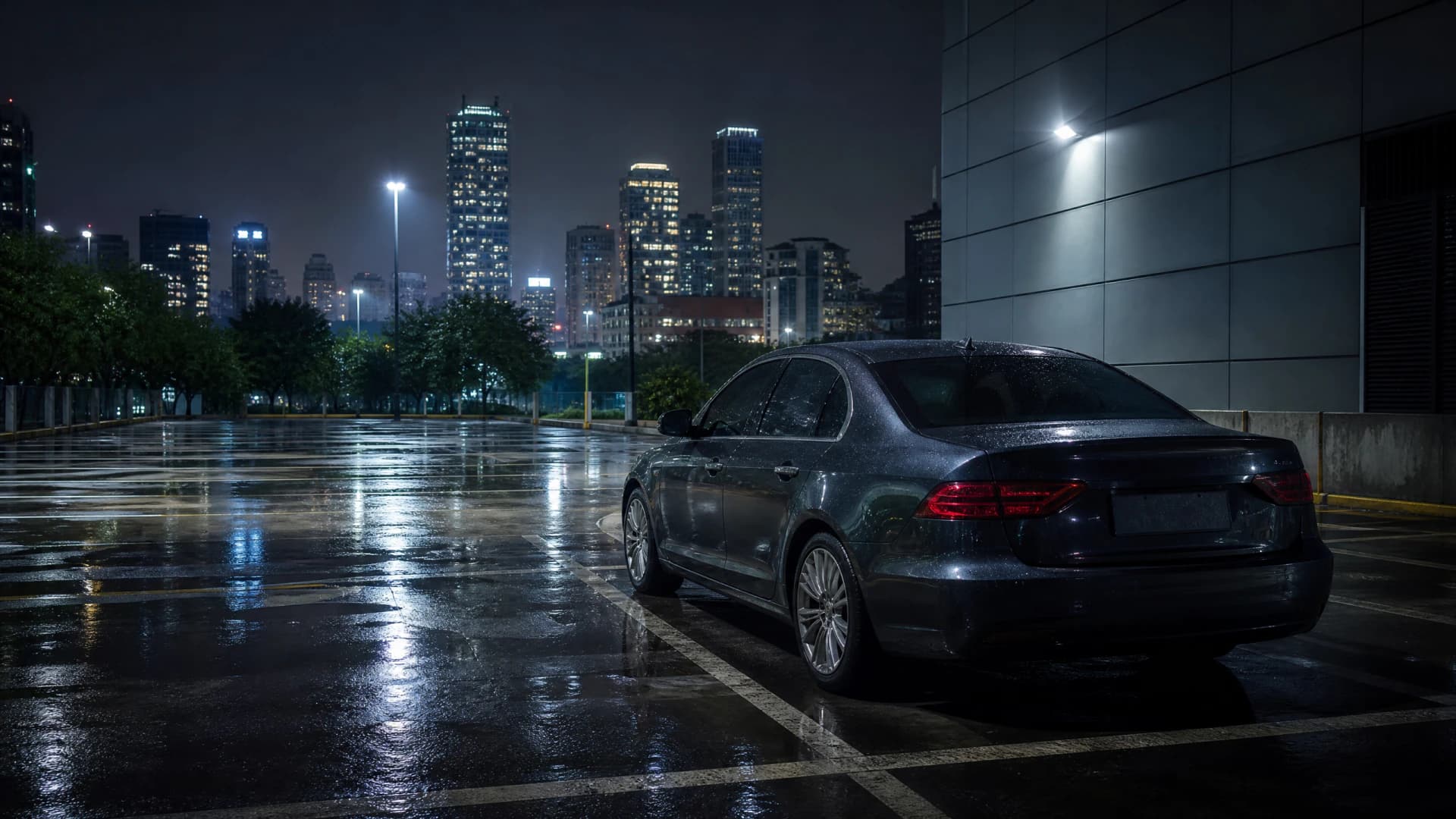
One signed rejection typically covers every vehicle on the policy, but adding a vehicle mid-term may trigger a new offer depending on the carrier's underwriting process.
Related Articles




Written Rejection and Policy Changes
The written rejection form is a standalone document. Carriers cannot bury the rejection in fine print or infer rejection from silence. You must sign a form that explicitly states you are declining underinsured motorist coverage.
When you combine two separate policies into one multi-vehicle policy, the carrier must issue a new offer-and-rejection form for the combined policy. The rejection you signed on your original policy does not automatically transfer to the new policy structure. This matters when two spouses merge their separate policies after marriage or when a household member moves in with a car and you add that vehicle to your existing policy.
If you rejected underinsured motorist coverage years ago and cannot remember whether you signed a rejection form, request a copy of your policy declarations page. The declarations page lists every coverage on the policy. If underinsured motorist coverage does not appear and you did not sign a rejection form, the carrier may have failed to offer the coverage as required by statute. Contact the carrier and request the offer.
$15,000 / $30,000
Pennsylvania Minimum Liability Limits
Pennsylvania requires $15,000 per person and $30,000 per accident in bodily injury liability. A driver carrying only the state minimum cannot cover medical costs above $15,000 per injured person, which is why underinsured motorist coverage matters even when the at-fault driver carries insurance.
Pennsylvania Department of Transportation

Comparing Carriers for Multi-Vehicle Underinsured Motorist Coverage
Not every carrier prices underinsured motorist coverage the same way on multi-vehicle policies. Some carriers apply a per-vehicle surcharge; others apply a flat policy-level charge regardless of how many vehicles you insure. When you add a third or fourth vehicle, the difference in pricing structure can shift which carrier offers the lowest total premium.
Carriers licensed in Pennsylvania that write multi-vehicle policies and offer underinsured motorist coverage include State Farm, Geico, Progressive, Allstate, Erie, Nationwide, Liberty Mutual, Travelers, and USAA. Each applies its own underwriting rules to the offer-and-rejection requirement, so the timing of the offer when you add a vehicle varies by carrier.
What To Do Right Now
Pull your current policy declarations page and confirm whether underinsured motorist coverage appears. If it does not and you do not remember signing a rejection form, contact your carrier and request a copy of the signed rejection or ask the carrier to issue a new offer. If you carry the coverage and plan to add a vehicle, ask the carrier whether adding the vehicle will trigger a new offer-and-rejection cycle or whether your existing election remains in force. Compare carriers that write multi-vehicle policies in Pennsylvania and request quotes that include underinsured motorist coverage at limits equal to your bodily injury liability limits. The Pennsylvania car insurance requirements page lists every mandatory and optional coverage the state recognizes and explains how each applies to multi-vehicle households.
How Underinsured Motorist Coverage Works Across Multiple Vehicles
When you carry underinsured motorist coverage on a multi-vehicle policy, the coverage limit applies per accident, not per vehicle. If two of your household's cars are involved in separate accidents on the same day, each accident is covered up to the policy limit. The limit does not divide across the vehicles.
Underinsured motorist coverage pays the difference between the at-fault driver's liability limit and your actual damages, up to your underinsured motorist limit.
Get Your Free Quote
Get My Pennsylvania Car Insurance QuoteFrequently Asked Questions
Does Pennsylvania require underinsured motorist coverage?
No. Pennsylvania does not mandate underinsured motorist coverage. Carriers must offer it to every policyholder, and you must decline it in writing if you choose not to carry it. The coverage is optional.
Does one rejection form cover every vehicle on my policy?
Typically yes. One signed rejection form covers every vehicle listed on the policy at the time you sign it. Adding a vehicle later may trigger a new offer-and-rejection cycle depending on the carrier's underwriting process.
What happens if I add a vehicle and the carrier does not offer underinsured motorist coverage again?
Your original rejection remains in force. The coverage does not automatically apply to the new vehicle unless you affirmatively elect it. If you want the coverage on the newly added vehicle, contact the carrier and request to add it.
Can I carry different underinsured motorist limits on different vehicles?
No. Underinsured motorist coverage is a per-policy election, not a per-vehicle one. The limit you select applies to every vehicle on the policy and to every household member driving those vehicles.
What is the difference between uninsured and underinsured motorist coverage?
Uninsured motorist coverage pays when the at-fault driver carries no insurance. Underinsured motorist coverage pays when the at-fault driver carries liability limits below your damages. Pennsylvania does not require either, but carriers must offer both.
How do I know if I rejected underinsured motorist coverage?
Check your policy declarations page. If underinsured motorist coverage does not appear and you did not sign a rejection form, the carrier may have failed to offer the coverage. Request a copy of the signed rejection form or ask the carrier to issue a new offer.