
Uninsured Motorist Coverage — Pennsylvania
Free to compare
When the Other Driver Has No Insurance
You're stopped at a red light in your sedan. Your spouse is two cars ahead in the SUV. An uninsured driver runs the light and T-bones your car, sending you to the hospital and totaling the vehicle. Your liability policy — the coverage Pennsylvania requires — pays nothing for your injuries or your destroyed car, because liability only covers damage you cause to others. The uninsured driver has no policy to file against. Without uninsured motorist coverage on your policy, you're paying out of pocket.
This scenario plays out across Pennsylvania every day. Eleven percent of drivers in the state have no insurance at all. Pennsylvania does not require uninsured motorist coverage, so it's optional on every policy. Many households with two, three, or four vehicles skip it to lower their premium, not realizing that their liability-only policy leaves them completely exposed when an uninsured driver causes the crash.
“Your liability policy pays nothing when someone else hits you. Without uninsured motorist coverage, you have no claim to file.”
Meet Pennsylvania's Requirements Without Overpaying
Get My Pennsylvania Car Insurance Quote11%
Pennsylvania Uninsured Drivers
One in nine drivers on Pennsylvania roads carries no insurance. When an uninsured driver causes a crash, their victims have no policy to file against — only their own uninsured motorist coverage, if they bought it.
Insurance Research Council, 2023
What Uninsured Motorist Coverage Actually Pays
Uninsured motorist coverage has two components: bodily injury (UMBI) and property damage (UMPD). UMBI pays medical bills, lost wages, and pain-and-suffering damages when an uninsured or hit-and-run driver injures you or your passengers. UMPD pays to repair or replace your vehicle when an uninsured driver damages it. Both coverages step in only when the at-fault driver has no insurance or cannot be identified.
Pennsylvania's minimum liability requirement is $15,000 per person and $30,000 per accident for bodily injury, plus $5,000 for property damage. If you buy uninsured motorist coverage, carriers typically offer it in the same limit structure: $15,000/$30,000 UMBI and $5,000 UMPD mirrors the state minimum.
UMBI works like the other driver's liability policy would have worked if they'd had one. You file a claim with your own carrier, and the carrier investigates fault. If the uninsured driver caused the crash, your UMBI pays your medical bills up to the policy limit. UMPD works the same way for vehicle damage, but the $5,000 minimum-limit version rarely covers the full cost of repairing or replacing a totaled car.
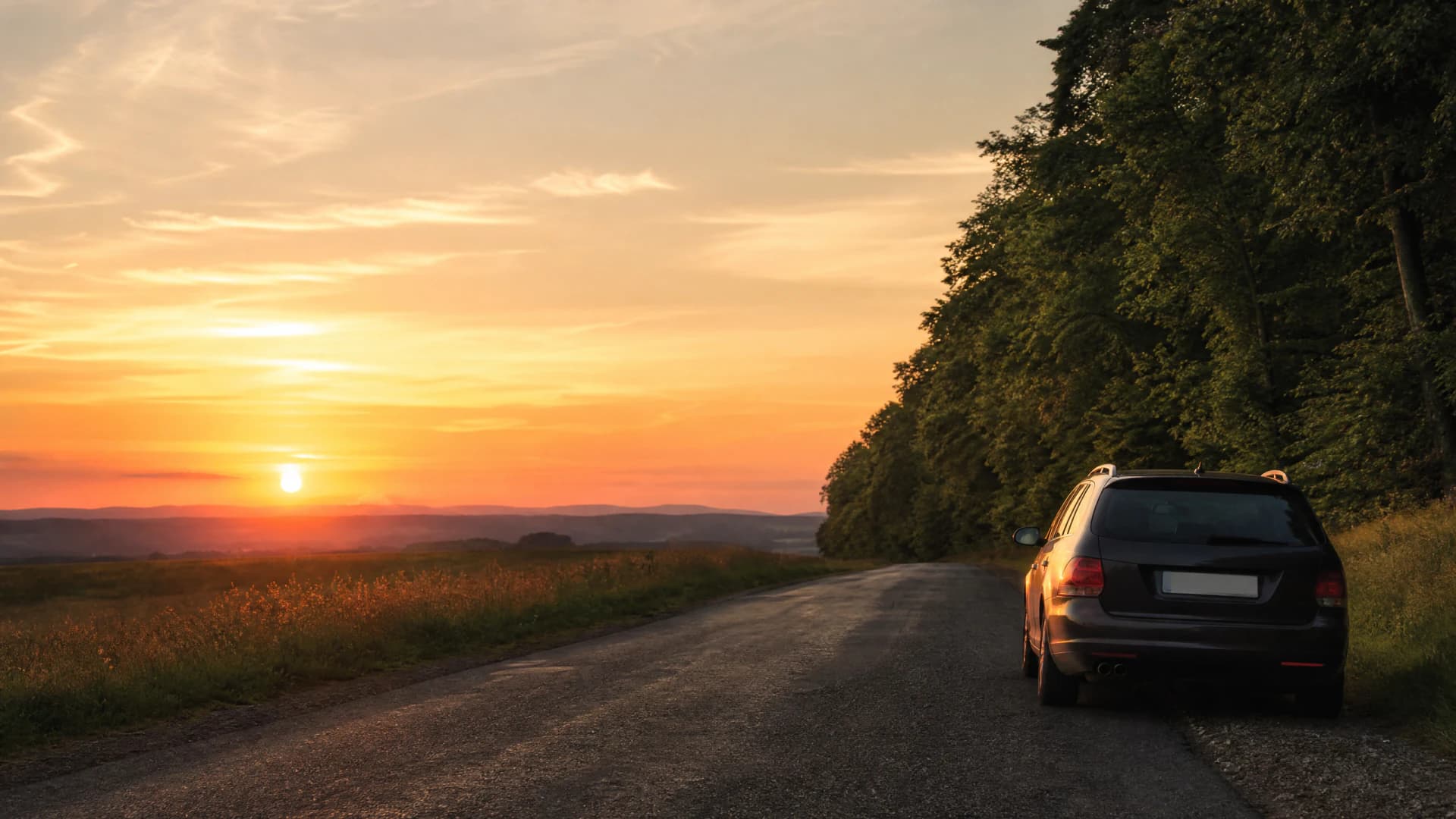
Your liability policy pays nothing when someone else hits you. Without uninsured motorist coverage, you have no claim to file when the at-fault driver has no insurance.
Related Articles

Underinsured Motorist Coverage Fills the Gap
Underinsured motorist coverage (UIMBI and UIMPD) works like uninsured motorist coverage, but it applies when the at-fault driver has insurance that isn't enough to cover your damages. Pennsylvania's minimum liability requirement is $15,000 per person for bodily injury.
Underinsured motorist coverage is sold alongside uninsured motorist coverage, often as a combined endorsement. When you buy UM/UIM coverage, you're buying protection against both drivers with no insurance and drivers with too little. Pennsylvania does not require either coverage, so you must add it to your policy explicitly. Households with multiple vehicles face higher exposure: more cars on the road means more opportunities to encounter an underinsured driver, and more household members whose injuries could exceed the at-fault driver's low liability limit.
Carriers in Pennsylvania typically offer UM/UIM in stacked or unstacked forms. Stacked coverage multiplies your per-person limit by the number of vehicles on the policy. Stacked coverage costs more, but it provides substantially higher protection for multi-car households where several family members could be injured in one crash.
$15,000 / $30,000 / $5,000
Pennsylvania Minimum Liability
Pennsylvania requires $15,000 bodily injury per person, $30,000 per accident, and $5,000 property damage. Uninsured and underinsured motorist coverage is optional, so many drivers on the road carry only these minimums — or nothing at all.
Pennsylvania Department of Transportation
Whether Your Household Needs Uninsured Motorist Coverage
Without uninsured motorist coverage, you pay that out of pocket. Pennsylvania does not require UM coverage, so it's a decision every household makes when structuring their policy.
Households with multiple vehicles face compounded risk. More cars on the road means more exposure to uninsured drivers. A household with three drivers and three cars has three times the opportunity for an uninsured-driver crash compared to a single-car household. If you carry collision coverage on your vehicles, collision will pay to repair your car after an uninsured-driver crash, but it won't pay your medical bills or your passengers' injuries. UMBI fills that gap.
The cost of adding UM/UIM to a multi-car policy varies by the limits you choose and whether you select stacked or unstacked coverage. Minimum-limit unstacked UM/UIM — $15,000/$30,000 UMBI and $5,000 UMPD — adds a modest amount to your premium. Higher limits and stacked coverage cost more, but they provide protection that scales with the number of vehicles and drivers in your household. Compare carriers that write multi-car policies in Pennsylvania and ask each for a quote with and without UM/UIM at several limit levels to see the actual cost difference.
Compare Carriers and Structure Your Coverage
Pennsylvania's optional uninsured motorist rule means every household decides whether to buy this coverage based on their own risk tolerance and assets. A household with two vehicles, two drivers, and significant savings has more to lose in an uninsured-driver crash than a household with one car and no assets. The decision depends on what you're protecting and how much exposure you're willing to carry.
When you compare carriers, ask for quotes that include UM/UIM at the same limits as your liability coverage, and ask for quotes with stacked coverage if you insure multiple vehicles. The premium difference between unstacked and stacked is the cost of multiplying your protection by the number of cars on your policy. That cost is often smaller than households expect, and the protection gain is substantial. Carriers writing multi-car policies in Pennsylvania include State Farm, Geico, Progressive, Allstate, Nationwide, Erie, and others. Get quotes from at least three carriers, and make sure each quote includes the same UM/UIM limits so you're comparing equivalent coverage.
How Uninsured Motorist Coverage Works Across Multiple Vehicles
The coverage does not multiply by the number of cars.
UMPD works the same way. Households with multiple vehicles often need higher UMPD limits than single-car households because the risk of losing more than one vehicle in a crash — or facing multiple uninsured-driver incidents across several cars over time — is higher.
Get Your Free Quote
Get My Pennsylvania Car Insurance QuoteFrequently Asked Questions
Does Pennsylvania require uninsured motorist coverage?
No. Pennsylvania does not require uninsured motorist coverage. It is optional on every auto insurance policy. You must add it explicitly if you want protection when an uninsured or underinsured driver causes a crash.
What does uninsured motorist coverage pay for?
Uninsured motorist bodily injury (UMBI) pays medical bills, lost wages, and pain-and-suffering damages when an uninsured or hit-and-run driver injures you or your passengers. Uninsured motorist property damage (UMPD) pays to repair or replace your vehicle when an uninsured driver damages it. Both coverages apply only when the at-fault driver has no insurance or cannot be identified.
How does uninsured motorist coverage work on a multi-car policy?
Uninsured motorist coverage applies per person and per accident, not per vehicle. The limits do not multiply by the number of cars unless you buy stacked coverage.
What is the difference between stacked and unstacked uninsured motorist coverage?
Stacked coverage multiplies your per-person limit by the number of vehicles on your policy. Stacked coverage costs more but provides higher protection for multi-car households.
Does uninsured motorist coverage pay if I have collision coverage?
Collision coverage pays to repair your vehicle after a crash, regardless of who caused it. Uninsured motorist bodily injury (UMBI) pays your medical bills and lost wages when an uninsured driver injures you. Collision does not cover injuries, so you need UMBI even if you carry collision on all your vehicles.
How much uninsured motorist coverage should a household with multiple cars carry?
A household with multiple vehicles faces higher exposure to uninsured drivers because more cars are on the road. Carry UM/UIM limits at least equal to your liability limits, and consider stacked coverage to multiply your protection by the number of vehicles.