
Pennsylvania's Mandatory Coverage Structure
You bought a car in Pennsylvania, went to register it, and the agent asked for proof of insurance—but when you pulled up your policy, the coverage you thought you had doesn't match what the state actually requires. Pennsylvania mandates three separate pieces: bodily injury liability of at least $15,000 per person and $30,000 per accident, property damage liability of at least $5,000, and first-party medical benefits that cover you and your passengers regardless of fault. That third piece—personal injury protection—is not optional, and many drivers moving from states without it don't realize it's on their policy until they see the premium breakdown.
The confusion deepens when you look at uninsured-motorist coverage. Pennsylvania law requires carriers to offer it, but you can reject it—and rejection requires a signed waiver. If you never signed anything, you have the coverage and you're paying for it. If you did sign a rejection form and later get hit by an uninsured driver, you're covering your own medical bills and lost wages out of pocket. The structural reality: Pennsylvania's system assumes you want first-party protection unless you explicitly opt out, and most drivers don't remember making that choice.
Compare car insurance rates in your state
Get quotes from licensed carriers — no obligation, no spam, results in minutes.
Get Your Free QuotePA Uninsured Motorist Rate
11%
One in nine drivers on Pennsylvania roads carries no insurance. That rate makes uninsured-motorist coverage a structural decision, not an optional add-on—rejecting it shifts the financial risk of someone else's non-compliance entirely onto you.
Insurance Research Council, 2023
What First-Party Benefits Actually Cover
Personal injury protection in Pennsylvania pays your medical bills, lost wages, and funeral expenses up to your policy limit regardless of who caused the crash. PIP covers you, your passengers, and any household member injured while occupying your vehicle or struck as a pedestrian.
The coverage applies before liability does. If you're injured in a crash you caused, your PIP pays your medical bills first—your liability coverage pays the other driver's bills. If the other driver caused the crash, their liability pays your bills only after your PIP limit exhausts. This structure keeps claims moving without waiting for fault determination, but it also means your own policy is always the first payer for your injuries.
Pennsylvania offers two PIP options: full tort and limited tort. Full tort preserves your right to sue for pain and suffering after any crash. Limited tort restricts that right unless your injuries meet a statutory threshold—serious impairment of body function, permanent disfigurement, or death. Limited tort lowers your premium, but it also caps your recovery in crashes where the injuries are real but don't meet the threshold. Most households choose limited tort to control cost, then discover the restriction only when they try to file a claim for soft-tissue injuries that don't qualify.
If you rejected uninsured-motorist coverage and get hit by a driver with no insurance, your PIP pays your medical bills but nothing else—no lost wages beyond the PIP cap, no property damage, no pain and suffering.
Proof of Insurance and Registration Enforcement
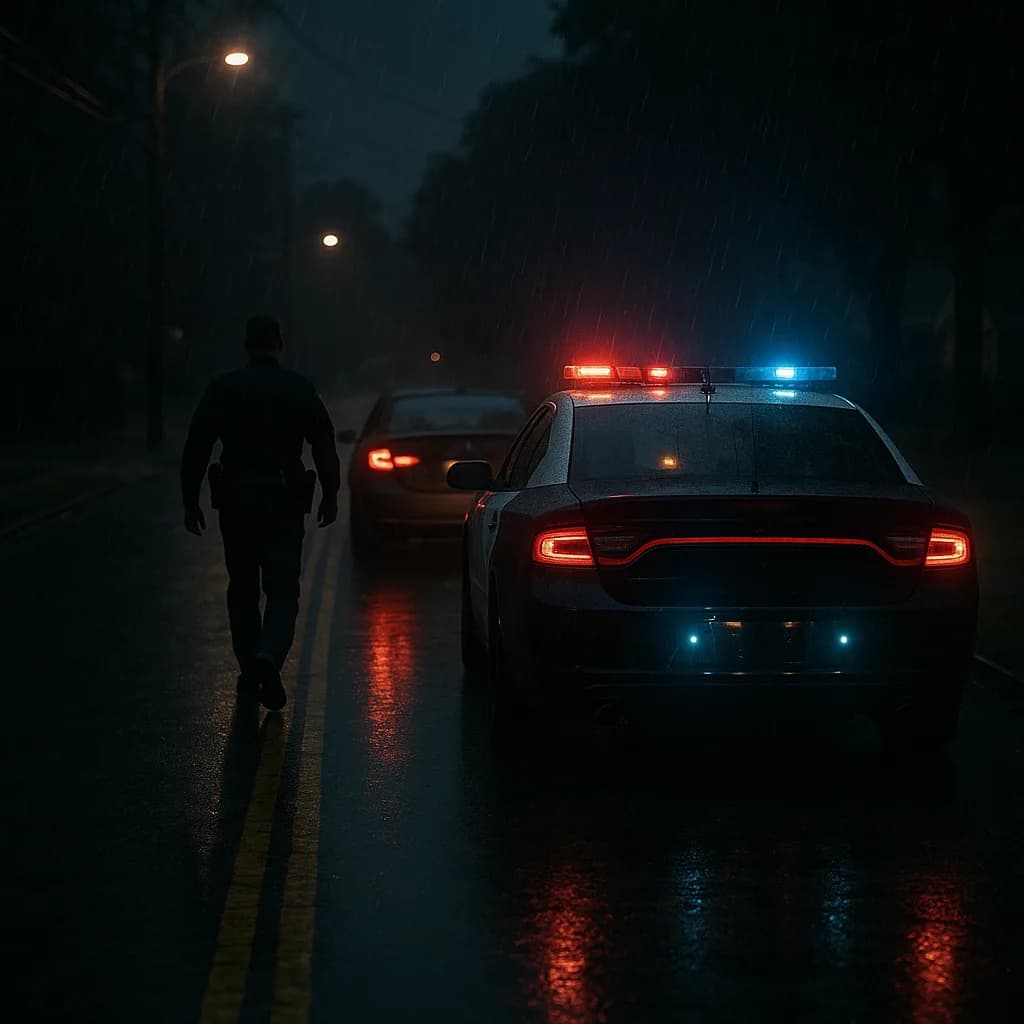
The notification triggers an automatic registration suspension. You receive a notice from PennDOT's Bureau of Driver Licensing stating that your registration is suspended effective 30 days from the lapse date, and you must surrender your plate and registration card. Driving during the suspension period is a summary offense: a fine, potential vehicle impoundment, and a three-month license suspension on top of the registration suspension. The enforcement is automated—PennDOT does not verify whether you actually drove the car uninsured, only that the registration was active while no valid policy was on file.
If the lapse lasted more than 30 days, PennDOT may require an SR-22—except Pennsylvania does not use SR-22 certificates. Instead, you provide one of six acceptable proofs: an insurance ID card, a policy declaration page, an Assigned Risk Plan application, a PennDOT self-insurance certificate, an insurance binder, or a signed letter from your carrier on company letterhead confirming coverage. The declaration page is the most common, but it must show the vehicle identification number, the policy effective date, and coverage that meets or exceeds state minimums.
Related Articles




How Multi-Vehicle Policies Interact with State Requirements
When you insure two or more vehicles on one Pennsylvania policy, each vehicle must carry the state-required minimums independently—the $15,000/$30,000/$5,000 liability limits and PIP apply per vehicle, not per policy. Adding a second car does not double your liability limit; it creates a second set of limits that apply when that vehicle is involved in a crash. The multi-car discount reduces your premium, but it does not pool coverage across vehicles.
The registration-enforcement rule applies to every vehicle on the policy. If your carrier cancels the policy for non-payment, PennDOT receives a lapse notification for every vehicle, and every registration suspends simultaneously. Reinstating one vehicle requires reinstating the entire policy—you cannot selectively restore coverage for a single car. This structure creates a procedural trap for households that stop driving one vehicle mid-term: if you cancel coverage on a garaged car to save money, PennDOT suspends that registration, and you must complete the restoration process even though the car never moved.
PA Registration Restoration Fee
The restoration fee applies per incident, not per vehicle. Restoring them separately triggers the fee multiple times.
PennDOT Bureau of Driver Licensing
Assigned Risk and High-Risk Coverage Pathways
Pennsylvania operates an Assigned Risk Plan for drivers who cannot obtain coverage in the voluntary market. The plan assigns you to a carrier that must write your policy at state-approved rates. Eligibility is automatic if three or more carriers decline to quote you, or if your current carrier non-renews your policy and you cannot find replacement coverage within 60 days. The plan covers liability and PIP only—no collision, no comprehensive, no uninsured-motorist unless you request it separately.
Assigned Risk premiums are higher than voluntary-market rates, but they're capped by the Pennsylvania Insurance Department's rate filings. The plan is not a permanent placement—once you complete a clean driving period, typically 12 months without a claim or violation, you can shop the voluntary market again. Carriers writing in Pennsylvania's non-standard tier—non-standard auto insurance specialists like Bristol West, Dairyland, and Direct Auto—often quote below Assigned Risk rates for the same driving record, and they offer collision and comprehensive that the plan does not.
Compare Carriers That Write Pennsylvania Multi-Vehicle Policies
Pennsylvania's mandatory first-party structure and registration-enforcement rules make carrier selection a structural decision, not just a price comparison. Some carriers write limited-tort policies with lower PIP limits to control premium; others default to full tort with higher limits and build the cost into the base rate.
Start by confirming which carriers write your household's vehicle count and driver profile. Erie, State Farm, and Nationwide write preferred-tier multi-vehicle policies for clean-record households. Geico, Progressive, and Allstate write standard-tier policies that accommodate one or two violations. Bristol West, Dairyland, and Direct Auto write non-standard policies for drivers with multiple violations or lapses. Request quotes that specify your tort election, your PIP limit, and whether uninsured-motorist coverage is included or rejected—those three variables drive more premium difference than the liability limits alone.