
Multi-Car Coverage Requirements — Pennsylvania
Free to compare
When Adding a Second Vehicle Reveals the PIP Reality
You added a second car to your Pennsylvania policy and the premium jumped more than you expected. The multi-car discount appeared, but so did a second Personal Injury Protection charge. You assumed PIP was a policy-level cost, not a per-vehicle cost. That assumption is wrong in Pennsylvania, and it changes how you structure coverage across multiple vehicles.
Pennsylvania mandates PIP on every registered vehicle unless you reject it in writing. That means a household with three cars pays for three PIP coverages, even when all three cars sit on one policy and share the multi-car discount. The state minimum liability limits — $15,000 per person, $30,000 per accident for bodily injury, and $5,000 for property damage — apply to each vehicle separately as well. Understanding how these requirements stack across multiple vehicles is the difference between accurate budgeting and surprise premium increases mid-term.
“Pennsylvania PIP is mandatory per vehicle. A three-car household pays for three separate PIP coverages unless all drivers sign rejection forms.”

Meet Pennsylvania's Requirements Without Overpaying
Get My Pennsylvania Car Insurance Quote$15,000/$30,000/$5,000
Pennsylvania Minimum Liability Per Vehicle
Pennsylvania requires $15,000 bodily injury per person, $30,000 per accident, and $5,000 property damage on every registered vehicle. These are per-vehicle minimums, not shared across a multi-car policy. A household with three cars needs three sets of these limits.
Pennsylvania Department of Transportation (PennDOT)
How Pennsylvania Minimum Coverage Applies Across Multiple Vehicles
Each vehicle on your policy must carry its own liability coverage at or above the state minimums. Pennsylvania does not pool liability limits across vehicles. If you own two cars, both need $15,000/$30,000/$5,000 liability minimums. If you own four cars, all four need those same minimums. The multi-car discount reduces the per-vehicle premium, but it does not reduce the per-vehicle coverage requirement.
Personal Injury Protection works the same way. Pennsylvania law requires PIP on every vehicle unless you reject it in writing using the state's rejection form. PIP pays medical expenses for you and your passengers regardless of fault, up to the limit you select. The default minimum is $5,000, but most carriers offer higher limits. Because PIP is mandatory per vehicle, a three-car household pays for three separate PIP coverages unless all three drivers sign rejection forms.
The multi-car discount applies to the premium, not the coverage structure. Carriers writing multi-vehicle policies in Pennsylvania reduce the per-car cost when you insure two or more vehicles on the same policy, but each vehicle still needs its own liability limits and its own PIP coverage. The discount typically requires every vehicle to be garaged at the same address and titled to members of the same household, though some carriers relax the garaging rule for college students or military members.

Pennsylvania PIP is mandatory per vehicle, not per policy. Adding a second car adds a second PIP charge even when both cars share the multi-car discount.
Related Articles

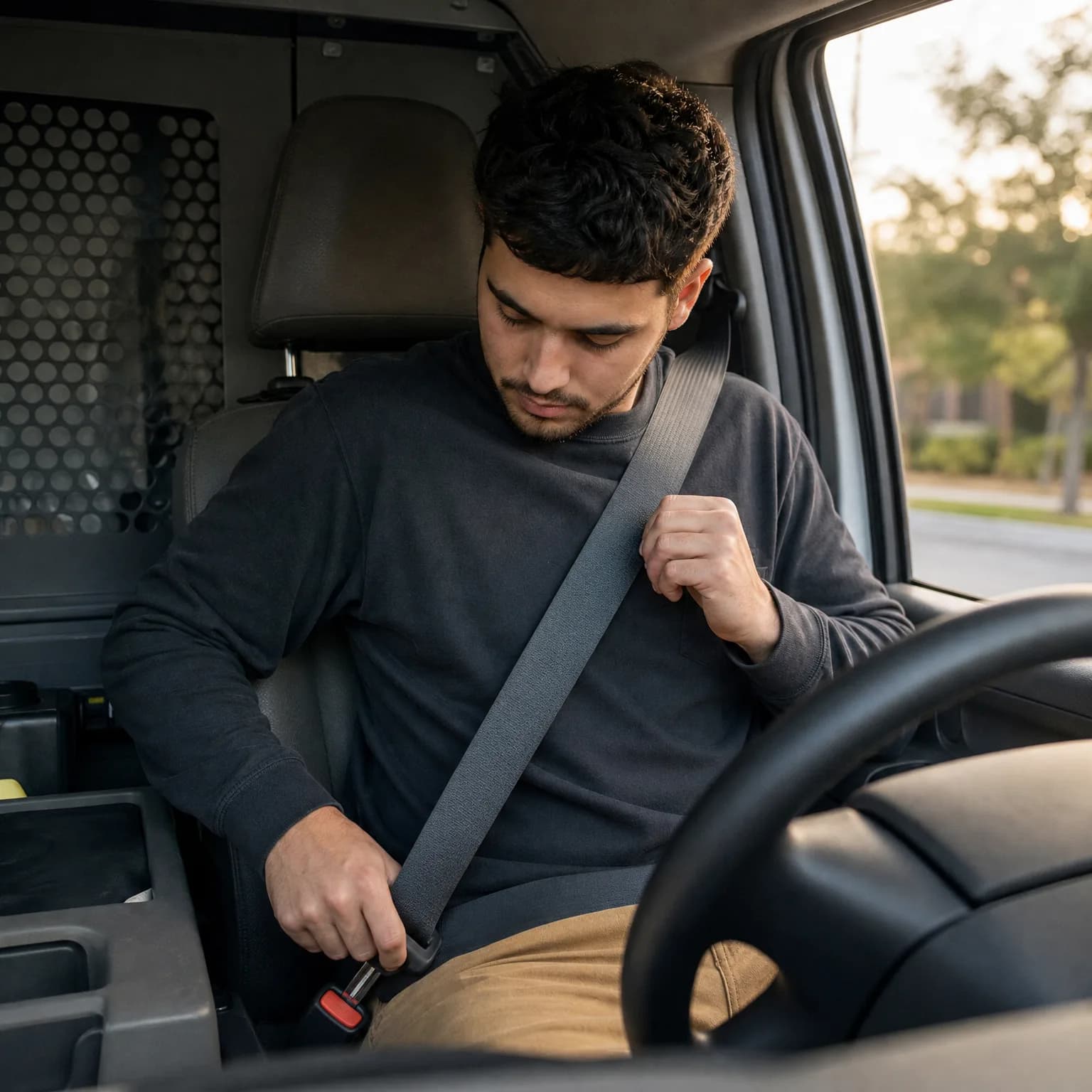

How Adding or Removing a Vehicle Re-Rates the Policy
Adding a vehicle mid-term re-rates the entire policy, not just the new car. Pennsylvania carriers recalculate the premium for all vehicles on the policy when you add or remove one, because the multi-car discount percentage changes with the vehicle count and because the new vehicle's risk profile affects the household rating tier. A household adding a third car may see the per-vehicle cost drop due to a larger multi-car discount, or rise if the new car is a high-theft model or driven by a young driver.
Removing a vehicle works the same way. If you sell one of three cars and drop it from the policy, the remaining two cars lose the three-car discount tier and move to the two-car tier. The per-vehicle premium typically rises even though the total policy premium falls. Carriers in Pennsylvania apply the discount at the policy level, not the vehicle level, so every change to the vehicle count triggers a full re-rate.
Most carriers provide a grace period for newly purchased vehicles — typically 14 to 30 days — during which the new car is automatically covered under your existing policy's liability and PIP limits. After that window, an unreported vehicle can be denied at claim time. The grace period does not mean the premium stays flat; the carrier will backdate the coverage and charge the additional premium from the purchase date once you report the vehicle. Report the new car within the grace window to avoid a coverage gap, and expect the policy to re-rate immediately.
27 carriers
Pennsylvania Multi-Car Carriers
At least 27 carriers write multi-vehicle policies in Pennsylvania, including Allstate, Geico, Progressive, State Farm, Erie, Nationwide, Travelers, Liberty Mutual, Farmers, and Hartford. Discount structures and same-policy requirements vary by carrier. Compare carriers that write your household's vehicle count and garaging situation.

Combining Two Policies After Marriage or a Move
When two people with separate auto policies marry or move in together, combining both policies onto one multi-car policy usually lowers the total premium, but not always. The combined policy gains the multi-car discount, but it also re-rates both drivers and all vehicles under one household rating tier. If one driver has a clean record and the other has a recent violation or a DUI, the combined policy may price higher than keeping two separate policies.
Pennsylvania carriers rate multi-car policies by the highest-risk driver in the household. A household with one driver who has a DUI and one who does not will see both vehicles rated at the higher-risk tier once combined. Some carriers allow you to exclude a high-risk driver from the policy entirely if that driver has their own separate policy or does not drive your vehicles, but exclusion rules vary by carrier and are not available from all writers in Pennsylvania. Compare the combined-policy quote against the sum of two separate policies before making the switch.
Whether a Teen's Car Belongs on the Family Policy
A teenager's car almost always belongs on the family policy in Pennsylvania, not on a separate policy in the teen's name. Carriers rate teen drivers as high-risk regardless of policy structure, but a teen on the family multi-car policy benefits from the household's multi-car discount and any other discounts the family policy carries, such as good-student or defensive-driver discounts. A standalone policy in the teen's name loses those discounts and typically prices higher.
The exception is when the teen owns the car outright, lives at a different address, and is financially independent. In that case, some carriers require the teen to carry their own policy. For a teen living at home and driving a car titled to a parent or to the teen with the parent as co-owner, the car must be listed on the family policy. Pennsylvania law does not allow a household member with regular access to a vehicle to remain uninsured or unlisted on the policy covering that vehicle. Carriers enforce this rule strictly; an unlisted teen driver can void coverage at claim time.

Compare Carriers That Write Your Household's Vehicle Count
Not all carriers writing in Pennsylvania offer the same multi-car discount structure or the same eligibility rules for vehicles garaged at different addresses. Allstate, Geico, Progressive, State Farm, Erie, and Nationwide all write multi-vehicle policies in Pennsylvania, but their discount percentages, same-policy requirements, and household-definition rules differ. A carrier that offers a larger discount on a higher base rate may cost more than a carrier with a smaller discount on a lower base rate. The only way to know is to compare quotes with your actual vehicle count, garaging addresses, and driver profiles entered.
Use the comparison tool to see which carriers write policies for your household's specific situation — whether that's two cars garaged at the same address, three cars with one garaged at a college dorm, or four cars with drivers of different ages and violation histories. Enter your vehicles, your drivers, and your coverage selections to see which carriers return quotes and how their multi-car discounts apply to your household. The state minimum liability limits are $15,000/$30,000/$5,000, and PIP is mandatory per vehicle unless rejected in writing. Start there and adjust coverage upward based on your household's assets and risk tolerance.
What Counts as One Policy for the Multi-Car Discount
A multi-car policy in Pennsylvania typically means all vehicles are listed on one auto insurance policy, garaged at the same address, and owned or regularly driven by members of the same household. The policy lists every vehicle by VIN, assigns each its own liability and PIP coverage, and applies the multi-car discount to the total premium. Carriers writing in Pennsylvania — including Allstate, Geico, Progressive, State Farm, Erie, Nationwide, and others — structure the discount this way, though the discount percentage and eligibility rules differ by carrier.
Some carriers allow a vehicle garaged at a different address to remain on the same policy if the driver is a household member temporarily living elsewhere, such as a college student or military member. Other carriers require the vehicle to be moved to a separate policy once the garaging address changes. A car titled to someone outside the household — a roommate, a parent living in a different state, or an adult child with their own residence — typically cannot be added to your policy and does not qualify for your multi-car discount. The same-policy requirement is structural, not just a discount rule.
Get Your Free Quote
Get My Pennsylvania Car Insurance QuoteFrequently Asked Questions
Does Pennsylvania require the same liability limits on every car in a multi-car policy?
Yes. Pennsylvania requires $15,000/$30,000/$5,000 liability minimums on every registered vehicle. These are per-vehicle minimums, not shared across a multi-car policy. A household with three cars needs three sets of these limits, though you can carry higher limits on individual vehicles if you choose.
Do I need separate PIP coverage for each car on my Pennsylvania policy?
Yes. Pennsylvania requires PIP on every vehicle unless you reject it in writing using the state's rejection form. A multi-car policy with three vehicles carries three separate PIP coverages. The multi-car discount reduces the per-vehicle premium but does not eliminate the per-vehicle PIP requirement.
Can I add my college student's car to my Pennsylvania policy if it's garaged at school?
Most carriers allow a college student's car to remain on the family policy even when garaged at school, as long as the student is a household member and the school address is disclosed to the carrier. Some carriers require the vehicle to be moved to a separate policy if the student establishes permanent residence out of state. Check with your carrier before the student moves.
What happens to my multi-car discount if I sell one of three cars?
Selling one of three cars drops you from the three-car discount tier to the two-car tier. The per-vehicle premium on the remaining two cars typically rises even though the total policy premium falls. The policy re-rates immediately when you remove the vehicle.
Can I keep two separate policies after marriage instead of combining them?
Yes. Pennsylvania does not require married couples to combine policies. Keeping two separate policies may cost less if one spouse has a recent violation or DUI and combining would rate both drivers at the higher-risk tier. Compare a combined-policy quote against the sum of two separate policies before deciding.
How long do I have to report a newly purchased car to my Pennsylvania insurer?
Most carriers provide a 14 to 30 day grace period during which a newly purchased car is automatically covered under your existing policy's liability and PIP limits. After that window, an unreported vehicle can be denied at claim time. Report the new car within the grace period to avoid a coverage gap.