
Multi-Car Insurance Discounts — Pennsylvania
Free to compare
When Adding a Vehicle Doesn't Trigger the Discount
You bought a second car for your household, added it to your Pennsylvania auto policy, and expected the multi-car discount to lower your combined premium. Instead, the discount didn't apply—or your total premium increased by more than you anticipated. The structural reality: most carriers require every vehicle to sit on the same policy, be titled or registered to a policyholder or household member listed on that policy, and share the same garaging address. A car titled to someone outside your household, garaged at a different address, or placed on a separate policy does not count toward the same-policy multi-vehicle discount, even if both vehicles belong to people in your household.
Pennsylvania does not mandate multi-car discounts by statute. Carriers set their own eligibility rules, and those rules hinge on policy structure—not just ownership. Understanding what qualifies a vehicle for the discount, how adding a car mid-term re-rates your entire policy, and which carriers write the most favorable multi-vehicle terms for Pennsylvania households determines whether combining policies saves money or costs more.
“A vehicle titled outside your policy or garaged elsewhere doesn't count toward the discount, even when both cars belong to your household.”

Meet Pennsylvania's Requirements Without Overpaying
Get My Pennsylvania Car Insurance Quote$15,000 / $30,000 / $5,000
Pennsylvania Minimum Liability
Pennsylvania requires $15,000 bodily injury per person, $30,000 per accident, and $5,000 property damage. Every vehicle on your policy must meet these minimums, and adding a vehicle mid-term re-rates the entire policy based on the new vehicle's risk profile and your household's combined exposure.
Pennsylvania Department of Transportation
What the Multi-Car Discount Actually Requires
The multi-car discount is not automatic when you own multiple vehicles. It applies when every vehicle sits on one policy, is titled or registered to a policyholder or listed household member, and is garaged at the same address. A second car titled to a roommate, an adult child living elsewhere, or a spouse who maintains a separate policy does not qualify, even if you share a household budget or both vehicles park in the same driveway.
Carriers verify garaging address through registration documents and policyholder declarations. A vehicle registered to a different address—even a college student's car garaged on campus during the semester—may be excluded from the multi-car discount unless the carrier's policy explicitly covers temporary student relocations. Pennsylvania does not regulate how carriers define 'household member' or 'garaging address,' so rules vary. Some carriers count any relative living at the same address; others require the vehicle owner to be a named insured or listed driver on the policy.
When you add a vehicle mid-term, the carrier re-rates the entire policy. The new premium reflects the combined risk of all vehicles, all listed drivers, and the multi-car discount if applicable. This is not a simple per-vehicle addition—it is a full re-underwriting. A second vehicle with a higher risk profile (newer model, higher theft rate, driven by a younger household member) can increase the total premium by more than the original per-car rate suggested, even with the discount applied.
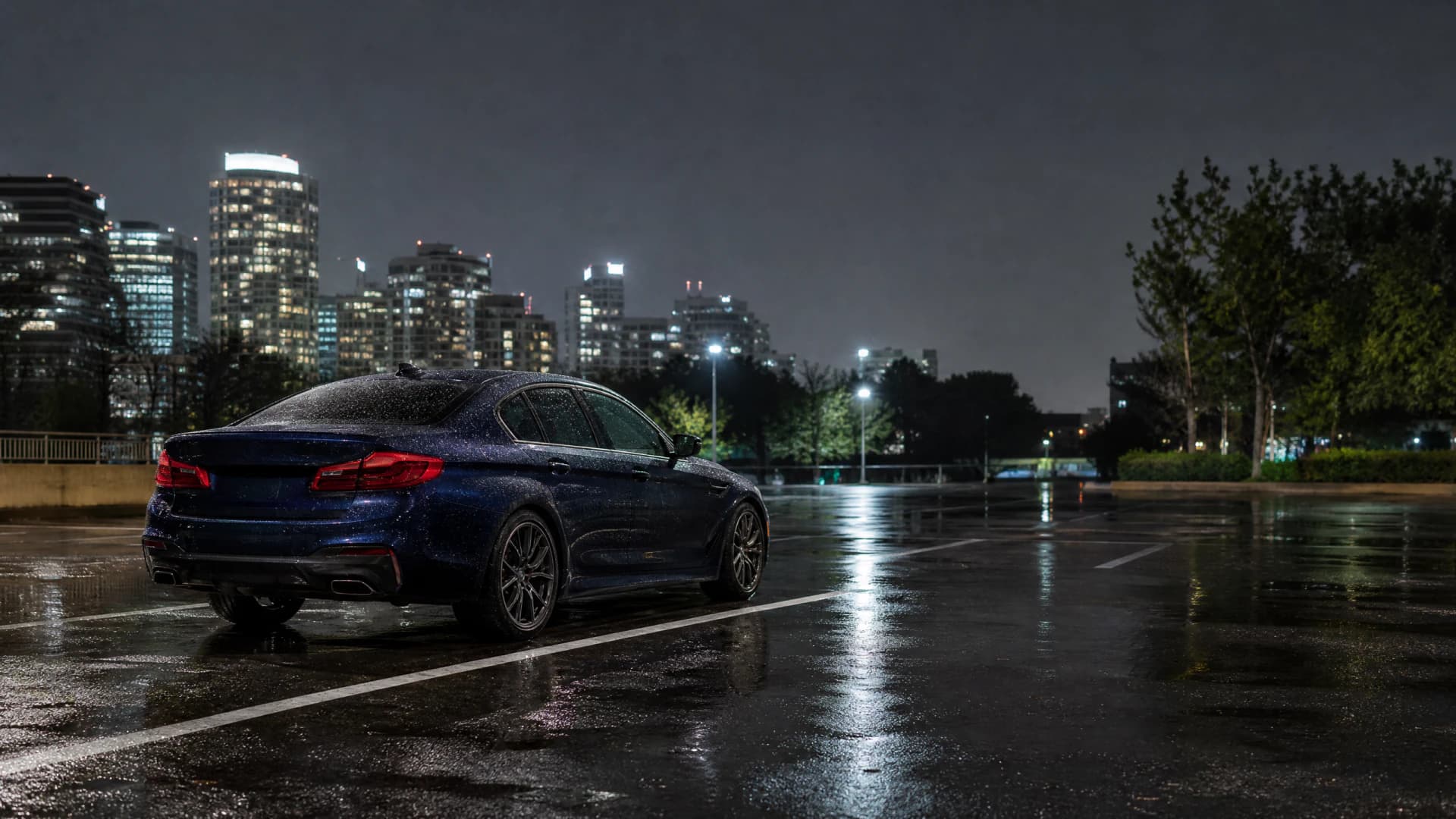
A vehicle titled to someone outside your policy or garaged at a different address does not count toward the same-policy multi-car discount, even when both vehicles belong to your household.
Related Articles



When Combining Policies Saves Money and When It Doesn't
Combining two separate policies into one multi-car policy usually lowers the total premium, but not always. The combined premium depends on the risk profile of every vehicle and every listed driver. A household combining a clean-record driver's policy with a high-risk driver's policy may see the clean-record vehicle's rate increase to reflect the shared household risk, even as the high-risk vehicle's rate decreases. The net result can be higher than keeping policies separate, especially when one driver has recent violations or a lapse in coverage.
Pennsylvania carriers re-rate the entire policy when you add a vehicle or combine policies. The new premium reflects the combined exposure: total vehicle value, combined annual mileage, all listed drivers' records, and the garaging location's theft and accident rates. A second vehicle garaged in a higher-risk ZIP code—Philadelphia, Pittsburgh, or another urban area with higher theft rates—can increase the total premium by more than the multi-car discount offsets. Pennsylvania's statewide motor vehicle theft rate was 191.5 per 100,000 population in 2024, but urban counties see significantly higher rates, and carriers price that risk into the combined policy.
When you combine policies after marriage, a move, or adding a household member, request quotes from multiple carriers. Some carriers offer better multi-vehicle terms for households with mixed risk profiles; others penalize the lower-risk vehicle more heavily. Erie, Geico, Progressive, and State Farm all write multi-car policies in Pennsylvania, and their underwriting models weight household risk differently. Comparing quotes before combining policies shows whether the multi-car discount actually lowers your total cost or whether keeping policies separate preserves a better rate for the lower-risk vehicle.
9,124,262
Pennsylvania Licensed Drivers
Pennsylvania had 9,124,262 licensed drivers in 2022, insuring 10,868,829 registered vehicles. Many households insure multiple vehicles on one policy, but the multi-car discount applies only when every vehicle meets the carrier's same-policy and garaging-address requirements.
Federal Highway Administration, 2022

Adding a Vehicle Mid-Term and How It Re-Rates Your Policy
Pennsylvania carriers provide a grace period when you buy a new vehicle—typically 14 to 30 days—during which the new car is covered under your existing policy's terms. You must report the vehicle to your carrier within that window to maintain coverage and apply the multi-car discount. Missing the grace period can result in a lapse in coverage for the new vehicle, denial of a claim if an accident occurs before you report it, or loss of the multi-car discount if the carrier treats the late-added vehicle as a separate policy addition rather than a mid-term change.
When you add a vehicle within the grace period, the carrier re-rates the entire policy effective the date you acquired the vehicle. The new premium reflects the combined risk of all vehicles and all listed drivers. If the new vehicle has a higher risk profile—a newer model with higher repair costs, a vehicle with a higher theft rate, or a car assigned to a younger or higher-risk driver—the total premium can increase by more than the original per-vehicle rate suggested. The multi-car discount applies to the new combined premium, but the discount percentage does not always offset the increased exposure.
Carriers calculate the multi-car discount as a percentage reduction on the total policy premium, not a per-vehicle deduction. A household adding a third vehicle may see a larger percentage discount than a household with two vehicles, but the total premium still reflects the combined risk. Pennsylvania does not regulate how carriers structure multi-vehicle discounts, so the percentage, the vehicle count threshold, and the eligibility rules vary. Request a revised quote before finalizing the vehicle addition to confirm the new total premium and verify that the multi-car discount applied as expected.
Compare Carriers That Write Multi-Car Policies in Pennsylvania
Pennsylvania households insuring multiple vehicles should compare carriers that write multi-car policies in the state and structure their discounts favorably for households with two or more vehicles. Carriers writing Pennsylvania auto insurance include Allstate, Erie, Geico, Nationwide, Progressive, and State Farm, among others. Each carrier sets its own multi-vehicle discount structure, garaging-address rules, and household-member definitions. A carrier that offers a larger discount for three vehicles may price the base premium higher; a carrier with a smaller discount may start with a lower base rate that results in a better total cost.
When comparing quotes, confirm that every vehicle qualifies for the same-policy discount under the carrier's rules. Provide accurate garaging addresses, vehicle registration details, and household member information. A quote that assumes all vehicles are garaged at the same address may not hold if one vehicle is registered elsewhere or garaged at a second location. Pennsylvania carriers verify garaging address and household composition at the time of binding, and discrepancies can result in a higher final premium or denial of the multi-car discount after the policy is issued.
How Carriers Structure Multi-Vehicle Eligibility
Most carriers require every vehicle to appear on the same policy declaration page, with each vehicle assigned to a listed driver. The discount applies to the total policy premium, not to individual vehicles. A household with three cars on one policy receives a percentage reduction on the combined premium; splitting those cars across two policies forfeits the discount on both. Carriers that write Pennsylvania auto insurance—including Allstate, Erie, Geico, Nationwide, Progressive, and State Farm—each set their own multi-vehicle discount structure, and those structures are not standardized. Some carriers apply a larger discount when three or more vehicles are insured; others cap the discount at two vehicles.
Garaging address is verified at the time you add a vehicle. If the new car is registered to a different address, the carrier may require proof that the vehicle is garaged at the policyholder's address overnight—a lease agreement, utility bill, or affidavit. A vehicle garaged elsewhere, even temporarily, may be excluded from the discount or require a separate policy. Pennsylvania does not mandate grace periods for address changes, so a move that splits your household's vehicles across two addresses can immediately disqualify the multi-car discount unless you update registration and policy records to reflect the new shared garaging location.
Get Your Free Quote
Get My Pennsylvania Car Insurance QuoteFrequently Asked Questions
Does Pennsylvania require carriers to offer a multi-car discount?
No. Pennsylvania does not mandate multi-car discounts by statute. Carriers set their own discount structures, eligibility rules, and percentage reductions. Most carriers writing Pennsylvania auto insurance offer multi-vehicle discounts, but the terms vary.
Can I get the multi-car discount if one vehicle is registered to a different address?
Typically no. Most carriers require every vehicle on the policy to be garaged at the same address listed on the policy declaration. A vehicle registered to a different address may be excluded from the discount or require proof that it is garaged at the policyholder's address overnight.
What happens if I add a vehicle mid-term to my Pennsylvania policy?
The carrier re-rates the entire policy effective the date you acquired the vehicle. The new premium reflects the combined risk of all vehicles and all listed drivers. You must report the vehicle within the carrier's grace period—typically 14 to 30 days—to maintain coverage and apply the multi-car discount.
Does combining two policies after marriage always lower the total premium?
Not always. The combined premium depends on the risk profile of every vehicle and every listed driver. A household combining a clean-record policy with a high-risk policy may see the clean-record vehicle's rate increase to reflect shared household risk, even as the high-risk vehicle's rate decreases.
Which Pennsylvania carriers offer the best multi-car discounts?
Carriers writing Pennsylvania multi-car policies include Allstate, Erie, Geico, Nationwide, Progressive, and State Farm. Each sets its own discount structure and base rates. A larger discount percentage does not always produce the lowest total premium—compare quotes from multiple carriers to find the best combined rate for your household.