
Lower Your Car Insurance Rate — Pennsylvania
Free to compare
Why Multi-Car Households Pay More Than They Should
You insure two, three, or four vehicles on one policy and your premium feels high. You know the multi-car discount exists, but your rate did not drop as much as you expected when you added the second or third car. The problem is usually not the discount itself — it is how your policy is structured, which vehicles qualify, and whether your carrier applies the discount to every car or only to specific vehicles on the policy.
Pennsylvania requires $15,000 bodily injury per person, $30,000 per accident, and $5,000 property damage, plus personal injury protection. Those minimums apply to every vehicle you own. When you add a car mid-term, your carrier re-rates the entire policy — not just the new vehicle — and the multi-car discount recalculates based on total vehicles, driver assignments, and garaging addresses. If any vehicle sits on a separate policy, or if a household member's car is titled outside the policy, the discount shrinks or disappears.
“A vehicle titled outside the household or garaged elsewhere may not qualify for your multi-car discount, even if you pay the premium.”

Meet Pennsylvania's Requirements Without Overpaying
Get My Pennsylvania Car Insurance Quote$1,170.31
Pennsylvania Annual Auto Expenditure Per Vehicle
Pennsylvania drivers spent an average of $1,170.31 per insured vehicle in 2023. Households with multiple cars on one policy typically pay less per vehicle than that figure, but only when the policy structure triggers the full multi-car discount.
NAIC Auto Insurance Database Report 2023
The Multi-Car Discount Requires One Policy for Every Vehicle
The multi-car discount applies when every vehicle you own sits on the same policy. If you and your spouse each carry a separate policy, or if a household member's car is on a different policy, the discount does not apply to those vehicles. Combining two policies into one triggers the discount, but only if both policies are with the same carrier or if you move both to a new carrier that writes multi-car policies.
Pennsylvania carriers calculate the discount differently. Some apply a percentage reduction to the second and third vehicles. Others reduce the base rate for every car once you hit two vehicles. A few carriers apply the discount only to liability coverage, not to collision or comprehensive. When you add a vehicle mid-term, the carrier re-rates the policy immediately — the discount recalculates, driver assignments shift, and the premium adjusts. That adjustment can increase your total premium even with the discount in place, because the new vehicle's own premium and the re-rating of existing vehicles can outweigh the discount's reduction.
If a vehicle is titled to someone outside your household, most carriers will not add it to your policy. If a car is garaged at a different address — a college student's vehicle at school, or a second home's car — some carriers require a separate policy for that vehicle. Check your carrier's same-policy and same-address requirements before assuming every household vehicle qualifies for the discount.
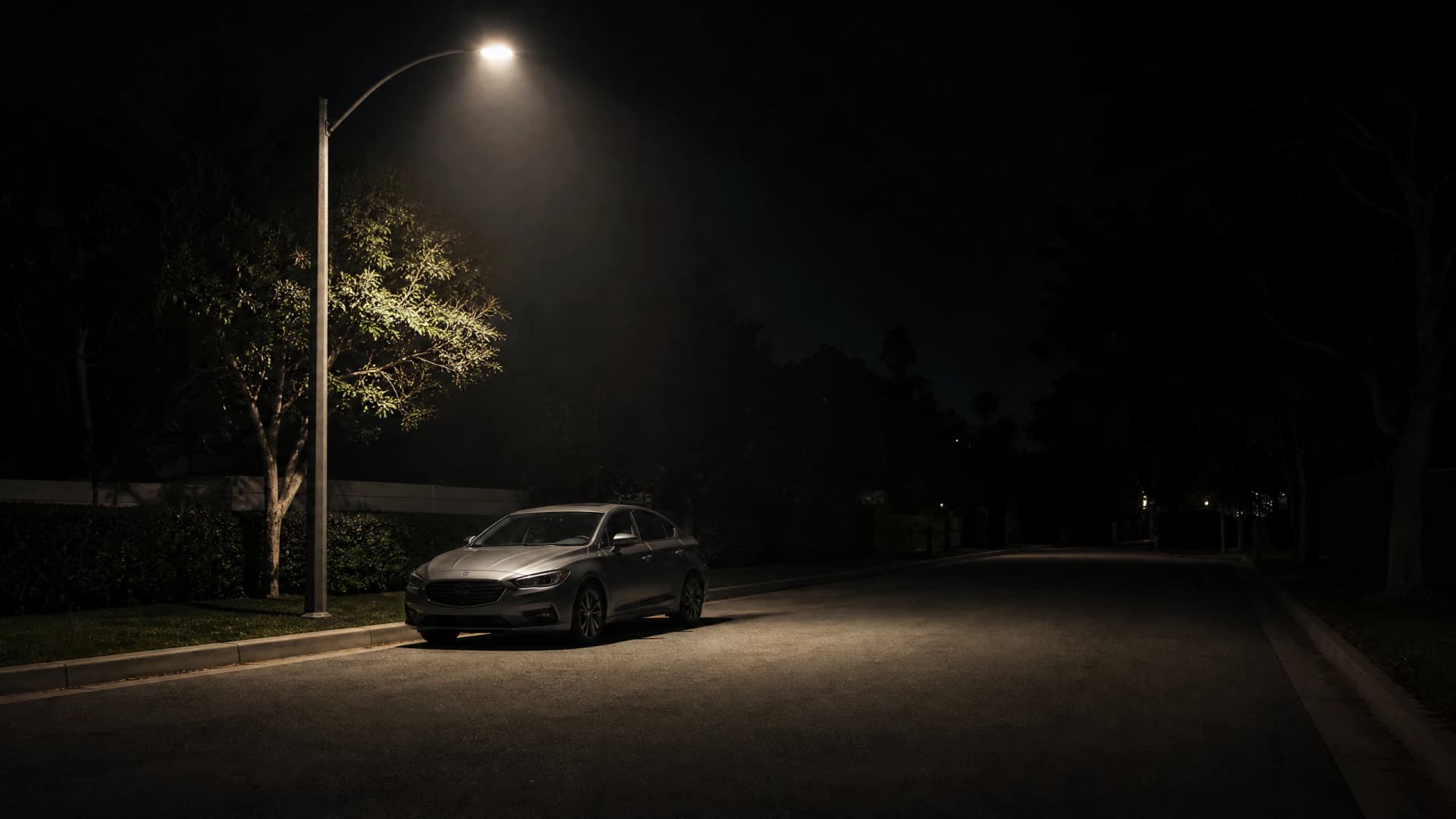
A vehicle titled to someone outside the household or garaged at a different address may not qualify for your multi-car discount, even if you pay for the insurance.




Coverage Adjustments That Cut Your Premium Without Dropping Protection
Raising your deductible from $500 to $1,000 on collision and comprehensive lowers your premium immediately. The trade-off: you pay more out of pocket if you file a claim. If your vehicles are older and their value is low, dropping collision and comprehensive entirely removes those premiums. Pennsylvania does not require collision or comprehensive coverage — only liability and personal injury protection. If a vehicle is worth less than ten times your annual collision and comprehensive premium, the coverage costs more over time than the vehicle's value.
Dropping personal injury protection or uninsured motorist coverage is not an option in Pennsylvania — PIP is mandatory. You can adjust PIP limits and deductibles within the ranges your carrier offers, but you cannot remove it. If you own assets worth protecting, lowering liability limits to save premium can expose you to a lawsuit that costs far more than the premium you saved.
Some carriers offer usage-based programs that lower your premium if you drive fewer miles or demonstrate safe driving habits through a telematics device or app. If your household's vehicles sit unused most of the week, or if one car is driven only occasionally, ask your carrier whether a low-mileage discount or usage-based program applies. Bundling your auto policy with homeowners or renters insurance often triggers a multi-policy discount separate from the multi-car discount — both can apply simultaneously.
11%
Pennsylvania Uninsured Motorist Rate
Eleven percent of Pennsylvania drivers are uninsured. Uninsured motorist coverage is optional in Pennsylvania, but it protects you when an at-fault driver has no insurance. Dropping it saves premium but increases your financial exposure if you are hit by an uninsured driver.
Insurance Information Institute, 2023
When Switching Carriers Saves More Than Adjusting Your Current Policy
Carriers price multi-car policies differently. One carrier's multi-car discount and base rate combination can produce a lower total premium than another carrier's larger discount on a higher base rate. If you have not compared carriers in the past two years, your current premium may be higher than what you would pay elsewhere for identical coverage. Pennsylvania has 28 carriers writing auto insurance in the state, and many specialize in multi-car households.
When you compare carriers, provide identical coverage limits, deductibles, and driver information to every carrier. A quote that looks lower but carries higher deductibles or lower liability limits is not a true comparison. Ask each carrier how their multi-car discount applies, whether they require all vehicles to be garaged at the same address, and whether they offer usage-based or low-mileage programs. Carriers that write non-standard or high-risk policies — such as Bristol West, Dairyland, Direct Auto, GAINSCO, Infinity, Kemper, and The General — may offer lower premiums if your household includes a driver with points, a violation, or a lapse in coverage, but their base rates for clean-record drivers are often higher than standard carriers.
Compare Carriers That Write Multi-Car Policies in Pennsylvania
Pennsylvania's multi-car discount mechanics and carrier-specific policy structures mean the lowest premium comes from comparing actual quotes, not from guessing which carrier offers the best discount. Carriers that write multi-car policies in Pennsylvania include Allstate, Erie, Farmers, Geico, Nationwide, Progressive, State Farm, and Travelers. Non-standard carriers such as Bristol West, Dairyland, Direct Auto, and The General also write multi-car policies but typically serve households with higher-risk drivers.
Get quotes from at least three carriers, provide identical coverage details to each, and confirm the multi-car discount applies to every vehicle on the policy. The carrier with the lowest total premium for your household's specific vehicles, drivers, and coverage needs is the one that saves you the most. Compare those quotes, confirm the discount structure, and switch if the savings justify the effort.
How to Structure Your Policy to Maximize the Discount
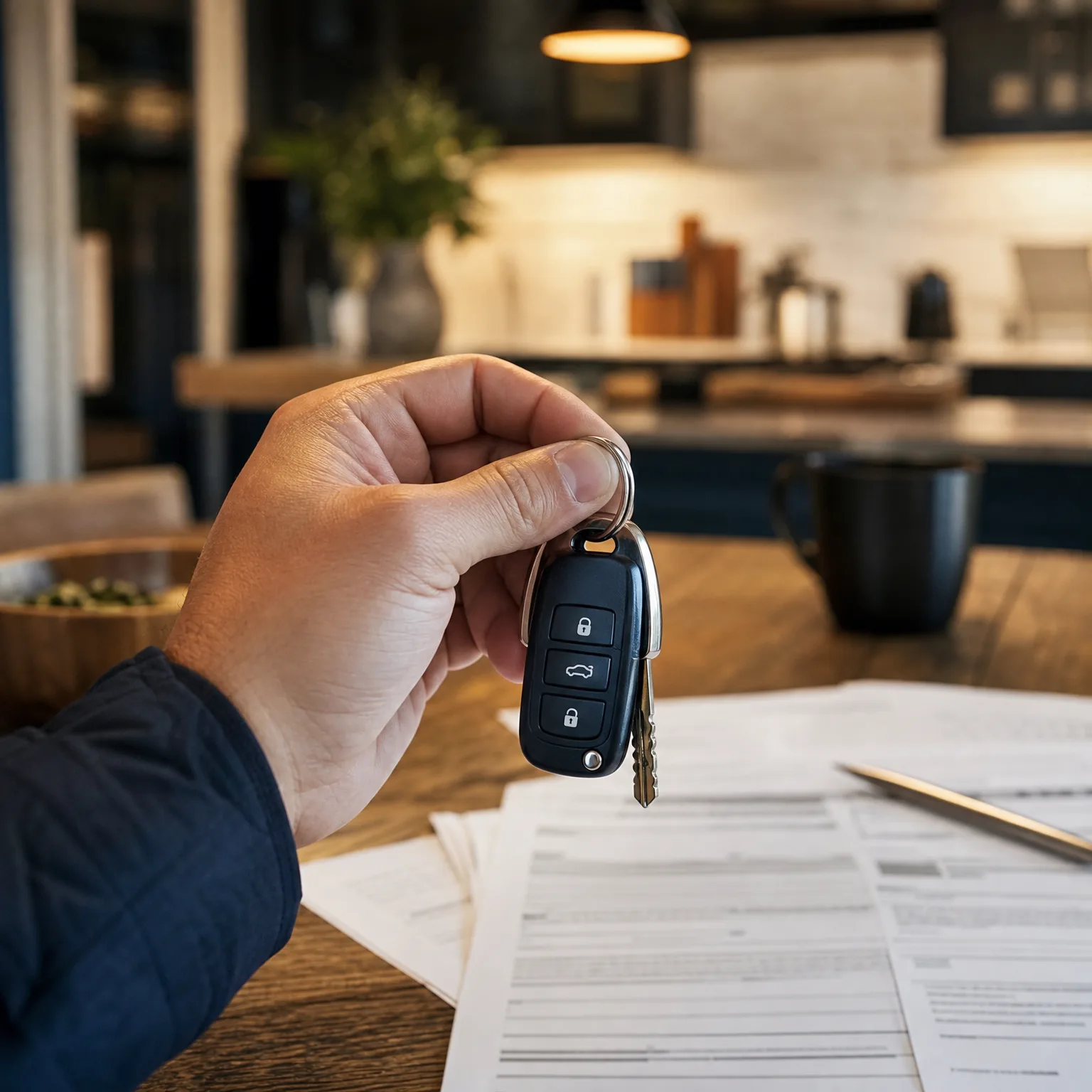
Contact your current carrier and confirm every vehicle you own is listed on the same policy. If a household member has a separate policy with the same carrier, ask whether combining the policies into one triggers a larger multi-car discount. If your spouse or adult child carries a policy with a different carrier, get a quote from a carrier that writes multi-car policies for your combined household and compare the total premium to what you pay now across both policies. Carriers that write multi-car policies in Pennsylvania include Allstate, Erie, Farmers, Geico, Nationwide, Progressive, State Farm, and Travelers.
When you combine policies or add a vehicle, ask the carrier how the discount applies: does it reduce the premium for every car, or only for the second and later vehicles? Does it apply to liability only, or to collision and comprehensive as well? Confirm the discount amount in dollars, not just as a percentage, because a percentage applied to a higher base rate can produce a smaller actual reduction than a percentage applied to a lower base rate. If the combined premium is higher than your current total, the discount exists but the base rate or driver assignments are working against you — ask the carrier to walk through the rating factors and identify what is driving the increase.
Get Your Free Quote
Get My Pennsylvania Car Insurance QuoteFrequently Asked Questions
Does the multi-car discount apply to every vehicle on my policy?
Most Pennsylvania carriers apply the multi-car discount to the second and later vehicles on the policy, not to the first. Some carriers reduce the base rate for every vehicle once you insure two or more cars. Ask your carrier how the discount applies to your specific policy.
Can I get the multi-car discount if my spouse has a separate policy?
No. The multi-car discount requires every vehicle to sit on the same policy. If you and your spouse each carry a separate policy, combine them into one policy with the same carrier to trigger the discount.
What happens to my premium when I add a vehicle mid-term?
Your carrier re-rates the entire policy immediately. The new vehicle's premium is added, driver assignments shift, and the multi-car discount recalculates. Your total premium can increase even with the discount in place, because the new vehicle's cost and the re-rating of existing vehicles can outweigh the discount's reduction.
Should I drop collision and comprehensive to lower my premium?
If your vehicle is worth less than ten times your annual collision and comprehensive premium, dropping those coverages saves money over time. Pennsylvania does not require collision or comprehensive — only liability and personal injury protection. If your car is older and low in value, removing those coverages cuts your premium without violating state law.
How do I know if switching carriers will save me money?
Get quotes from at least three carriers, provide identical coverage limits and deductibles to each, and compare the total premium for your household's vehicles and drivers. The carrier with the lowest total premium for your specific situation is the one that saves you the most.
Does bundling home and auto insurance stack with the multi-car discount?
Yes. Most Pennsylvania carriers allow you to combine a multi-policy discount for bundling home and auto with the multi-car discount for insuring multiple vehicles. Both discounts apply simultaneously and reduce your total premium.