
Auto Insurance Rates — Pennsylvania
Free to compare
Pennsylvania Multi-Car Coverage Reality
You own two or three cars, you need to insure all of them in Pennsylvania, and you want to know whether putting them on one policy saves money or costs more. The multi-car discount exists, but it applies to the policy as a whole—not to each vehicle separately—and Pennsylvania's state minimum liability limits ($15,000 bodily injury per person, $30,000 per accident, $5,000 property damage) create a structural problem when you multiply them across multiple vehicles.
Pennsylvania also mandates personal injury protection (PIP), but does not require uninsured motorist coverage. With 11% of Pennsylvania motorists driving uninsured, households with multiple vehicles face higher exposure when an uninsured driver hits one of your cars. The multi-car discount lowers your premium, but it does not change the fact that Pennsylvania's minimums leave you underinsured the moment a serious collision involves more than one vehicle or more than one injured person.
“The multi-car discount applies to the policy, not to each vehicle—every car must sit on the same policy to qualify.”

Meet Pennsylvania's Requirements Without Overpaying
Get My Pennsylvania Car Insurance Quote$15,000/$30,000/$5,000
Pennsylvania Minimum Liability Limits
Pennsylvania requires $15,000 bodily injury per person, $30,000 per accident, and $5,000 property damage. These are among the lowest minimums in the country and have not changed in decades, while medical costs and vehicle repair costs have risen substantially.
Pennsylvania Department of Transportation
The Multi-Car Discount Applies to the Policy, Not Each Vehicle
The multi-car discount is not a per-vehicle savings. It is a policy-level discount that applies when you insure two or more vehicles on the same policy with the same carrier. Most carriers require every vehicle to be garaged at the same address and titled to a household member on the policy. A car titled to someone outside your household, or a vehicle garaged at a different address, typically does not qualify.
When you add a second or third vehicle to an existing policy, the carrier re-rates the entire policy—it does not simply add a flat amount for the new car. The multi-car discount then applies to the combined premium. A smaller discount on a lower base rate can beat a larger discount on a higher one, which is why comparing carriers that write multi-vehicle policies in Pennsylvania matters more than assuming your current carrier offers the best structure.
Pennsylvania has 26 carriers writing auto insurance statewide, including State Farm, Geico, Progressive, Allstate, Erie, Nationwide, and others. Not every carrier structures the multi-car discount the same way. Some apply it as a percentage reduction; others build it into the base rate. The only way to know which structure works better for your household is to compare quotes with every vehicle included on the same policy.
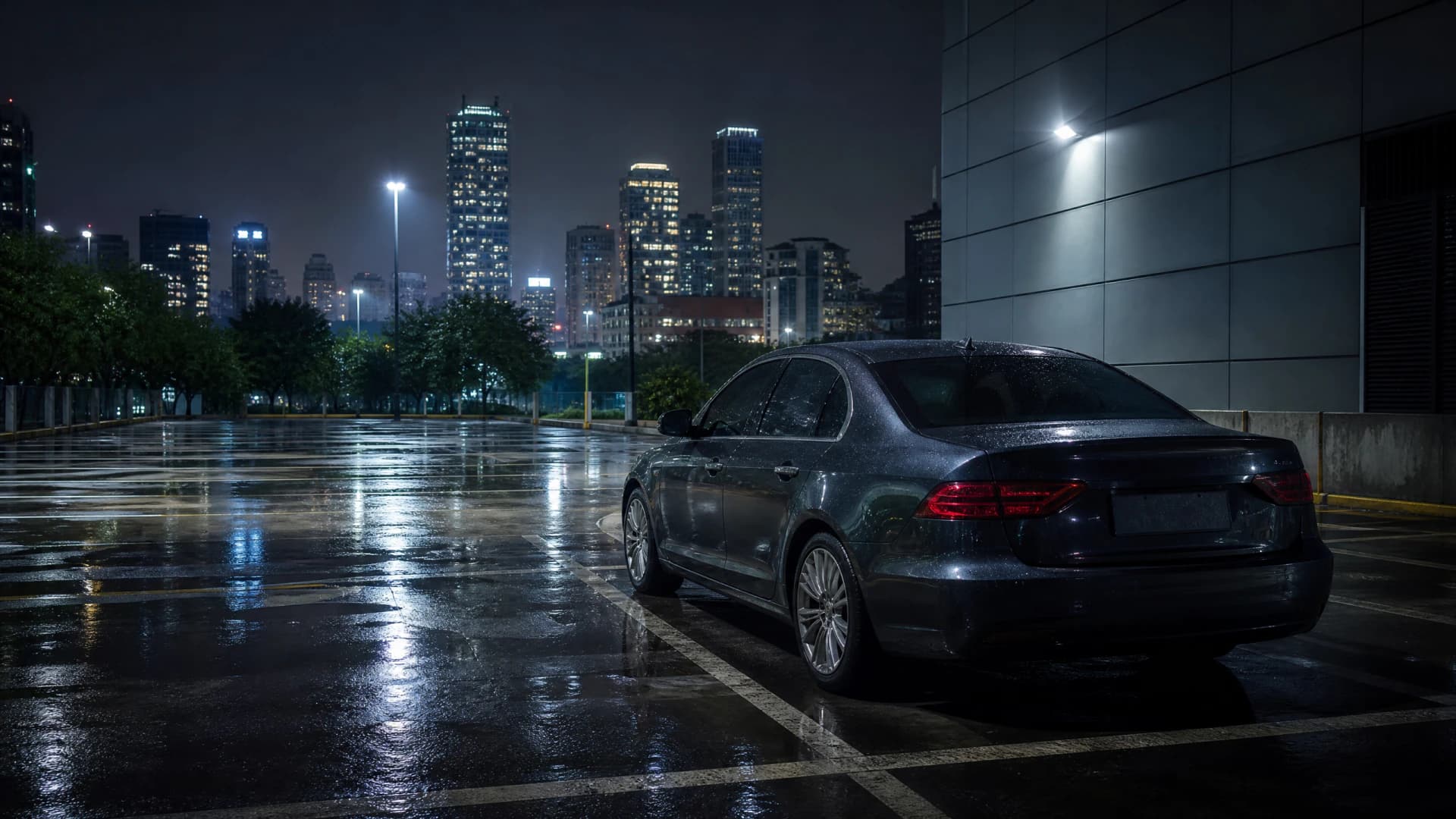
A vehicle titled to a household member on a separate policy does not count toward the multi-car discount—every car must sit on the same policy to qualify.
Related Articles


Pennsylvania Minimum Limits Do Not Scale Well Across Multiple Vehicles
Pennsylvania's $15,000 per person bodily injury limit means that if you cause an accident that injures two people, your policy pays a maximum of $30,000 total—$15,000 per person. If medical bills for one injured person exceed $15,000, you pay the difference out of pocket. If you injure three people, your policy still caps at $30,000 total, and you are personally liable for the rest.
The $5,000 property damage limit does not cover the cost of totaling a newer vehicle. The average vehicle on the road in 2024 is worth substantially more than $5,000. If you cause an accident that totals another driver's car, your policy pays $5,000, and you are sued for the difference. Households with multiple vehicles face higher exposure because the probability of causing a serious accident scales with the number of vehicles and drivers on the policy.
The multi-car discount applies to the higher limits the same way it applies to the minimums. Comparing carriers at higher limits often reveals that the premium difference between minimum coverage and adequate coverage is smaller than you expect, especially when the multi-car discount is factored in.
11%
Pennsylvania Uninsured Motorist Rate
Eleven percent of Pennsylvania motorists drive without insurance. Pennsylvania does not require uninsured motorist coverage, but adding it protects you when an uninsured driver hits one of your vehicles. The coverage is typically inexpensive when added to a multi-car policy.
Insurance Research Council, 2023
Combining Policies After Marriage or a Household Change
When two people with separate auto policies move in together or get married, combining both policies onto one carrier usually lowers the combined premium, but not always. If one person carries a clean driving record and the other has a recent violation, the combined policy rates both drivers together, and the higher-risk driver raises the premium for both. Some carriers offer a named-driver exclusion that removes the higher-risk driver from coverage, but that means the excluded driver cannot drive any vehicle on the policy—ever.
Pennsylvania allows each household to structure coverage however it wants. You can keep two separate policies, combine everything onto one policy, or insure some vehicles on one policy and others on a second. The multi-car discount only applies when multiple vehicles sit on the same policy with the same carrier. Keeping separate policies means you lose the discount, but it can make sense when one driver's record is significantly worse than the other's and combining policies raises the total premium more than the discount saves.
Compare Carriers With Every Vehicle Included
The only way to know which carrier offers the best structure for your household is to compare quotes with every vehicle, every driver, and the same coverage limits across all carriers. Pennsylvania has 26 carriers writing auto insurance statewide. State Farm, Erie, and Nationwide write preferred-tier policies for households with clean records. Geico, Progressive, and Allstate write standard-tier policies that accommodate minor violations. Bristol West, Dairyland, and Direct Auto write non-standard policies for higher-risk households.
Add collision and comprehensive coverage on financed or leased vehicles, and consider it on owned vehicles worth more than a few thousand dollars. The multi-car discount applies to the total premium, so the carrier with the lowest base rate and the best discount structure wins, not the carrier with the flashiest advertising.
How Adding a Vehicle Re-Rates the Policy
The re-rating process recalculates your premium based on the combined risk of all vehicles, all drivers, and the coverage limits you carry. If you add a newer vehicle with a loan, your lender will require collision and comprehensive coverage on that car, which raises the policy premium. If you add an older vehicle you plan to insure with liability only, the increase is smaller, but the carrier still re-rates the policy to account for the additional exposure.
Most carriers give you a grace period—typically 14 to 30 days—to report a newly purchased vehicle. During that window, the new car is covered under your existing policy at the same coverage levels as your other vehicles. If you do not report the vehicle within the grace period, the carrier can deny a claim on the unreported car. The grace period does not extend your premium due date; you owe the re-rated premium from the date you acquired the vehicle, not from the date you reported it.
Get Your Free Quote
Get My Pennsylvania Car Insurance QuoteFrequently Asked Questions
Does Pennsylvania require the same coverage on every vehicle on a multi-car policy?
No. Pennsylvania allows you to carry different coverage levels on each vehicle. You can insure one car with liability only and another with full coverage, as long as both sit on the same policy. Lenders require collision and comprehensive on financed vehicles, but you choose the coverage on owned cars.
Can I add a vehicle titled to someone outside my household to my policy?
Most carriers require every vehicle on the policy to be titled to a household member listed on the policy and garaged at the same address. A car titled to someone outside your household typically does not qualify for the multi-car discount and may not be eligible for coverage on your policy at all.
How long do I have to report a newly purchased vehicle to my carrier?
Most Pennsylvania carriers give you 14 to 30 days to report a newly purchased vehicle. During that grace period, the new car is covered under your existing policy at the same coverage levels as your other vehicles. If you miss the window, the carrier can deny a claim on the unreported car.
Does combining two separate policies after marriage always save money?
Not always. Combining policies usually lowers the total premium because of the multi-car discount, but if one person has a recent violation or accident, the combined policy rates both drivers together, and the higher-risk driver can raise the premium more than the discount saves.
What happens if I cause an accident that exceeds Pennsylvania's minimum liability limits?
You are personally liable for the difference. Pennsylvania's $15,000 per person bodily injury limit and $5,000 property damage limit do not cover serious collisions. If you injure someone whose medical bills exceed $15,000, or total a vehicle worth more than $5,000, you pay the rest out of pocket or face a lawsuit.
Can I insure some vehicles on one policy and others on a second policy?
Yes. Pennsylvania allows you to structure coverage however you want. The multi-car discount only applies when multiple vehicles sit on the same policy with the same carrier, so splitting vehicles across two policies means you lose the discount on both.
Is uninsured motorist coverage required in Pennsylvania?
No. Pennsylvania does not require uninsured motorist coverage, but 11% of Pennsylvania motorists drive without insurance. Adding uninsured motorist coverage protects you when an uninsured driver hits one of your vehicles, and it is typically inexpensive when added to a multi-car policy.