
Multi-Car Insurance for Senior Drivers — Pennsylvania
Free to compare
You Own Two Cars and Just Turned 65
You turned 65, your license renewal notice arrived offering a two-year cycle instead of the standard four, and you're managing two vehicles on one policy. You assumed your age would lower your premium automatically. Instead, your carrier quoted a rate higher than expected, and you cannot tell whether the multi-car discount is working or whether your age is helping at all.
The structural reality: Pennsylvania's senior renewal rules affect your license cycle, not your insurance premium directly. The multi-car discount requires every vehicle you insure to sit on the same policy, and that requirement overrides most age-based adjustments. If a household member holds a separate policy for their car, your multi-car discount disappears even though you're managing multiple vehicles under the same roof.
“The multi-car discount applies only when every vehicle you insure sits on one policy—if a household member holds a separate policy, the discount disappears.”

Meet Pennsylvania's Requirements Without Overpaying
Get My Pennsylvania Car Insurance Quote9,124,262
Pennsylvania Licensed Drivers
Pennsylvania's driver population includes 9.1 million licensed drivers managing 10.9 million registered vehicles across the state. Senior drivers represent a significant portion of that population, and many manage multiple vehicles within a single household.
Pennsylvania Department of Transportation, 2022
The Same-Policy Requirement Blocks Age Discounts
Most carriers advertise senior driver discounts and multi-car discounts as separate benefits. What they don't explain: the multi-car discount applies only when every vehicle you insure sits on one policy. If your spouse maintains a separate policy for their car, or if an adult child living at your address holds their own policy, your household loses the multi-car discount entirely.
Pennsylvania does not mandate a specific multi-car discount structure. Carriers set their own rules. Some require all vehicles to be garaged at the same address. Others require all drivers in the household to be listed on the same policy, even if they drive different cars. A few carriers allow separate policies within a household but calculate the discount differently.
The age-based discount typically applies to your individual driver profile, not to the policy as a whole. When you combine two vehicles on one policy, the multi-car discount reduces the total premium by a percentage. The senior discount reduces your portion of the premium. If the multi-car discount is larger, you see that savings. If the senior discount is larger, you see that one instead. You do not get both applied at full value.
This creates a structural problem for households where one spouse is 65 or older and the other is younger. The younger spouse's driving record and age may increase the policy's base rate enough to erase the senior discount. Splitting the vehicles onto separate policies removes the multi-car discount but may lower the combined total if each policy qualifies for its own age-based adjustment.
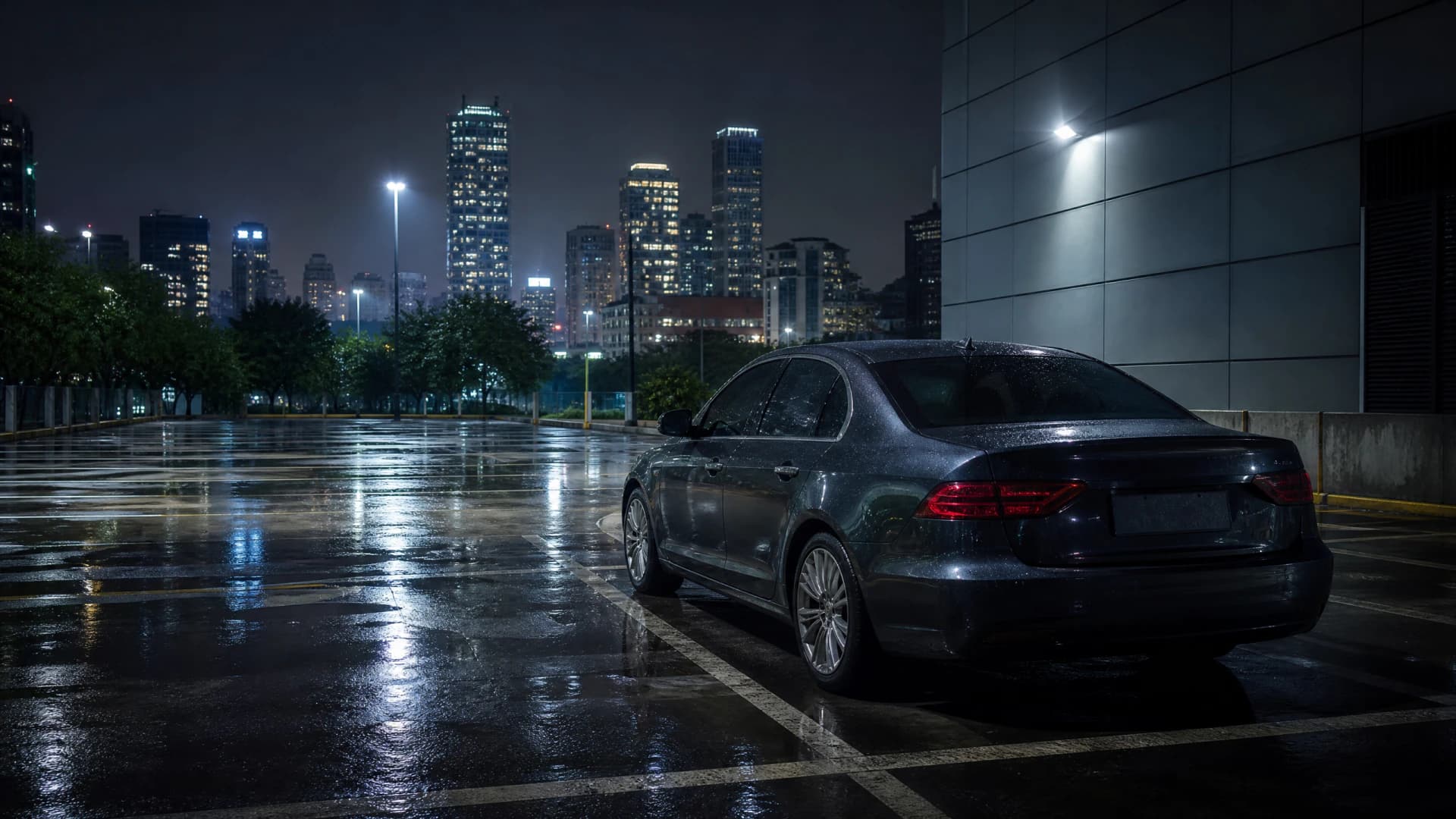
If a household member holds a separate policy for their vehicle, your multi-car discount disappears even though you're managing multiple vehicles under the same roof.
Related Articles





How Adding a Third Vehicle Changes the Discount
The multi-car discount increases with each vehicle you add, but not proportionally. Most carriers cap the discount at three or four vehicles. Adding a fifth car to your policy may not lower your per-vehicle rate any further. Some carriers apply the discount as a percentage of the total premium. Others apply a flat dollar amount per vehicle after the first. A percentage-based discount grows as your premium grows. A flat-dollar discount stays the same regardless of your coverage selections.
Pennsylvania does not regulate how carriers structure multi-car discounts. A carrier offering a 20-percent discount on a high base rate may cost more than a carrier offering a 10-percent discount on a lower base rate. You cannot evaluate the discount in isolation. You must compare the total premium after the discount is applied.
If you own three vehicles and one is rarely driven, some carriers allow you to reduce coverage on that vehicle to liability-only or exclude it from the policy entirely. Excluding a vehicle removes it from the multi-car discount calculation. If the discount on two vehicles is larger than the cost of insuring the third vehicle at minimum coverage, excluding it saves money. If the discount on three vehicles is larger, keeping all three on the policy costs less.
$15,000 / $30,000 / $5,000
Pennsylvania Minimum Liability Limits
Pennsylvania requires $15,000 bodily injury per person, $30,000 bodily injury per accident, and $5,000 property damage coverage for every registered vehicle. These minimums apply to each car on your policy, not to the household total.
Pennsylvania Department of Transportation
When Splitting Policies Costs Less Than Combining Them
If you and your spouse each own a car and one of you has a clean driving record while the other has points or a recent claim, splitting the vehicles onto separate policies may lower your combined premium. The driver with the clean record qualifies for a lower base rate. The driver with points pays a higher rate but only for their own vehicle. When both vehicles sit on one policy, the carrier rates the policy based on the highest-risk driver in the household.
Pennsylvania allows carriers to rate policies based on household composition. If an adult child lives at your address and holds their own policy, some carriers require you to list them as an excluded driver on your policy. Other carriers allow them to remain on their own policy without affecting yours. A few carriers require all household members to be listed on one policy regardless of who owns which vehicle. This rule varies by carrier and is not published on most carrier websites. You discover it only when you request a quote or add a vehicle mid-term.
Compare Carriers That Write Multi-Car Policies in Pennsylvania
Pennsylvania's carrier roster includes 30 insurers writing auto policies in the state. Not all of them offer multi-car discounts. Not all of them write policies for senior drivers without surcharges. Pennsylvania's minimum coverage requirements apply to every carrier, but discount structures and household-composition rules vary widely. State Farm, Erie, Allstate, and Nationwide write multi-car policies for senior drivers in Pennsylvania. Progressive and Geico write multi-car policies but rate them differently based on household size and driver ages. Compare total premiums after discounts are applied, not discount percentages in isolation. A carrier advertising a large multi-car discount may still cost more than a carrier with a smaller discount and a lower base rate.
What Pennsylvania Requires for Every Vehicle
Pennsylvania requires $15,000 bodily injury coverage per person, $30,000 bodily injury coverage per accident, and $5,000 property damage coverage. The state also mandates personal injury protection coverage for every policy. These minimums apply to each vehicle on your policy, not to the policy as a whole. Adding a second or third vehicle does not change the per-vehicle requirement, but it does re-rate your entire policy.
When you add a vehicle mid-term, your carrier recalculates your premium for the remainder of the policy period. The multi-car discount applies only after the second vehicle is added. If you're quoted a rate for one car and then add a second, the discount appears on your next billing statement, not retroactively. Some carriers require you to request the discount explicitly. Others apply it automatically but only if both vehicles are titled to the same person or listed on the same policy declaration page.
Get Your Free Quote
Get My Pennsylvania Car Insurance QuoteFrequently Asked Questions
Does Pennsylvania require senior drivers to renew their license more frequently?
At age 65, Pennsylvania offers an optional two-year renewal cycle instead of the standard four-year cycle. The two-year cycle is optional, not mandatory. No vision test is required at 65, and mail or online renewal is permitted. Your insurance premium is not directly affected by your renewal cycle.
Can I get both a senior discount and a multi-car discount on the same policy?
Most carriers apply the larger of the two discounts, not both at full value. The multi-car discount reduces the total policy premium. The senior discount reduces your individual driver portion. If the multi-car discount is larger, you see that savings. If the senior discount is larger, you see that one instead.
What happens to my multi-car discount if my spouse has their own policy?
The multi-car discount requires every vehicle you insure to sit on the same policy. If your spouse holds a separate policy for their car, your household loses the multi-car discount entirely, even if both vehicles are garaged at the same address and you're both listed as drivers.
How many vehicles can I add to one policy in Pennsylvania?
Pennsylvania does not limit the number of vehicles you can insure on one policy. Most carriers cap the multi-car discount at three or four vehicles. Adding a fifth car may not lower your per-vehicle rate any further, but the carrier will still insure it on the same policy.
Do I need to list my adult child on my policy if they live at my address?
Some carriers require all household members to be listed on one policy regardless of who owns which vehicle. Other carriers allow adult children to hold their own policies without affecting yours. A few require you to list them as excluded drivers. This rule varies by carrier and is not published on most carrier websites.
Can I reduce coverage on a car I rarely drive and keep it on my multi-car policy?
Yes. Some carriers allow you to reduce coverage on a rarely-driven vehicle to liability-only while keeping it on your multi-car policy. If the discount on all vehicles is larger than the cost of insuring the rarely-driven car at minimum coverage, keeping it on the policy costs less than excluding it.