
Minimum Car Insurance Requirements — Pennsylvania
Free to compare
What Pennsylvania Requires Per Vehicle
You just added a second car to your household and assumed the liability coverage on your existing policy would stretch across both vehicles. It does not. Pennsylvania requires every registered vehicle to carry its own $15,000 bodily injury per person, $30,000 bodily injury per accident, $5,000 property damage, and personal injury protection — the limits do not pool. A two-car household needs two complete stacks of minimum coverage, a three-car household needs three, and so on.
This per-vehicle structure surprises drivers moving from states where one liability policy covers every car in the household under a single umbrella. Pennsylvania's system ties the minimum to the registration: if the car is registered, it must carry its own compliant policy. When you add a vehicle mid-term, your carrier re-rates the entire policy to include the new car's independent minimum-limit stack, not just a prorated add-on.
“Pennsylvania requires every registered vehicle to carry its own $15,000/$30,000/$5,000 liability stack — the limits do not pool across your household's cars.”

Meet Pennsylvania's Requirements Without Overpaying
Get My Pennsylvania Car Insurance Quote$15,000 / $30,000 / $5,000
Pennsylvania Liability Minimum Per Car
Every registered vehicle in Pennsylvania must carry at least $15,000 bodily injury coverage per person, $30,000 per accident, and $5,000 property damage. Personal injury protection is also mandatory. These limits apply per vehicle, not per household.
Pennsylvania Department of Transportation
How Multi-Car Policies Structure Coverage
A multi-car policy lists every vehicle separately on the declarations page, each with its own premium calculation and its own minimum-limit stack. The $15,000/$30,000/$5,000 liability requirement applies to each listed car independently.
The multi-car discount reduces the combined premium, but it does not reduce the per-vehicle coverage requirement. Pennsylvania law does not recognize a household liability umbrella that covers multiple cars under one shared limit. Each car must meet the statutory minimum on its own. When you compare quotes, confirm that every vehicle on the policy carries at least the $15,000/$30,000/$5,000 stack — a quote that appears cheaper may be quoting only one vehicle's coverage, not the full household fleet.
Adding a third or fourth car to an existing policy triggers a full re-rate. The carrier recalculates the premium for every vehicle on the policy, applies the multi-car discount to the new total, and issues a revised premium. This re-rate can produce a lower per-vehicle cost than insuring each car separately, but the total premium rises because you are adding another complete minimum-limit stack to the policy.
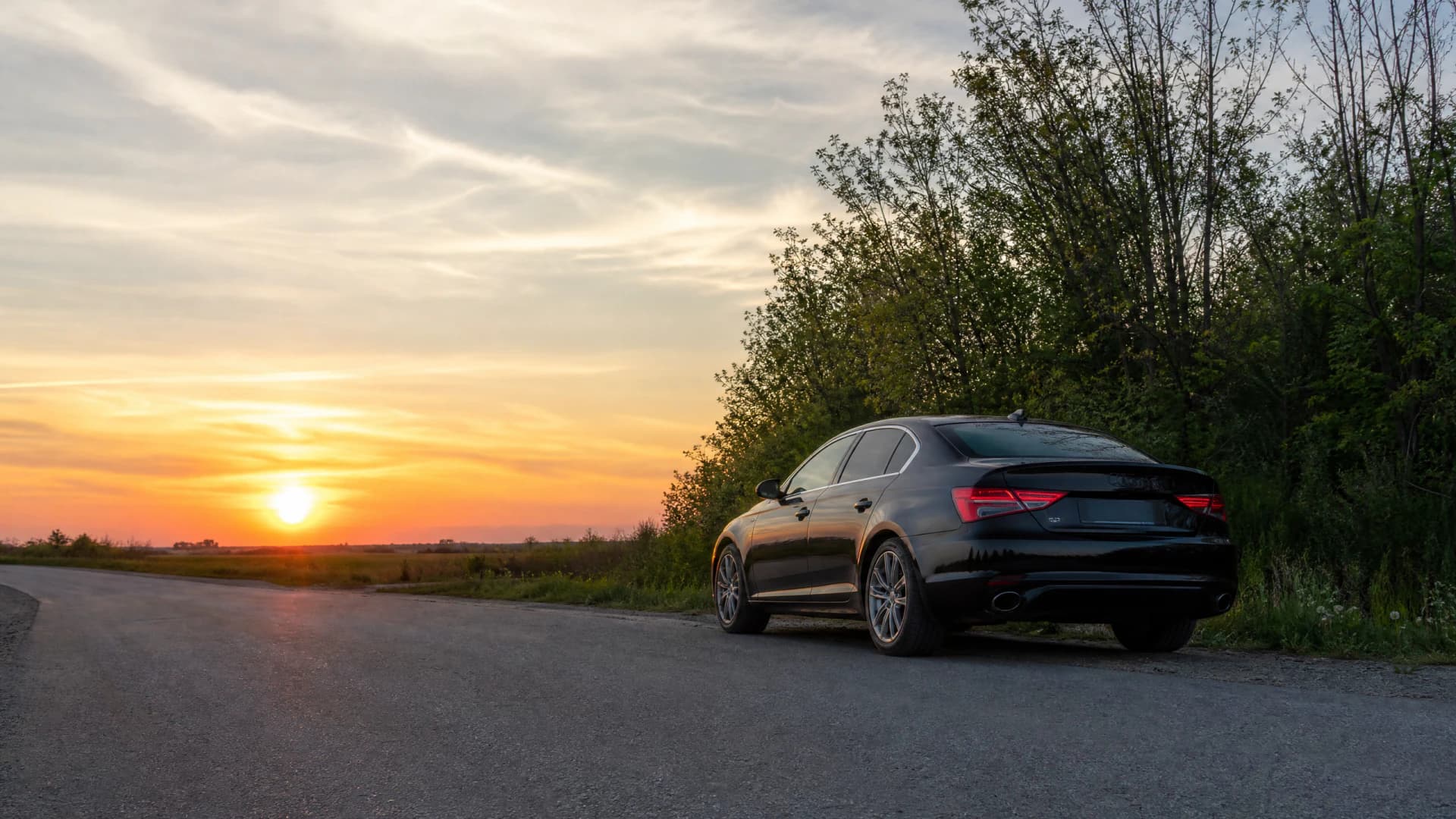
The multi-car discount lowers your per-vehicle premium, but Pennsylvania still requires every car to carry its own $15,000/$30,000/$5,000 liability stack — the discount does not pool limits across vehicles.
Related Articles
How Adding a Vehicle Changes Your Premium
When you add a car to an existing multi-car policy, the carrier does not simply append a flat fee. It recalculates the premium for every vehicle on the policy based on the new household risk profile. A household with two sedans adding a third sedan typically sees a smaller per-vehicle increase than a household adding a sports car or a vehicle driven by a newly-licensed driver. The multi-car discount applies to the new total, which can offset part of the increase, but the total premium always rises because you are insuring an additional vehicle.
Pennsylvania carriers calculate premiums using the vehicle's make, model, year, garaging address, primary driver, annual mileage, and coverage selections. Adding a vehicle mid-term triggers a pro-rated charge for the remainder of the policy term. At renewal, the carrier re-rates the entire policy as if all vehicles were new additions, which can produce a different per-vehicle premium than the mid-term pro-rated figure. If the new vehicle is titled to a household member not currently listed on the policy, the carrier will add that person as a rated driver, which can increase the premium further.
Some carriers require every vehicle titled to a household member to appear on one policy. Others allow separate policies for vehicles garaged at the same address, though this forfeits the multi-car discount. If you own four cars but drive only two regularly, ask whether your carrier offers a reduced-use or pleasure-use classification for the rarely-driven vehicles. This classification typically lowers the premium but restricts the vehicle to limited annual mileage and prohibits commuting use.
27 carriers
Carriers Writing Pennsylvania Auto Policies
Twenty-seven carriers write auto insurance in Pennsylvania, including Allstate, Erie, Geico, Progressive, State Farm, and Travelers. Not every carrier offers the same multi-car discount structure, and some require every household vehicle to sit on one policy to qualify for the discount.
Pennsylvania auto insurance carrier roster

When Separate Policies Make Sense
Most multi-car households save by combining every vehicle on one policy. The multi-car discount typically outweighs the administrative convenience of separate policies. But three situations favor separate policies: when one vehicle is a classic or collector car that qualifies for specialty coverage, when one household member has a significantly worse driving record than the others and would raise the premium for every vehicle on a shared policy, or when one vehicle is titled to a household member who maintains a separate residence and garaging address.
Pennsylvania does not require household members to share one policy. A married couple can maintain separate policies for their respective vehicles, though they forfeit the multi-car discount. If one spouse has a DUI conviction or multiple at-fault accidents, separating the policies can produce a lower combined premium than insuring both vehicles on one policy with the high-risk driver rated. Run quotes both ways before deciding — some carriers apply household-underwriting rules that rate every household member on every policy regardless of whose name appears on the title.
Compare Carriers That Write Multi-Car Policies
Pennsylvania's 27-carrier market includes both standard and non-standard insurers. Standard carriers like Allstate, Erie, Geico, Progressive, and State Farm write multi-car policies for households with clean driving records. Non-standard carriers like Bristol West, Dairyland, and Direct Auto write policies for households with violations, lapses, or high-risk drivers. Not every carrier offers the same multi-car discount, and some cap the discount at a maximum number of vehicles — typically three or four cars.
When you compare quotes, confirm that every vehicle on the policy meets Pennsylvania's $15,000/$30,000/$5,000 minimum and that the declarations page lists each car separately. A quote that appears significantly lower than competitors may be quoting only one vehicle or may be omitting mandatory personal injury protection. Ask whether the carrier requires every household vehicle to appear on one policy to qualify for the multi-car discount, and whether the discount applies when vehicles are titled to different household members. Some carriers apply the discount only when every vehicle is titled to the same person or to spouses.
What Counts as Proof of Insurance
The most common proof is the insurance identification card your carrier issues for each vehicle. Multi-car households receive one card per car, each showing the vehicle identification number, policy number, and coverage effective dates. The card must be current — an expired card is not valid proof even if the policy renewed. The second most common form is the policy declarations page, which lists every vehicle on the policy and the coverage limits for each. Carriers typically mail a new declarations page at renewal or when you add a vehicle mid-term.
Less common forms include an Assigned Risk Plan application (used when you cannot obtain coverage in the voluntary market), a PennDOT self-insurance certificate (available only to entities that meet the state's financial-responsibility threshold), an insurance binder (a temporary proof document issued before the full policy takes effect), or a letter from your carrier confirming coverage. The letter must include the policy number, vehicle identification number, coverage effective dates, and the carrier's NAIC number. A generic letter without these details does not satisfy the proof requirement.
Get Your Free Quote
Get My Pennsylvania Car Insurance QuoteFrequently Asked Questions
Can I share one liability policy across multiple cars in Pennsylvania?
No. Pennsylvania requires every registered vehicle to carry its own $15,000/$30,000/$5,000 liability minimum and personal injury protection. The limits do not pool across vehicles. A two-car household needs two complete stacks of coverage, a three-car household needs three, and so on.
Does the multi-car discount reduce the coverage I need per vehicle?
No. The multi-car discount lowers your per-vehicle premium, but every car on the policy must still carry at least $15,000/$30,000/$5,000 liability and personal injury protection. The discount affects price, not the statutory minimum coverage requirement.
What happens to my premium when I add a third car to my policy?
Your carrier recalculates the premium for every vehicle on the policy, applies the multi-car discount to the new total, and issues a revised premium. The total premium rises because you are adding another complete minimum-limit stack, but the per-vehicle cost is typically lower than insuring each car separately.
Do I need separate insurance cards for each car?
Yes. Pennsylvania requires proof of insurance for each registered vehicle. Your carrier issues one insurance identification card per car, each showing the vehicle identification number, policy number, and coverage effective dates. Keep the card for each vehicle in that vehicle.
Can household members keep separate policies for their cars?
Yes. Pennsylvania does not require household members to share one policy. Separate policies forfeit the multi-car discount, but they can produce a lower combined premium when one household member has a significantly worse driving record than the others.
How many cars can I insure on one policy in Pennsylvania?
Most carriers allow four to six vehicles on one policy. Some cap the multi-car discount at three or four cars, meaning the fifth and sixth vehicles receive no additional discount. If you own more than four cars, ask your carrier whether it caps the discount and at what vehicle count.