
Liability Coverage Limits — Pennsylvania
Free to compare
When Pennsylvania Minimums Cover One Car But Not Your Household
You own three vehicles. Pennsylvania law requires $15,000 per person, $30,000 per accident in bodily injury liability, and $5,000 in property damage liability on each policy. You carry those minimums across all three cars because the premium is manageable and the state accepts it. Then a single accident involves two of your household vehicles — one driver rear-ends the other at a stop sign — and you discover that minimum coverage protects each vehicle's liability separately, but your household's total exposure is the sum of every car you insure.
This article clarifies how Pennsylvania liability limits apply when you insure multiple vehicles, when the state minimums leave multi-car households underinsured, and how to structure higher limits across a fleet without overpaying. The structural reality: each vehicle carries its own liability policy limit, but one household accident can exhaust coverage on multiple cars simultaneously.
“Pennsylvania's $5,000 property damage minimum does not cover most vehicles manufactured after 2010.”
Meet Pennsylvania's Requirements Without Overpaying
Get My Pennsylvania Car Insurance Quote$15,000 / $30,000 / $5,000
Pennsylvania Minimum Liability
Pennsylvania requires $15,000 bodily injury per person, $30,000 bodily injury per accident, and $5,000 property damage per accident. These are the lowest limits you can carry and remain legal, but they apply per vehicle, not per household.
75 Pa.C.S. §1786
How Liability Limits Work Across Multiple Vehicles
Each vehicle on your policy carries its own liability limit. If you insure three cars and each carries Pennsylvania's $15,000/$30,000/$5,000 minimum, you have three separate $30,000 bodily injury per-accident limits — one for each car. The limits do not stack. If one of your cars causes an accident, only that vehicle's liability coverage responds. The other two cars' limits remain untouched unless they are also involved in the same incident.
The confusion arises when one accident involves multiple household vehicles. If your teenager backs one family car into another in the driveway, both vehicles' liability policies may be triggered depending on fault determination and whether the incident qualifies as a covered loss. If both cars carry minimum limits and the damage or injury exceeds those limits, your household is exposed beyond the per-vehicle coverage ceiling.
Pennsylvania does not require uninsured motorist coverage, but many multi-car households add it because the state's 11% uninsured motorist rate means one in nine drivers you encounter carries no coverage. When your own household vehicles collide, uninsured motorist coverage does not apply — liability and collision coverages respond instead.
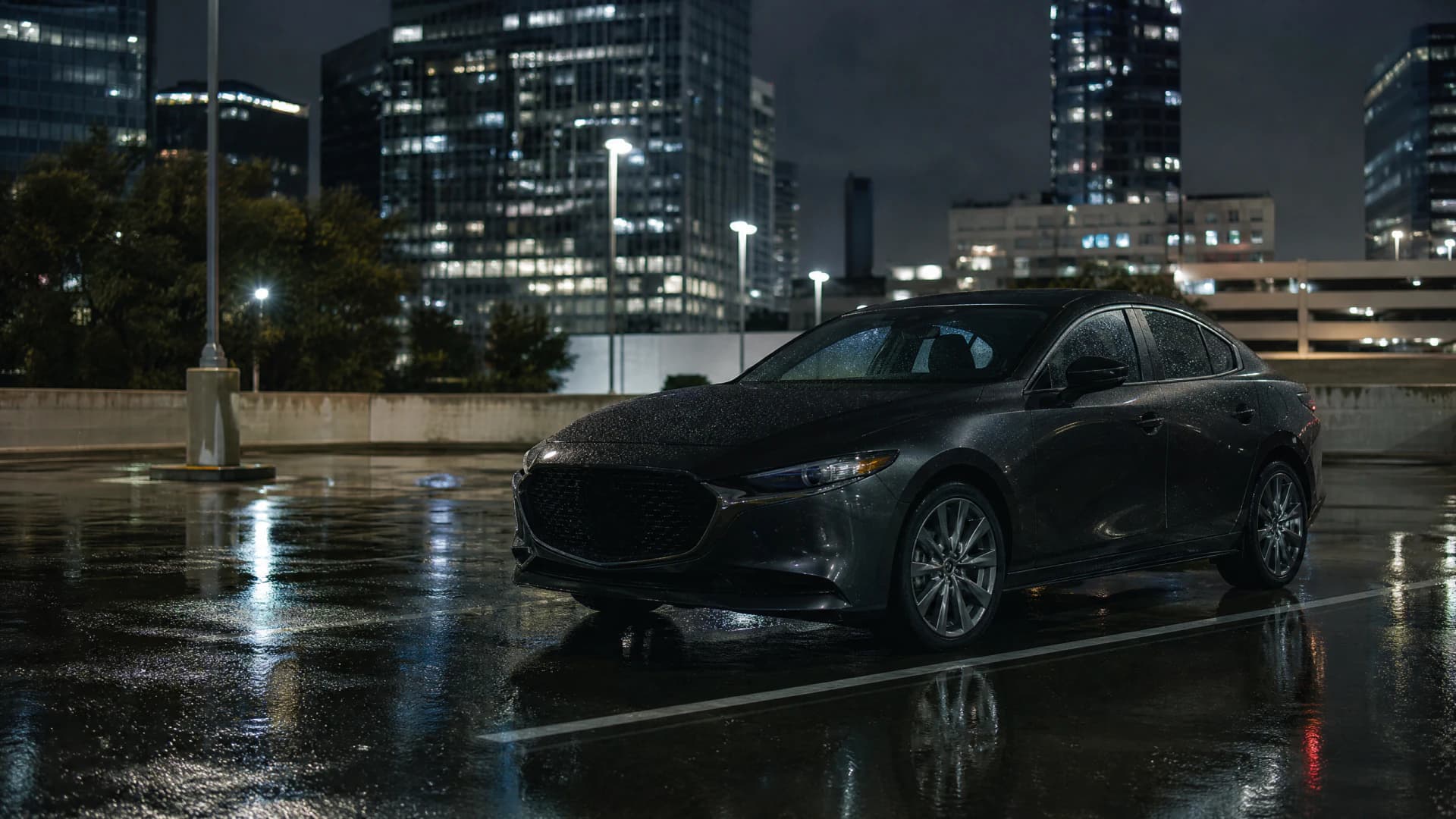
Pennsylvania's $5,000 property damage minimum does not cover the value of most vehicles manufactured after 2010. One at-fault accident can leave you personally liable for the difference.


How Pennsylvania Fault Rules Affect Multi-Car Households
Pennsylvania is a choice no-fault state. When you register a vehicle, you choose between full tort and limited tort. Full tort preserves your right to sue for pain and suffering after any accident. Limited tort restricts your right to sue for non-economic damages unless your injury meets the state's serious injury threshold — death, serious impairment of body function, or permanent serious disfigurement. Most drivers choose limited tort because the premium is lower, but multi-car households often regret that choice when one family member injures another in a household accident and discovers that limited tort restricts the injured party's recovery even when the at-fault driver is a household member.
Personal injury protection coverage is mandatory in Pennsylvania. Every vehicle must carry at least $5,000 in PIP, which pays your own medical expenses and lost wages regardless of fault. PIP applies per person, not per vehicle, so if three household members are injured in one accident, each person's PIP coverage responds up to the policy limit. PIP does not coordinate across vehicles — if you are injured while driving one household car, only that vehicle's PIP coverage applies. The other household vehicles' PIP limits do not stack.
When one household vehicle causes an accident and injures occupants of another household vehicle, liability coverage on the at-fault car responds first. If that vehicle carries only minimum limits and the injuries exceed $30,000 per accident, the injured household members can file an underinsured motorist claim against their own vehicle's policy if they carry UM coverage. Pennsylvania does not require UM coverage, but carriers must offer it. Multi-car households that decline UM coverage lose the ability to recover from their own policy when another household vehicle's liability limits are exhausted.
11%
Pennsylvania Uninsured Motorist Rate
One in nine drivers in Pennsylvania carries no liability insurance. Multi-car households without uninsured motorist coverage cannot recover from their own policy when an uninsured driver damages one of their vehicles or injures a household member.
Insurance Research Council, 2023
Structuring Higher Limits Without Overpaying
Raising liability limits on a multi-car policy costs less per vehicle than raising limits on a single-car policy because the multi-car discount applies to the total premium, including the liability portion. The incremental cost of higher limits decreases as you add vehicles because the carrier spreads underwriting and administrative costs across the entire policy.
Request identical liability limits on every vehicle. Pennsylvania allows you to carry different limits on different vehicles, but claims adjusters and household members often assume the highest limit applies to every car, leading to coverage gaps when the at-fault vehicle carries the lower limit.
Compare Carriers That Write Multi-Car Policies in Pennsylvania
Twenty-eight carriers write auto insurance in Pennsylvania and accept multi-car policies. Not all carriers offer the same liability limit options.
Request quotes that reflect your household's actual vehicle count and driver assignments. Carriers price multi-car policies based on the highest-risk driver in the household and the combined value of all vehicles, but they also apply a multi-car discount that increases as you add vehicles. A household that insures four vehicles with one high-risk driver often pays less per vehicle than a household that insures two vehicles with the same driver, because the multi-car discount offsets the individual driver's surcharge across a larger policy base.
When to Raise Liability Limits on a Multi-Car Policy
Pennsylvania allows judgment creditors to pursue bank accounts, wages, and real property to satisfy liability judgments above your policy limits.
The state's $5,000 minimum does not cover the cost of repairing a late-model sedan's front-end damage, and it does not cover the replacement value of a totaled vehicle. If your at-fault accident damages two vehicles — common in multi-car household incidents or chain-reaction collisions — the $5,000 limit is split across all claimants, leaving you liable for the remainder.
Get Your Free Quote
Get My Pennsylvania Car Insurance QuoteFrequently Asked Questions
Do liability limits stack when I insure multiple cars in Pennsylvania?
No. Each vehicle carries its own liability limit. If you insure three cars and each carries $30,000 per accident in bodily injury liability, you have three separate $30,000 limits, one per vehicle. The limits do not combine. Only the at-fault vehicle's liability coverage responds to a claim.
What happens if one of my household vehicles hits another household vehicle?
The at-fault vehicle's liability coverage responds first. If that vehicle carries minimum limits and the damage or injury exceeds those limits, the injured household members can file an underinsured motorist claim against their own vehicle's policy if they carry UM coverage. Pennsylvania does not require UM coverage, but carriers must offer it.
Should I carry the same liability limits on every vehicle I insure?
Yes. Mismatched limits create confusion at claim time and increase the risk that the wrong vehicle responds to a household incident. Pennsylvania allows different limits on different vehicles, but identical limits across your fleet eliminate coverage gaps and simplify claims when multiple household vehicles are involved in one accident.
How much does it cost to raise liability limits on a multi-car policy in Pennsylvania?
The multi-car discount applies to the total premium, including the liability portion, so the incremental cost per vehicle decreases as you add cars to the policy.
Does Pennsylvania require uninsured motorist coverage on multi-car policies?
No. Pennsylvania does not require uninsured motorist coverage, but carriers must offer it. Multi-car households that decline UM coverage cannot recover from their own policy when an uninsured driver damages one of their vehicles or injures a household member. Eleven percent of Pennsylvania drivers carry no liability insurance.
What is the difference between full tort and limited tort in Pennsylvania?
Full tort preserves your right to sue for pain and suffering after any accident. Limited tort restricts your right to sue for non-economic damages unless your injury meets the state's serious injury threshold. Most drivers choose limited tort because the premium is lower, but multi-car households often regret that choice when one family member injures another and limited tort restricts recovery.