
Full Coverage Car Insurance — Pennsylvania
Free to compare
What Full Coverage Means for Pennsylvania Households
You own two or three cars in Pennsylvania. You carry the state's minimum liability limits on all of them: $15,000 bodily injury per person, $30,000 per accident, $5,000 property damage, plus the mandatory personal injury protection. Now you're deciding whether to add full coverage to one, some, or all of your vehicles. The term full coverage appears everywhere — in carrier quotes, in agent conversations, in online comparisons — but it is not a product you buy. It is shorthand for a combination of coverages that protects your own vehicles, not just the other driver's.
Full coverage in Pennsylvania means your state-required liability and PIP plus collision coverage and comprehensive coverage on each vehicle you want protected. Collision pays to repair or replace your car after an accident regardless of fault. Comprehensive pays for damage from theft, vandalism, weather, fire, or animal strikes. Together they cover the scenarios liability does not: damage to your own car. When you add full coverage to a second or third vehicle on your policy, you are adding collision and comprehensive to that specific car, and the carrier re-rates your entire policy based on the new risk profile, not just the cost of insuring the added vehicle.
“Adding collision and comprehensive to a second car re-rates the policy as a whole, not just the added vehicle.”

Meet Pennsylvania's Requirements Without Overpaying
Get My Pennsylvania Car Insurance Quote$15,000/$30,000/$5,000
Pennsylvania Minimum Liability
Pennsylvania requires $15,000 bodily injury per person, $30,000 per accident, and $5,000 property damage. These minimums apply to every vehicle on your policy. Full coverage adds collision and comprehensive on top of these required coverages.
Pennsylvania Department of Transportation
The Structural Reality: Full Coverage Is Per-Vehicle
Many households assume full coverage applies to the policy as a whole. It does not. Collision and comprehensive are vehicle-specific coverages. When you add them to one car, the other cars on your policy remain covered only by liability and PIP unless you add collision and comprehensive to those vehicles separately. A household with three cars can carry full coverage on one vehicle and minimum coverage on the other two. The carrier prices each vehicle's collision and comprehensive based on that vehicle's value, age, theft risk, and repair cost.
This structure creates a common friction point: you add a second car to your existing policy and request full coverage on the new vehicle. The carrier quotes you a premium that is higher than you expected, because adding collision and comprehensive to the second car re-rates the policy as a whole. The multi-car discount applies, but the base premium reflects the increased risk of insuring two vehicles with physical-damage coverage instead of one. The increase is not simply the cost of insuring the second car — it is the cost of the second car plus the adjustment to the first car's premium based on the new household risk profile.
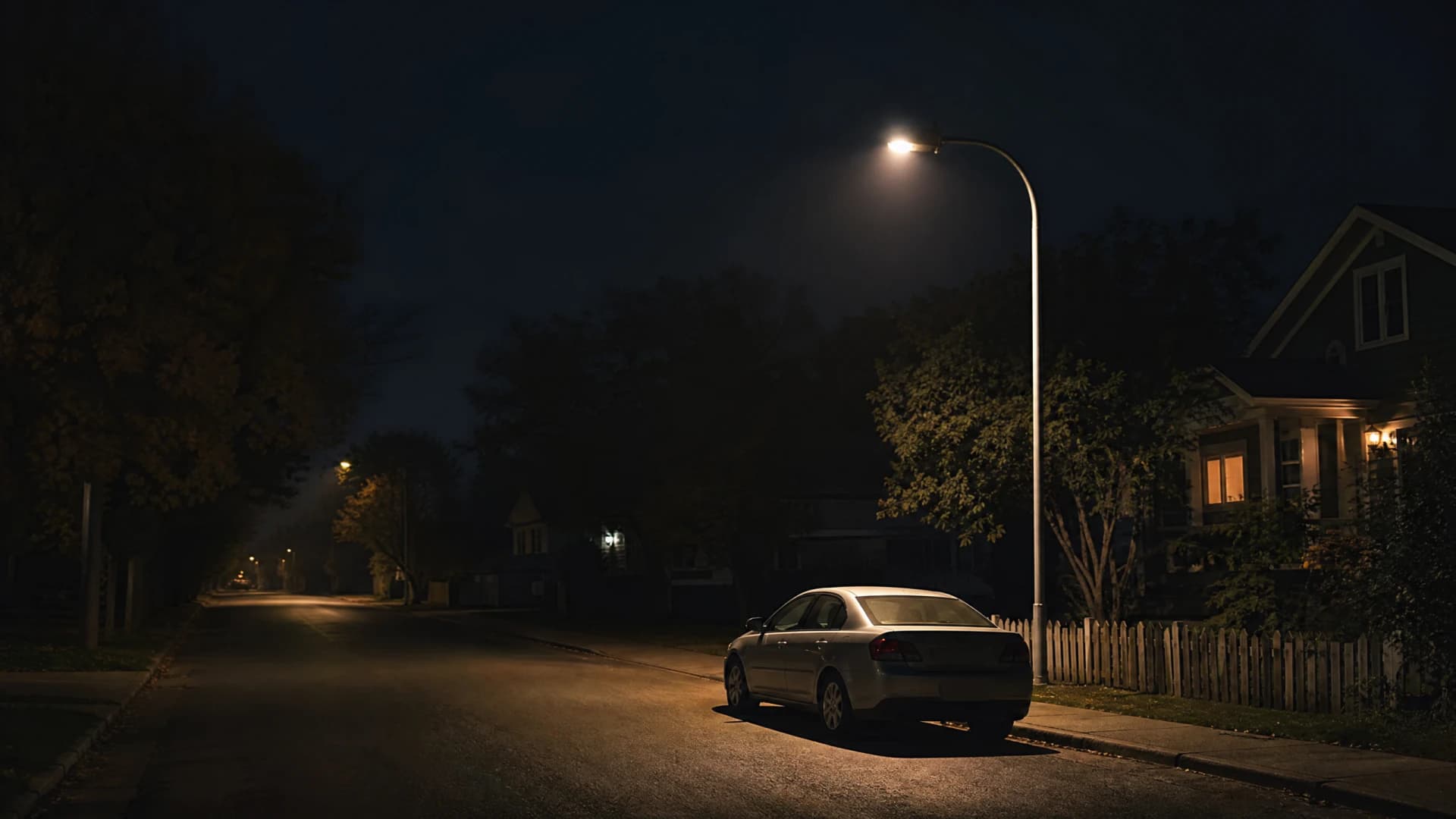
Adding full coverage to a second vehicle re-rates your entire policy, not just the added car. The multi-car discount applies, but the base premium adjusts to reflect the household's total insured value.


How Full Coverage Applies Across Multiple Vehicles
When you insure multiple vehicles on one Pennsylvania policy, each vehicle's collision and comprehensive coverage operates independently. A claim on one car's collision coverage does not affect the other cars' coverage, but it does affect your policy's overall claims history, which influences your renewal premium. If you carry full coverage on two cars and file a collision claim on one, the carrier pays for that car's damage, and at renewal the policy premium for both cars may increase based on the claim.
The decision to add full coverage to a second or third vehicle depends on each vehicle's value and your household's financial position. A conventional threshold: if the vehicle's actual cash value is less than ten times the annual cost of collision and comprehensive coverage on that vehicle, many households drop the physical-damage coverages and self-insure the vehicle.
Pennsylvania does not require collision or comprehensive coverage on any vehicle, even a financed or leased one, but your lienholder does. If you finance or lease a vehicle, the lender requires full coverage until the loan is paid off or the lease ends. If you own the vehicle outright, the decision is yours. Many households carry full coverage on newer or higher-value vehicles and minimum coverage on older or lower-value ones, structuring the policy to protect the household's most valuable assets while keeping premium manageable across all vehicles.
11%
Pennsylvania Uninsured Motorist Rate
Eleven percent of Pennsylvania motorists drive uninsured. Collision coverage protects your vehicle when an uninsured driver hits you and cannot pay for your damage. Without collision, you rely on uninsured-motorist property-damage coverage if you carry it, or you pay out of pocket.
Insurance Research Council, 2023
Deductibles and How They Affect Premium
The deductible you choose directly affects your collision and comprehensive premium. A $500 deductible costs more per month than a $1,000 deductible because the carrier assumes more of the risk. Households with multiple vehicles often choose higher deductibles to lower the base premium, then set aside the savings in an emergency fund to cover the deductible if a claim occurs.
Choosing different deductibles for different vehicles is common. A household with a new truck and an older sedan might choose a $500 collision deductible on the truck and a $1,000 deductible on the sedan, or drop collision on the sedan entirely. The carrier prices each vehicle's coverage independently, so mixing deductibles across vehicles does not create a penalty. The multi-car discount applies to the policy as a whole, regardless of how you structure deductibles.
Compare Carriers That Write Full Coverage for Multiple Vehicles
Pennsylvania households insuring multiple vehicles with full coverage should compare carriers that write multi-car policies and offer transparent collision and comprehensive pricing. Pennsylvania car insurance requirements set the liability and PIP floor, but full coverage decisions depend on each vehicle's value, your household's claims history, and the carrier's appetite for insuring multiple vehicles with physical-damage coverage. Carriers that write full coverage for Pennsylvania households include State Farm, Erie, Nationwide, Allstate, Progressive, Geico, Travelers, Liberty Mutual, and USAA. Not all carriers price multi-car full-coverage policies the same way — some apply the multi-car discount before calculating collision and comprehensive premiums, others apply it after, and the order affects your total cost.
When you request quotes, provide each vehicle's year, make, model, and actual cash value, and specify the deductibles you want for each vehicle. The carrier will price collision and comprehensive separately for each car, apply the multi-car discount to the policy, and return a total premium. Compare the total premium across carriers, not just the per-vehicle breakdown, because the multi-car discount structure varies. A carrier with a higher per-vehicle collision premium but a larger multi-car discount may deliver a lower total cost than a carrier with lower per-vehicle premiums and a smaller discount.
What Collision and Comprehensive Actually Cover
Collision coverage pays to repair or replace your vehicle after an accident with another car, a stationary object, or a rollover, regardless of who caused the accident. If you rear-end another driver, collision pays for your car's damage. If another driver hits you and has no insurance, collision pays for your car while your uninsured-motorist property-damage coverage (if you carry it) pursues the at-fault driver. Collision does not pay for the other driver's car — your liability coverage does that. You choose a deductible when you add collision: typically $500 or $1,000. The deductible is the amount you pay out of pocket before the carrier pays the rest.
Comprehensive coverage pays for damage to your vehicle from non-collision events: theft, vandalism, fire, hail, flood, falling objects, and animal strikes. If a deer runs into your car on a Pennsylvania rural road, comprehensive pays for the damage. If your car is stolen from your driveway, comprehensive pays the actual cash value of the vehicle minus your deductible. Comprehensive also requires a deductible, often lower than the collision deductible because comprehensive claims are typically smaller. Many households choose a $500 comprehensive deductible and a $1,000 collision deductible to balance premium cost against out-of-pocket risk.
Get Your Free Quote
Get My Pennsylvania Car Insurance QuoteFrequently Asked Questions
Is full coverage required in Pennsylvania?
No. Pennsylvania requires only liability insurance and personal injury protection. Full coverage — which adds collision and comprehensive — is optional unless your vehicle is financed or leased, in which case your lienholder requires it until the loan is paid off.
Does full coverage on one car cover my other cars?
No. Collision and comprehensive are vehicle-specific coverages. If you add full coverage to one car on a multi-car policy, the other cars remain covered only by liability and PIP unless you add collision and comprehensive to those vehicles separately.
What is the difference between collision and comprehensive?
Collision covers damage to your car from accidents with other vehicles or objects. Comprehensive covers damage from non-collision events: theft, vandalism, weather, fire, and animal strikes. Both require a deductible you choose when you add the coverage.
How does adding full coverage to a second vehicle affect my premium?
Adding collision and comprehensive to a second vehicle re-rates your entire policy based on the new household risk profile. The multi-car discount applies, but the base premium reflects the increased risk of insuring two vehicles with physical-damage coverage instead of one.
Should I carry full coverage on an older car?
It depends on the vehicle's value. If the actual cash value is less than ten times the annual cost of collision and comprehensive, many households drop the physical-damage coverages and self-insure.
Can I choose different deductibles for different vehicles?
Yes. The carrier prices each vehicle's collision and comprehensive coverage independently. You can choose a $500 deductible on one car and a $1,000 deductible on another, or drop collision on one vehicle entirely. The multi-car discount applies to the policy regardless of how you structure deductibles.