
Cheapest Full Coverage Car Insurance — Pennsylvania
Free to compare
When Full Coverage on Every Vehicle Doesn't Make Sense
You own three cars. One is a 2022 sedan you're still financing, one is a 2015 SUV the teenager drives to school, and one is a 1998 truck you use for weekend projects. Your carrier quoted full coverage on all three, and the total monthly premium is higher than you expected. You're wondering whether you actually need collision and comprehensive on every vehicle, or whether Pennsylvania law lets you structure coverage differently across the household.
Pennsylvania requires liability insurance and personal injury protection on every registered vehicle you own. Full coverage—the combination of liability, PIP, collision, and comprehensive—is not a state mandate. Collision and comprehensive are per-vehicle decisions. You can carry full coverage on the financed sedan, liability-only on the old truck, and a middle option on the SUV. The state does not require uniform coverage across your household's cars.
“Collision and comprehensive are per-vehicle choices—Pennsylvania does not require them on every car you own.”

Meet Pennsylvania's Requirements Without Overpaying
Get My Pennsylvania Car Insurance Quote$15,000 / $30,000 / $5,000
Pennsylvania Minimum Liability
Every vehicle registered in Pennsylvania must carry at least $15,000 bodily injury per person, $30,000 bodily injury per accident, and $5,000 property damage, plus personal injury protection. These minimums apply to every car you own, whether you add collision and comprehensive or not.
Pennsylvania Department of Transportation
What Full Coverage Actually Covers Per Vehicle
Full coverage is shorthand for a policy that includes liability, personal injury protection, collision, and comprehensive on a single vehicle. Liability pays for damage you cause to others. PIP pays your own medical bills regardless of fault. Collision pays to repair your car after a crash with another vehicle or object. Comprehensive pays for theft, vandalism, weather damage, and animal strikes.
Pennsylvania law requires liability and PIP on every car. Collision and comprehensive are optional unless your lender requires them. If you own a car outright and it's worth less than a few thousand dollars, dropping collision and comprehensive on that specific vehicle can lower your household's total premium without violating state law. The newer financed car still carries full coverage because the lender mandates it, but the older paid-off car can drop to liability-only.
The multi-car discount applies to the entire policy, not to individual coverage selections. Adding a third vehicle to your policy triggers the discount even if that third vehicle carries only liability and PIP. The discount percentage does not shrink because one car has less coverage than another.
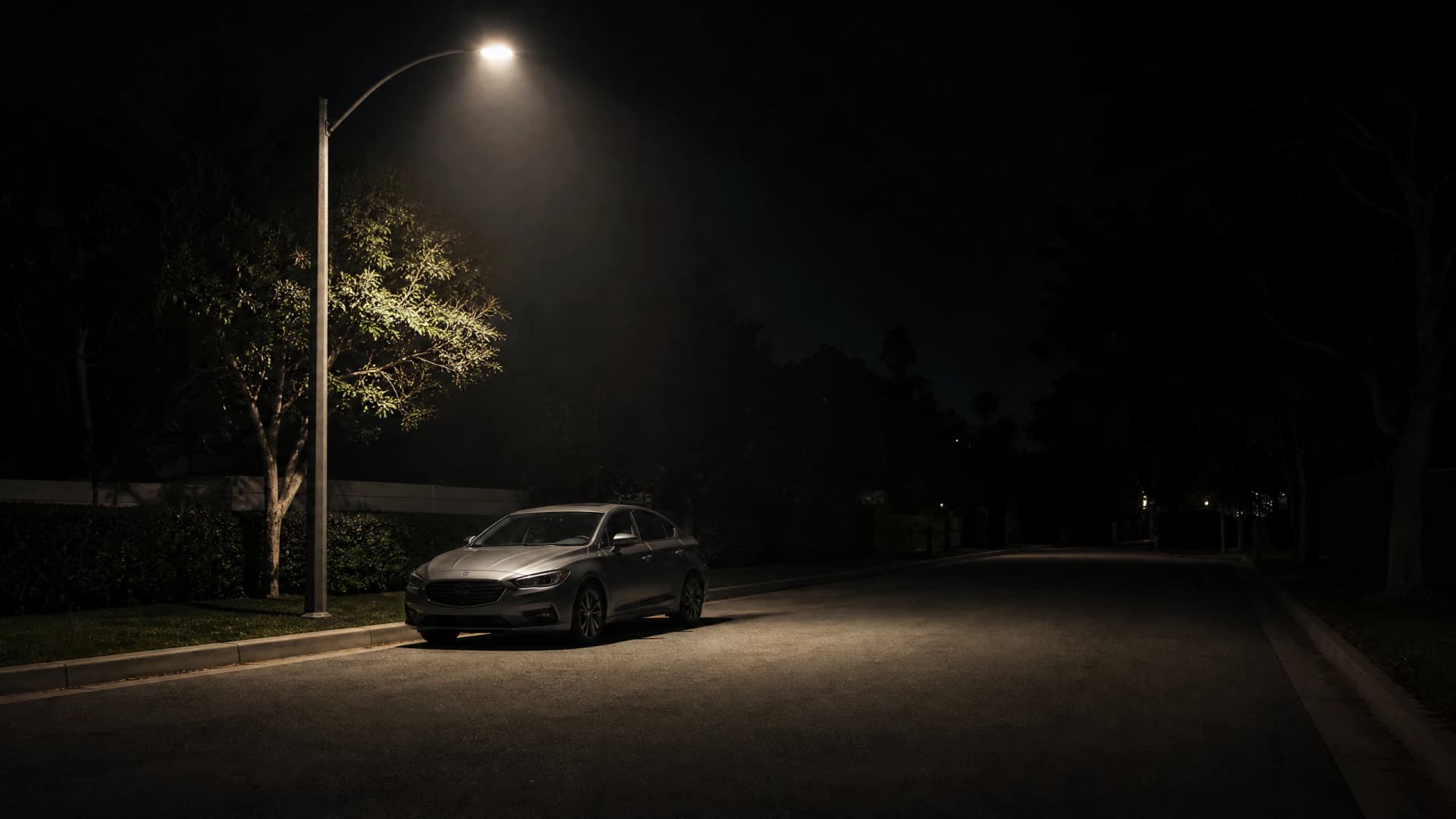
Collision and comprehensive are per-vehicle choices. Pennsylvania does not require them on every car you own, and mixing coverage levels across your household's vehicles is structurally permitted.
Related Articles



Carrier Differences in Multi-Vehicle Full Coverage Pricing
Not every carrier prices multi-vehicle policies the same way. Some carriers apply the multi-car discount to the total premium after calculating each vehicle's coverage separately. Others calculate a blended rate across all vehicles and then apply the discount. The difference matters when you're mixing coverage levels—one carrier may penalize you less for dropping collision on the older car than another.
Pennsylvania has 26 carriers writing auto insurance in the state, including standard and non-standard options. Geico, State Farm, Progressive, Allstate, Erie, and Nationwide all write multi-vehicle policies and offer online quotes. Compare at least three carriers when structuring coverage across multiple cars. The carrier that quoted lowest for full coverage on every vehicle may not be the cheapest when you drop collision and comprehensive on one car.
Some carriers reward long-term customers with better multi-car pricing. If you've been with the same carrier for several years and you're adding a vehicle or restructuring coverage, ask whether a loyalty discount applies before switching. The savings from a new carrier's introductory rate may disappear after the first term if your current carrier's renewal rate is lower.
26 carriers
Auto Insurers Writing in PA
Pennsylvania's competitive carrier market includes both preferred-tier insurers like Erie and USAA and non-standard options like Dairyland and Bristol West. Households with multiple vehicles and mixed driving records can compare across tiers to find the policy structure that fits their coverage needs and budget.
Pennsylvania Department of Insurance
When Dropping Collision Costs More Than It Saves
Dropping collision and comprehensive on one vehicle does not always lower your total premium as much as you expect. Some carriers calculate the multi-car discount as a percentage of the total policy premium. When you remove coverage from one car, the total premium drops, and the discount percentage applies to a smaller base. The net savings can be less than the cost of the coverage you dropped.
Run the numbers before finalizing. Get a quote with full coverage on every vehicle, then get a second quote with liability-only on the older car. Compare the total premium difference to the value of the coverage you're removing. In that case, keeping full coverage may be the better financial decision.
Compare Carriers That Write Your Household's Vehicle Mix
Pennsylvania requires liability and PIP on every registered vehicle. Full coverage—adding collision and comprehensive—is a per-vehicle decision you control on any car you own outright. The cheapest full coverage policy for your household depends on how many cars you're insuring, which cars carry full coverage, and which carrier prices your specific vehicle mix most competitively. Compare quotes from at least three carriers, structure coverage based on each car's value and use, and verify that every vehicle meets Pennsylvania's $15,000/$30,000/$5,000 liability minimum and PIP requirement before you finalize.
How to Structure Coverage Across Multiple Vehicles
Start with the financed or leased vehicle. The lender requires collision and comprehensive until the loan is paid off. You cannot drop those coverages without violating the loan agreement, and the lender will force-place expensive coverage if you try. Full coverage on this car is non-negotiable. Choose a deductible you can afford to pay after a crash—$500 or $1,000 are the most common—and move to the next vehicle.
For the older paid-off car, calculate whether the annual cost of collision and comprehensive exceeds the car's current value. Liability and PIP remain in place because Pennsylvania requires them.
Get Your Free Quote
Get My Pennsylvania Car Insurance QuoteFrequently Asked Questions
Does Pennsylvania require full coverage on every car I own?
No. Pennsylvania requires liability insurance and personal injury protection on every registered vehicle, but collision and comprehensive are optional unless your lender requires them. You can carry full coverage on one car and liability-only on another in the same household.
Will I lose the multi-car discount if I drop collision on one vehicle?
No. The multi-car discount applies to the entire policy, not to individual coverage selections. Adding a vehicle to your policy triggers the discount even if that vehicle carries only liability and PIP.
How do I know if dropping collision and comprehensive is worth it?
Calculate whether the annual cost of collision and comprehensive exceeds the car's current value. If the coverage costs more than 15–20 percent of what the car is worth, many households drop it and self-insure the repair or replacement cost.
Can I add collision and comprehensive back later if I drop it now?
Yes. You can add collision and comprehensive to any vehicle on your policy at any time by contacting your carrier. The coverage takes effect immediately, but you cannot add it retroactively to cover a crash that already happened.
Do all carriers price multi-vehicle policies the same way?
No. Some carriers apply the multi-car discount after calculating each vehicle's coverage separately, while others calculate a blended rate across all vehicles first. Compare quotes from at least three carriers when mixing coverage levels across your household's cars.
What happens if I drop collision and then total the car?
You pay the full replacement cost out of pocket. Collision coverage pays to repair or replace your car after a crash. Without it, you receive nothing from your own policy even if the other driver was uninsured or underinsured.