
Cheap Full Coverage Car Insurance — Pennsylvania
Free to compare
When Full Coverage Across Multiple Cars Costs More Than It Should
You own two or three cars, you want full coverage on all of them, and the quotes you're getting feel too high for what should be a straightforward multi-vehicle policy. The carrier quoted you a multi-car discount, but when you added the second or third vehicle, the premium didn't drop the way you expected. The problem isn't the coverage — it's the policy structure.
Pennsylvania law requires $15,000 bodily injury per person, $30,000 bodily injury per accident, and $5,000 property damage as the minimum liability limits, plus personal injury protection. Full coverage adds collision and comprehensive on top of that base. When you insure multiple vehicles, the multi-car discount applies to the policy, not to individual cars — and it only works when every vehicle you want covered sits on the same policy. A car titled to a household member on a separate policy doesn't count, even if you live at the same address.
“The multi-car discount only applies when every vehicle sits on the same policy — a car on a separate policy doesn't count, even at the same address.”

Meet Pennsylvania's Requirements Without Overpaying
Get My Pennsylvania Car Insurance Quote$15,000 / $30,000 / $5,000
Pennsylvania Liability Minimum
Pennsylvania requires $15,000 bodily injury per person, $30,000 per accident, and $5,000 property damage as the minimum liability coverage to register and legally drive. Full coverage builds on this base by adding collision and comprehensive.
Pennsylvania Department of Transportation
What Full Coverage Actually Means for Multiple Vehicles
Full coverage is not a product name — it's shorthand for a policy that carries liability, collision, and comprehensive together. Liability pays for damage you cause to others. Collision pays to repair your car after a crash, regardless of fault. Comprehensive pays for theft, vandalism, weather damage, and animal strikes. Pennsylvania also mandates personal injury protection, which covers medical expenses for you and your passengers after an accident.
When you add full coverage to multiple vehicles on one policy, each car gets its own collision and comprehensive limits, but the liability coverage applies per accident, not per car. That means your $30,000 bodily injury per accident limit covers all vehicles on the policy in a single incident. The multi-car discount reduces the total premium because the carrier prices the household as one risk pool, not as separate policies.
The structural reality: the multi-car discount requires every vehicle to sit on the same policy. If one car is titled to a spouse or household member who maintains a separate policy, that vehicle doesn't count toward the discount on your policy, and their policy doesn't benefit from your vehicles either. Combining them into one policy is the only way both cars qualify.
Carriers writing Pennsylvania multi-vehicle policies include State Farm, Geico, Progressive, Allstate, Liberty Mutual, Farmers, Nationwide, USAA, Travelers, Erie, Auto-Owners, Hartford, Amica, CSAA, and National General. Not all of them structure the multi-car discount the same way — some apply it as a flat percentage off each vehicle, others reduce the base rate before adding coverage, and a few tier the discount by the number of vehicles on the policy.
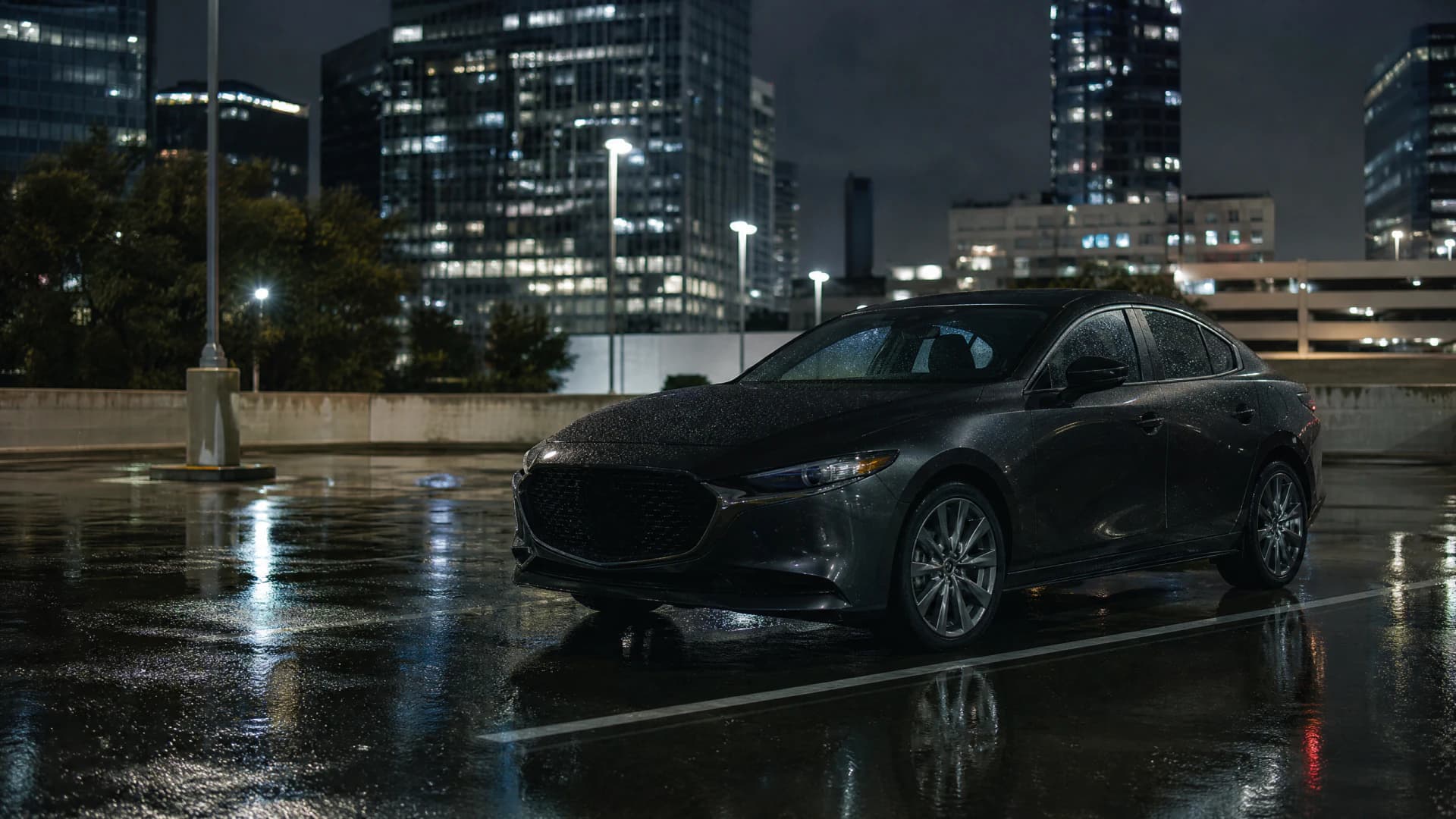
The multi-car discount only applies when every vehicle you want covered sits on the same policy. A car on a separate policy — even at the same address — doesn't count.



Collision and Comprehensive Deductibles Across Multiple Cars
Each vehicle on the policy carries its own collision and comprehensive deductibles. You can choose a $500 or $1,000 deductible per car, and you can set different deductibles for different vehicles. A newer car you're financing might carry a $500 collision deductible to keep out-of-pocket repair costs low, while an older paid-off car might carry a $1,000 deductible to reduce the premium.
The deductible you choose affects the premium for that specific vehicle, not the whole policy. Raising the deductible on one car lowers the cost to insure that car, but it doesn't change the premium for the other vehicles on the policy. If you're trying to lower the total household premium, start by raising deductibles on the cars you drive least or the ones with the lowest replacement value.
Pennsylvania does not cap deductibles, so you can choose higher amounts if you want to reduce the premium further.
11%
Pennsylvania Uninsured Motorist Rate
Eleven percent of Pennsylvania motorists drive without insurance. Uninsured motorist coverage protects you when an at-fault driver has no liability coverage to pay your claim. It's optional in Pennsylvania, but it's the only way to recover costs when the other driver can't pay.
Insurance Information Institute, 2023

Optional Coverages That Add Cost but Fill Gaps
Pennsylvania does not require uninsured motorist coverage, but 11% of drivers in the state have no insurance. If an uninsured driver hits your car, their liability coverage doesn't exist, and your collision coverage pays to repair your vehicle — but only after you pay the deductible. Uninsured motorist property damage coverage pays for the repair without a deductible, and uninsured motorist bodily injury covers medical expenses your personal injury protection doesn't fully pay.
Underinsured motorist coverage works the same way, but it applies when the at-fault driver has liability coverage that's too low to cover your damages. Pennsylvania's minimum liability limits are $15,000 per person and $30,000 per accident. If you're seriously injured in a crash caused by a driver carrying only the minimum, their $15,000 bodily injury limit might not cover your medical bills. Underinsured motorist coverage fills the gap between their limit and your actual costs. Both uninsured and underinsured motorist coverages are optional, but they're the only way to protect yourself when the other driver's coverage falls short.
Compare Carriers Writing Pennsylvania Multi-Vehicle Policies
The cheapest full coverage policy for one car is not always the cheapest for three. Carriers price multi-vehicle policies differently: some offer steeper discounts for households with more cars, others price the first vehicle high and discount the second and third more aggressively, and a few tier their rates by the total number of drivers and vehicles combined. The only way to know which carrier produces the lowest total premium for your household is to compare quotes with every vehicle and every driver listed on the same policy.
Request quotes from State Farm, Geico, Progressive, Allstate, and Erie — all five write Pennsylvania multi-vehicle policies and structure their multi-car discounts differently. Provide the same coverage limits, the same deductibles, and the same driver and vehicle information to each carrier so the quotes are comparable. Compare the total annual premium, not the per-vehicle breakdown. Use the Pennsylvania car insurance requirements page to confirm the minimum liability limits and mandatory coverages before you request quotes, so you know exactly what the carrier must include in the base policy.
How to Structure a Multi-Vehicle Full Coverage Policy
Start by listing every vehicle you want to insure: who owns the title, who drives it regularly, and where it's garaged. Pennsylvania carriers require every vehicle on the policy to be titled to a named insured or a household member living at the same address. If a car is titled to someone outside the household, it cannot sit on your policy, and you lose the multi-car discount for that vehicle. If you and a spouse each have a car titled in your own names, both cars can sit on one policy as long as both of you are named insureds.
Next, compare how carriers structure the multi-car discount. Some apply the discount to the total premium after adding all vehicles; others reduce the per-vehicle base rate before calculating coverage costs. A smaller discount on a lower base rate can beat a larger discount on a higher one. Request quotes from at least three carriers writing Pennsylvania multi-vehicle policies and compare the total annual premium, not just the discount percentage. The cheapest single-car rate does not always produce the cheapest multi-car total.
Get Your Free Quote
Get My Pennsylvania Car Insurance QuoteFrequently Asked Questions
Does full coverage cost less when I insure multiple cars on one policy in Pennsylvania?
Yes, when every vehicle sits on the same policy. The multi-car discount reduces the total premium because the carrier prices the household as one risk pool. A car titled to a household member on a separate policy doesn't count toward the discount on your policy, even if you live at the same address.
Can I set different deductibles for each car on a Pennsylvania multi-vehicle policy?
Yes. Each vehicle on the policy carries its own collision and comprehensive deductibles. You can choose a $500 deductible on a newer car you're financing and a $1,000 deductible on an older paid-off car to reduce the premium for that vehicle without affecting the others.
What happens if an uninsured driver hits one of my cars in Pennsylvania?
Your collision coverage pays to repair your vehicle after you pay the deductible. Uninsured motorist property damage coverage pays for the repair without a deductible, and uninsured motorist bodily injury covers medical expenses your personal injury protection doesn't fully pay. Both are optional in Pennsylvania.
Do I need uninsured motorist coverage in Pennsylvania if I already have full coverage?
Pennsylvania does not require it, but 11% of drivers in the state have no insurance. Uninsured motorist coverage is the only way to recover costs when an at-fault driver has no liability coverage to pay your claim. Full coverage pays to repair your car, but only after you pay the deductible.
Which Pennsylvania carriers offer the best multi-car discount?
State Farm, Geico, Progressive, Allstate, and Erie all write Pennsylvania multi-vehicle policies and structure their multi-car discounts differently. The cheapest single-car rate does not always produce the cheapest multi-car total. Compare quotes from at least three carriers with every vehicle and driver listed on the same policy.
Can I add a car titled to my spouse to my Pennsylvania policy?
Yes, as long as your spouse is a named insured on the policy and lives at the same address. Both cars qualify for the multi-car discount when they sit on the same policy. A car titled to your spouse on a separate policy does not count toward the discount on your policy.