
Car Insurance Cost — Pennsylvania
Free to compare
What You Pay to Insure Multiple Cars in Pennsylvania
You own two or three vehicles, and you need to know what it costs to insure all of them in Pennsylvania. The state requires $15,000 bodily injury per person, $30,000 per accident, and $5,000 property damage on every vehicle you register, plus mandatory personal injury protection coverage. That baseline applies to each car on your policy, and the multi-car discount reduces the combined premium — but the discount structure varies by carrier, and a smaller discount on a lower base rate can beat a larger discount on a higher one.
The cost to insure multiple vehicles in Pennsylvania depends on how carriers apply the multi-car discount to the state's mandatory coverage floor, how many vehicles sit on one policy, and whether every vehicle qualifies for the same-policy discount. This article walks through Pennsylvania's coverage requirements, how the multi-car discount works against those requirements, what drives the rate for each vehicle, and how to structure your policy to get the lowest combined premium for your household.
“A smaller discount on a lower base rate can beat a larger discount on a higher one — compare final combined premiums, not discount percentages.”
Meet Pennsylvania's Requirements Without Overpaying
Get My Pennsylvania Car Insurance Quote$15,000/$30,000/$5,000
Pennsylvania Minimum Liability
Pennsylvania requires $15,000 bodily injury per person, $30,000 per accident, and $5,000 property damage on every registered vehicle. Personal injury protection is also mandatory. Every vehicle on your policy must meet these minimums.
Pennsylvania Department of Transportation
Pennsylvania's Mandatory Coverage Floor Applies to Every Vehicle
Pennsylvania is one of the states that requires personal injury protection coverage in addition to liability. The $15,000/$30,000/$5,000 liability minimums cover injury and damage you cause to others; PIP covers your own medical expenses regardless of fault. Both coverages are mandatory on every vehicle you register, and both contribute to the baseline cost per vehicle.
When you insure multiple vehicles on one policy, the carrier applies the state's mandatory coverage floor to each vehicle individually. A three-car policy carries three sets of liability limits and three PIP coverages. The multi-car discount reduces the combined premium, but it does not eliminate the per-vehicle coverage cost. The discount is a percentage off the total, not a flat amount, so the size of the discount depends on the base premium the carrier calculates for your household.
Carriers structure the multi-car discount differently. Some apply a larger discount when you add a third or fourth vehicle; others apply a flat percentage regardless of vehicle count. Some require every vehicle to be garaged at the same address; others allow vehicles garaged at different addresses as long as they sit on the same policy. The discount structure determines whether combining policies saves money, and the only way to compare is to quote the same vehicle count and coverage selections across multiple carriers.
The multi-car discount requires every vehicle on the same policy. A vehicle titled to someone outside your household may not qualify, even if garaged at your address.
Related Articles
What Drives the Rate for Each Vehicle on a Multi-Car Policy
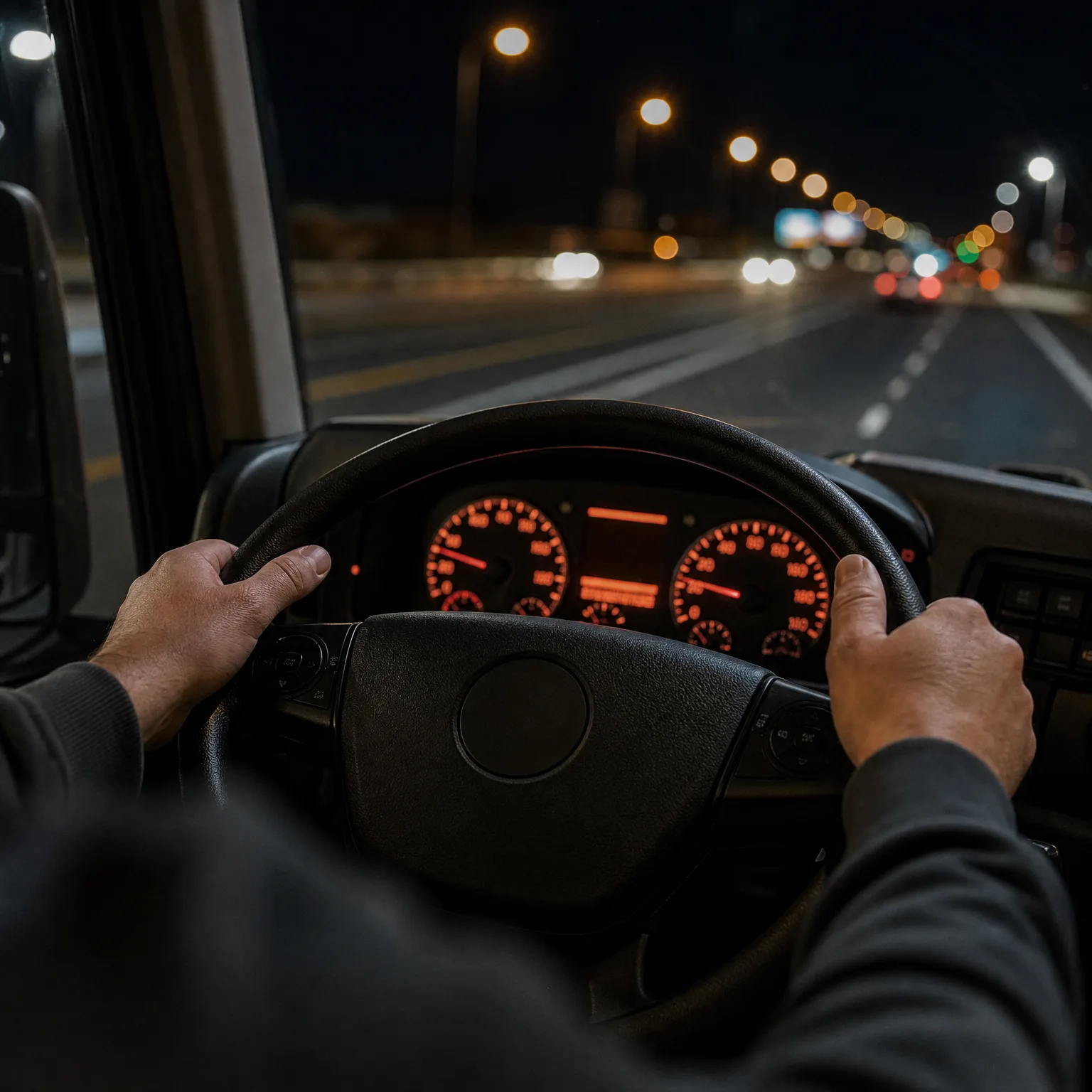
Each vehicle on your policy is rated individually before the multi-car discount applies. The carrier considers the vehicle's year, make, model, safety features, theft rate, and repair cost. A newer vehicle with comprehensive and collision coverage costs more to insure than an older vehicle with liability only, even on the same policy. The primary driver assigned to each vehicle also affects the rate: a teen driver assigned to one vehicle raises the premium for that vehicle more than an adult driver with a clean record.
Pennsylvania allows carriers to use credit-based insurance scores in rating, and the score applies to the policy as a whole. If you combine two policies after marriage, the carrier uses the lower score to rate the combined policy, which can raise the premium for the spouse who previously had a higher score. Garaging address matters: a vehicle garaged in Philadelphia costs more to insure than a vehicle garaged in a rural county, even on the same policy. If you garage vehicles at two addresses — for example, one at your primary residence and one at a college student's apartment — the carrier rates each vehicle at its own garaging address.
Adding a vehicle mid-term re-rates the entire policy, not just the new vehicle. The carrier recalculates the premium for all vehicles based on the new vehicle count and applies the multi-car discount to the new total. The premium increase is not simply the cost of the new vehicle; it reflects the re-rated total minus the larger multi-car discount. Removing a vehicle mid-term also re-rates the policy and reduces the multi-car discount, which can raise the per-vehicle cost for the remaining vehicles.
28 carriers
Carriers Writing Pennsylvania Auto
Twenty-eight carriers write auto insurance in Pennsylvania, including standard, preferred, and non-standard tiers. Multi-car discount structures vary by carrier, so comparing quotes across multiple carriers is the only way to find the lowest combined premium for your household.

Comparing Carriers for Multi-Car Policies in Pennsylvania
The multi-car discount percentage is not the only factor that determines your combined premium. A carrier with a smaller discount but a lower base rate can produce a lower combined premium than a carrier with a larger discount on a higher base rate. The only way to compare is to quote the same vehicle count, coverage selections, and driver assignments across multiple carriers and compare the final combined premium, not the discount percentage.
Pennsylvania has 28 carriers writing auto insurance, including Geico, State Farm, Progressive, Allstate, Erie, Nationwide, and others. Some carriers specialize in multi-car households and structure their base rates to be competitive for households with three or more vehicles. Others offer better rates for households with two vehicles. The carrier that offers the lowest rate for a single vehicle may not offer the lowest rate for a multi-car policy, so quoting as a multi-car household from the start produces more accurate comparisons than adding vehicles to a single-vehicle quote.
Full Coverage Versus Minimum Coverage on a Multi-Car Policy
Pennsylvania's $15,000/$30,000/$5,000 minimums plus PIP are the legal floor, not a recommendation. Minimum coverage pays only up to the state limits for damage you cause to others, and it does not cover damage to your own vehicles. Full coverage adds comprehensive and collision to cover your own vehicles, plus higher liability limits and uninsured motorist coverage. The decision to carry full coverage or minimum coverage can vary by vehicle on the same policy.
Many households carry full coverage on newer or financed vehicles and minimum coverage on older vehicles they own outright. A 2022 vehicle with a loan requires comprehensive and collision as a condition of the loan; a 2008 vehicle you own outright may not be worth insuring for physical damage. Mixing coverage levels on the same policy is common and does not affect the multi-car discount — the discount applies to the combined premium regardless of which vehicles carry full coverage. The per-vehicle cost difference between full coverage and minimum coverage is larger than the multi-car discount, so the coverage decision has a bigger impact on your total premium than the discount structure.
Compare Carriers for Your Household's Vehicle Count and Coverage Needs
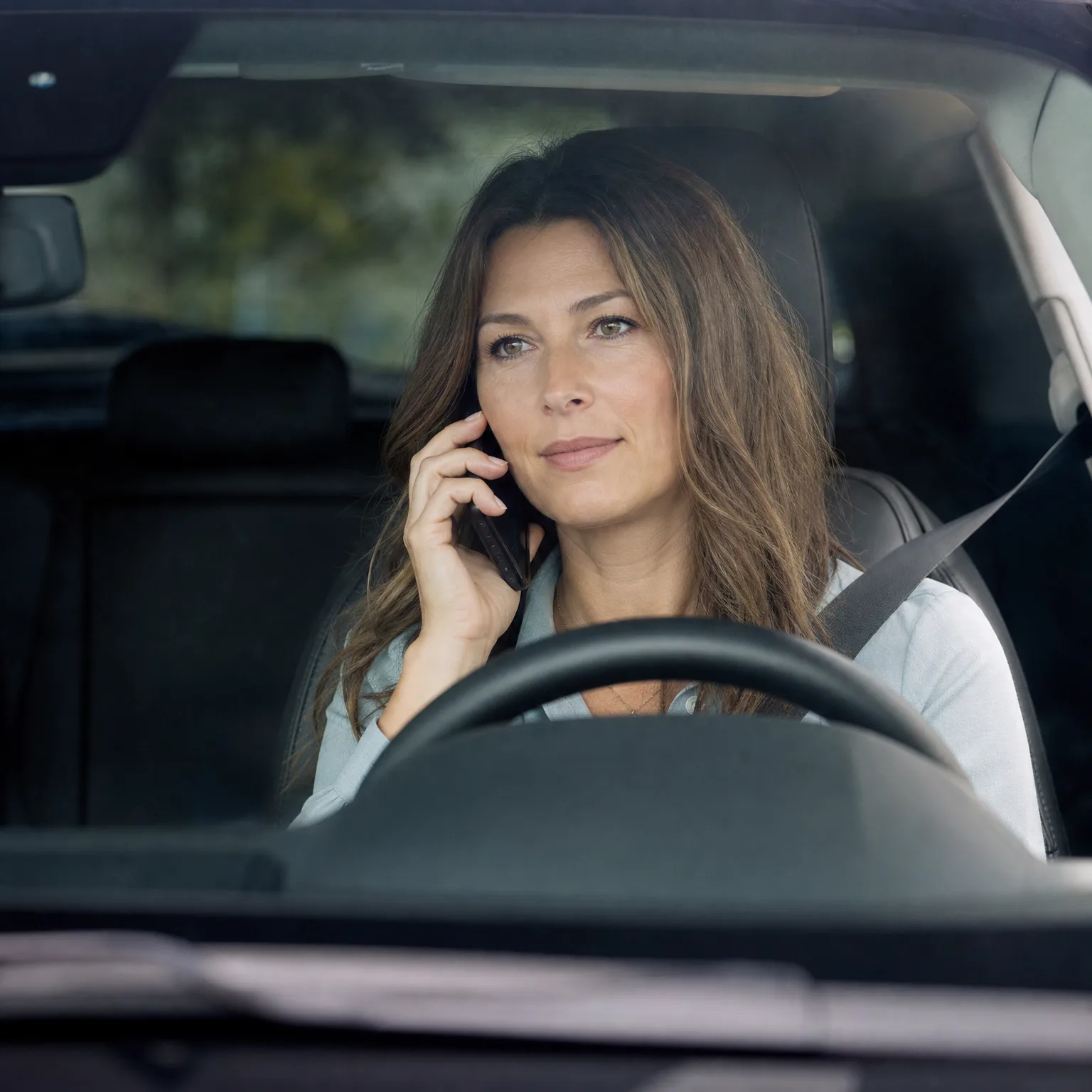
The lowest combined premium for your household depends on the number of vehicles you insure, the coverage level you choose for each vehicle, and the carrier's base rate and multi-car discount structure. Pennsylvania's mandatory PIP and liability minimums apply to every vehicle, and the multi-car discount reduces the combined cost — but the discount percentage alone does not tell you which carrier offers the lowest rate. Quote your household's exact vehicle count and coverage selections across multiple carriers, compare the final combined premiums, and choose the carrier that delivers the lowest total cost for the coverage you need. Use the site's comparison tool to see which carriers write multi-car policies in Pennsylvania and request quotes that reflect your household's actual structure.
How the Multi-Car Discount Works Against Pennsylvania's Coverage Floor
Pennsylvania's mandatory PIP and liability minimums create a baseline cost for each vehicle. When you add a second vehicle to your policy, the carrier calculates the premium for that vehicle based on its own attributes — year, make, model, garaging address, primary driver — then applies the multi-car discount to the combined total. The discount typically ranges from 10 to 25 percent, but the actual percentage varies by carrier and by the number of vehicles on the policy. A household with three vehicles may receive a larger discount than a household with two.
The discount applies only when every vehicle sits on the same policy. If you own three vehicles but one is titled to a household member on a separate policy, that vehicle does not count toward the multi-car discount on your policy. If you and your spouse each have a separate policy and you combine them after marriage, the combined policy qualifies for the multi-car discount — but the combined premium may be higher or lower than the sum of the two separate premiums, depending on how the carrier re-rates the household. Combining policies always triggers a full re-rating, not a simple addition of the two prior premiums.
Get Your Free Quote
Get My Pennsylvania Car Insurance QuoteFrequently Asked Questions
Does Pennsylvania require insurance on every vehicle I own?
Yes. Pennsylvania requires $15,000/$30,000/$5,000 liability plus personal injury protection on every registered vehicle. You cannot register a vehicle without proof of insurance, and the state monitors coverage through insurer cancellation notices.
How much does the multi-car discount save in Pennsylvania?
The multi-car discount reduces your combined premium, but the percentage varies by carrier and vehicle count. A smaller discount on a lower base rate can produce a lower combined premium than a larger discount on a higher base rate, so compare final premiums across carriers rather than discount percentages.
Can I insure vehicles garaged at different addresses on one policy?
Yes, but each vehicle is rated at its own garaging address. A vehicle garaged in Philadelphia costs more to insure than a vehicle garaged in a rural county, even on the same policy. Some carriers require all vehicles to be garaged at the same address to qualify for the multi-car discount.
What happens if I add a vehicle mid-term to my Pennsylvania policy?
Adding a vehicle mid-term re-rates the entire policy. The carrier recalculates the premium for all vehicles based on the new vehicle count and applies the multi-car discount to the new total. The increase is not simply the cost of the new vehicle; it reflects the re-rated total.
Do I need full coverage on every vehicle on a multi-car policy?
No. You can carry full coverage on newer or financed vehicles and minimum coverage on older vehicles you own outright. Mixing coverage levels on the same policy does not affect the multi-car discount, and the per-vehicle cost difference between full coverage and minimum coverage is larger than the discount.
Can I combine my policy with my spouse's policy after marriage?
Yes. Combining two policies after marriage qualifies for the multi-car discount, but the carrier re-rates the combined policy using the lower credit-based insurance score. The combined premium may be higher or lower than the sum of the two separate premiums, depending on the re-rating.