
Collision Coverage for Multiple Cars — Pennsylvania
Free to compare
When One Vehicle Needs Collision and the Others Do Not
The carrier quoted collision on both vehicles, and you assumed it was a package decision—either both get collision or neither does. That assumption costs you money every month, because collision coverage is elected and priced per vehicle, not per policy.
Pennsylvania law requires $15,000 per person and $30,000 per accident in bodily injury liability, plus $5,000 in property damage liability, but collision coverage is optional on every vehicle you own. You can carry collision on the sedan, decline it on the pickup, and keep both vehicles on the same policy without any coverage-structure penalty. The multi-car discount applies to the policy as a whole; it does not require identical coverage on every vehicle.
“Collision is elected per vehicle—declining it on one car does not affect the multi-car discount or raise the premium on another.”

Meet Pennsylvania's Requirements Without Overpaying
Get My Pennsylvania Car Insurance Quote$15,000 / $30,000 / $5,000
Pennsylvania Liability Minimums
Pennsylvania mandates $15,000 per person and $30,000 per accident in bodily injury liability, plus $5,000 in property damage liability. Personal injury protection is also required. Collision and comprehensive coverages are optional and priced separately for each vehicle on the policy.
Pennsylvania Department of Transportation
Collision Coverage Is Priced Per Vehicle, Not Per Policy
Collision coverage pays to repair or replace your vehicle after a crash, regardless of fault, minus the deductible you select. The premium for collision is calculated from the vehicle's actual cash value, age, repair cost, theft rate, and the deductible you choose—typically $500 or $1,000.
When you add a second or third vehicle to a Pennsylvania policy, the carrier prices collision separately for each one. You elect collision on a per-vehicle basis during the quoting process. Declining collision on the older, lower-value vehicle does not remove the multi-car discount from the policy, does not raise the collision premium on the newer vehicle, and does not trigger any coverage-structure penalty. The two decisions are independent.
Many households assume that because the vehicles share one policy, the coverage elections must match. That belief leads to one of two costly mistakes: carrying collision on vehicles whose value no longer justifies the premium, or declining collision on every vehicle to avoid the higher total cost, leaving the newer, higher-value car unprotected.
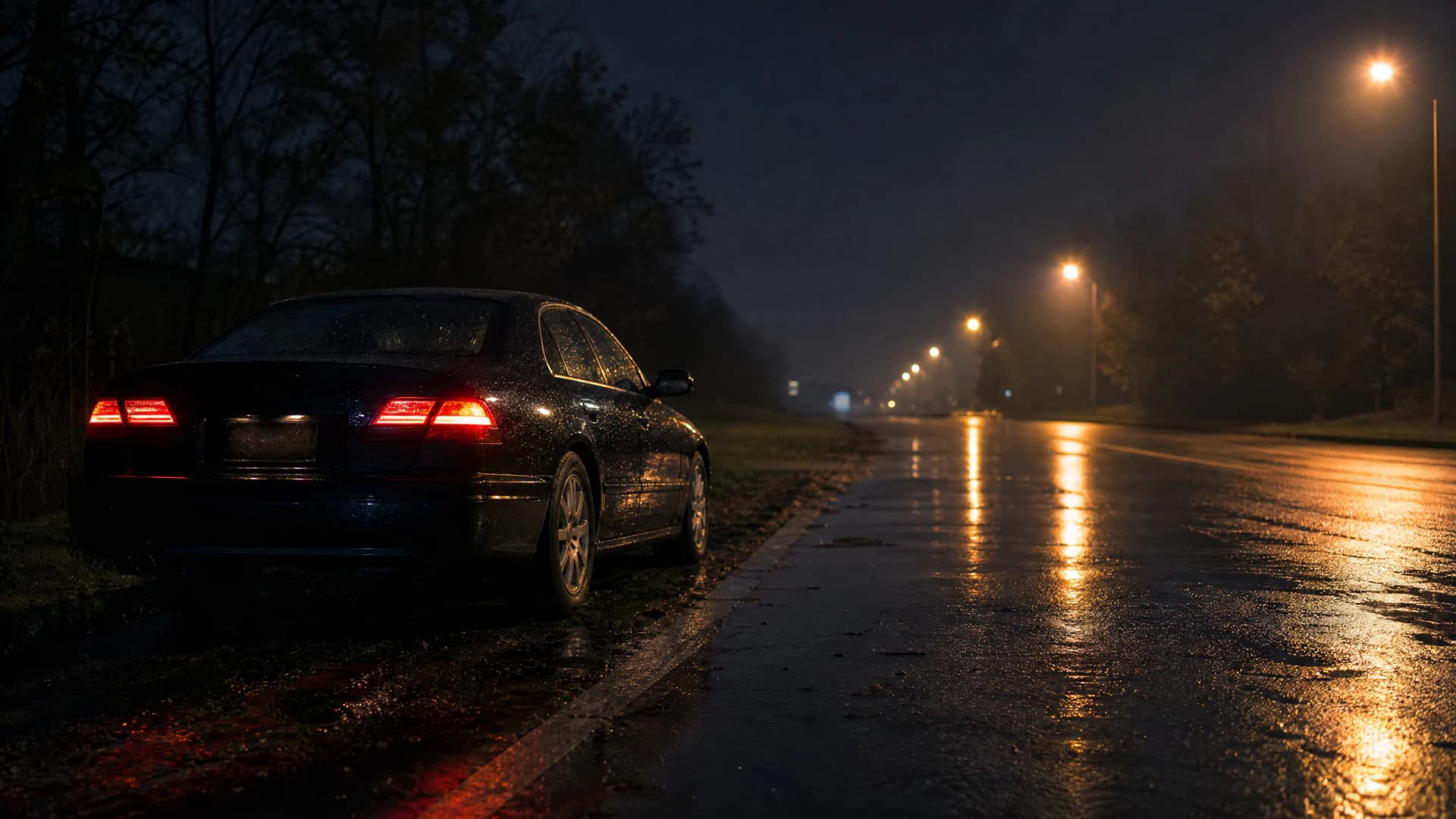
Collision is elected per vehicle. Declining it on one car does not affect the multi-car discount or the collision premium on another vehicle on the same policy.
Related Articles

Loan and Lease Requirements Override the Value Test
If you financed or leased any vehicle on the policy, the lender or leasing company requires collision and comprehensive coverage until the loan is paid off or the lease ends. That requirement appears in the financing contract and overrides the value-based decision framework. You cannot decline collision on a financed vehicle without breaching the loan agreement, which allows the lender to force-place coverage at a higher cost and add it to your loan balance.
When one vehicle on a multi-car policy is financed and another is owned outright, the financed vehicle carries collision because the lender mandates it, and the owned vehicle follows the value test. Pennsylvania law does not require collision on any vehicle, but the private financing contract does. Check your loan paperwork before declining collision on any financed car.
10,868,829
Registered Vehicles in Pennsylvania
Pennsylvania had 10,868,829 registered motor vehicles as of 2022, with 9,124,262 licensed drivers. Households insuring multiple vehicles represent a significant portion of the state's auto insurance market, and selective collision coverage is common when vehicle values differ.
Pennsylvania Department of Transportation

Deductible Selection Affects Per-Vehicle Premium
Collision coverage requires a deductible—the amount you pay out of pocket before the insurer covers the rest. A higher deductible lowers the monthly collision premium, because the insurer's exposure per claim decreases. A $1,000 deductible costs less per month than a $500 deductible on the same vehicle.
You can select different deductibles for different vehicles on the same policy. A newer, higher-value vehicle might carry a $500 deductible because you want lower out-of-pocket cost after a crash. An older vehicle that still justifies collision might carry a $1,000 deductible to reduce the monthly premium. The deductible choice is per vehicle, not per policy, just like the collision election itself.
Compare Carriers That Write Multi-Vehicle Policies in Pennsylvania
Collision premium varies by carrier even when the vehicle, driver, and deductible are identical. One carrier may price collision on a 2022 sedan at one rate while another prices it significantly higher, because each insurer uses its own claims data, repair-cost models, and risk algorithms. When you insure multiple vehicles, those per-vehicle pricing differences compound across the policy.
Pennsylvania licenses 30 carriers that write multi-vehicle policies, including Allstate, Erie, Geico, Nationwide, Progressive, State Farm, and USAA. Request quotes from at least three carriers, and provide identical vehicle details, coverage elections, and deductibles to each. Compare the total policy premium and the per-vehicle collision cost separately. Some carriers offer lower collision premiums on newer vehicles; others price older vehicles more favorably. The multi-car discount structure also varies—some carriers apply a larger discount when three or more vehicles sit on the same policy.
How to Structure Collision Across Multiple Vehicles
Start with the vehicle's actual cash value—the amount the insurer would pay after a total loss, not the amount you paid when you bought it. Request a valuation estimate from your carrier or check recent private-party sale prices for the same year, make, model, and mileage. Subtract your deductible from that figure. If the result is less than two years of collision premium, the coverage no longer delivers value, because you will pay more in premiums than you could recover in a claim.
Apply that test to each vehicle separately. Decline collision on the older vehicle and keep it on the newer one—the policy structure supports that choice without penalty.
Get Your Free Quote
Get My Pennsylvania Car Insurance QuoteFrequently Asked Questions
Can I carry collision on one vehicle and not another on the same Pennsylvania policy?
Yes. Collision coverage is elected and priced per vehicle, not per policy. You can carry collision on a newer, higher-value car and decline it on an older one without losing the multi-car discount or triggering any coverage penalty. The two decisions are independent.
Does Pennsylvania require collision coverage on any vehicle?
No. Pennsylvania requires $15,000/$30,000/$5,000 liability minimums and personal injury protection, but collision coverage is optional on every vehicle. If you financed or leased a vehicle, the lender or leasing company requires collision until the loan or lease ends, but state law does not mandate it.
How do I know if collision coverage is worth keeping on an older vehicle?
Request the vehicle's actual cash value from your carrier or check recent private-party sale prices for the same year, make, and mileage. Subtract your deductible from that figure. If the result is less than two years of collision premium, the coverage no longer delivers value, because you will pay more in premiums than you could recover after a total loss.
Can I use different deductibles for different vehicles on the same policy?
Yes. Pennsylvania carriers allow you to select a $500 deductible on one vehicle and a $1,000 deductible on another on the same policy. A higher deductible lowers the monthly collision premium because the insurer's per-claim exposure decreases. Choose the deductible that fits each vehicle's value and your out-of-pocket budget.
Does declining collision on one vehicle affect the multi-car discount?
No. The multi-car discount applies to the policy as a whole based on the number of vehicles insured, not on whether every vehicle carries identical coverage. Declining collision on an older vehicle does not remove or reduce the multi-car discount on the policy.