
Minimum Coverage vs Full Coverage — Pennsylvania
Free to compare
The Decision Every Multi-Car Household Faces
You own two or three cars. Pennsylvania requires $15,000 per person, $30,000 per accident in bodily injury liability, and $5,000 in property damage liability. You're deciding whether that minimum is enough, or whether you need collision and comprehensive — full coverage — on every vehicle, some vehicles, or none.
The structural reality: minimum liability protects other people from damage you cause. It does not repair your own cars. Full coverage adds collision (pays for damage to your car in a crash) and comprehensive (pays for theft, weather, vandalism). The question is not whether minimum is safer than full coverage — they protect different things. The question is whether the liability floor Pennsylvania sets is high enough for a household with multiple vehicles and the assets that come with them.
“Pennsylvania's $5,000 property damage minimum does not cover the cost of totaling a financed vehicle — the gap is your household's liability.”

Meet Pennsylvania's Requirements Without Overpaying
Get My Pennsylvania Car Insurance Quote$15,000 / $30,000 / $5,000
Pennsylvania Minimum Liability
Pennsylvania requires $15,000 per person, $30,000 per accident in bodily injury liability, and $5,000 in property damage liability. These are the lowest limits you can carry and legally register a vehicle in the state.
Pennsylvania Department of Transportation
What Minimum Liability Actually Covers
Minimum liability pays for damage you cause to other people and their property, up to the limits Pennsylvania sets. If you cause an accident, your liability coverage pays the other driver's medical bills up to $15,000 per person, $30,000 total per accident, and property damage up to $5,000.
Minimum liability does not pay to repair your own car. It does not cover your own medical bills. It does not pay if your car is stolen, hit by hail, or totaled by a deer. Those risks require collision and comprehensive coverage — the components of full coverage.
The $5,000 property damage limit is the structural weakness for multi-car households. If you cause that accident, your $5,000 property damage limit pays the first $5,000. Pennsylvania law allows that. Your household's other vehicles, your home equity, and your savings become the target.
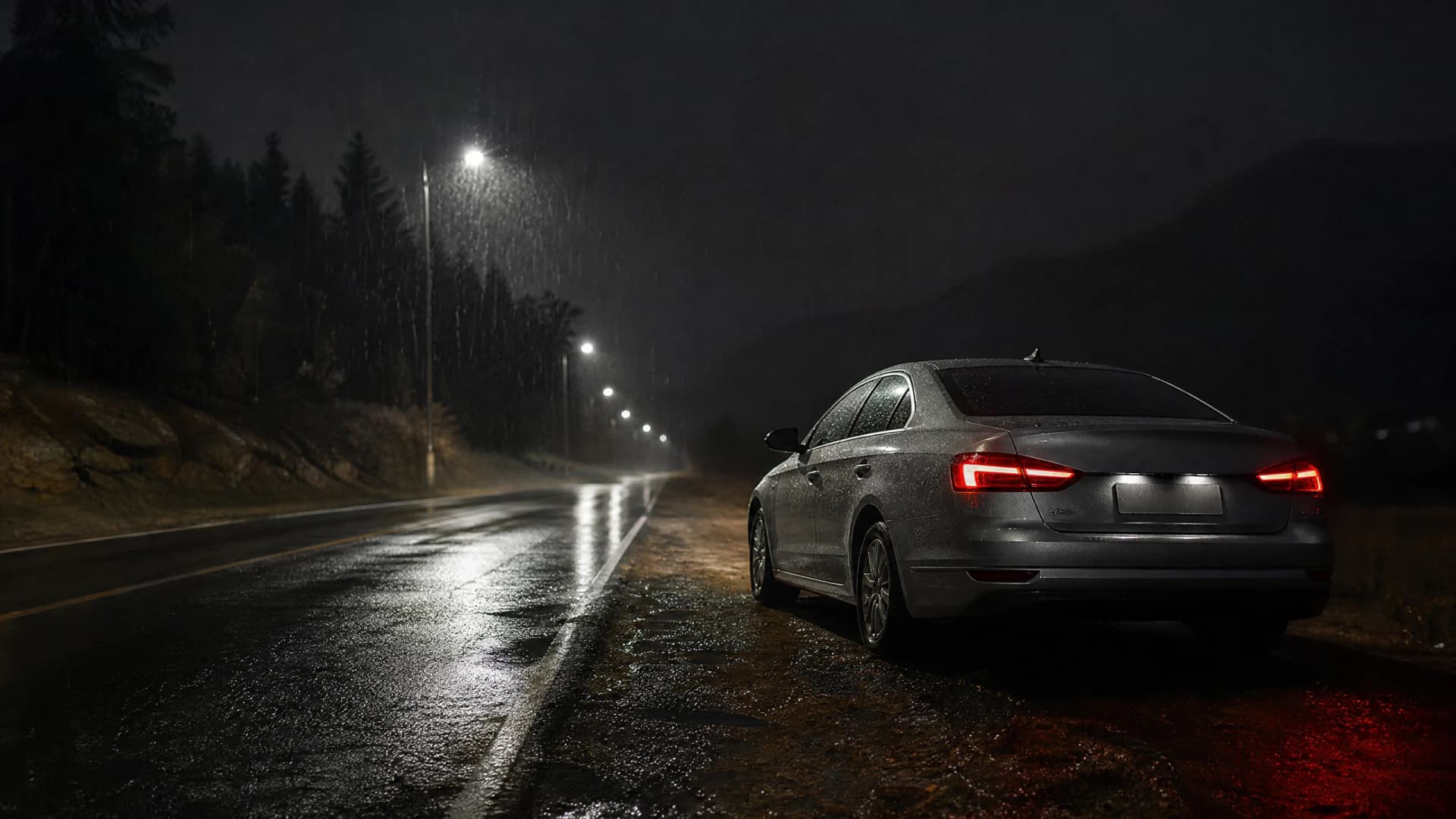
Pennsylvania's $5,000 property damage minimum does not cover the cost of totaling a financed vehicle — the gap is your household's liability.
Related Articles
Best Car Insurance Companies Pennsylvania
7/15/2026
Best Minimum Coverage Carriers Pennsylvania
7/15/2026
Liability vs Full Coverage for Multiple Cars
7/15/2026
Liability vs Full Coverage Multi-Car PA
7/15/2026
Full Coverage for Multiple Cars in PA
7/15/2026
Best Full Coverage for Multiple Cars in PA
7/15/2026

The Liability Floor and Multi-Car Household Risk
Pennsylvania's minimum liability limits were set decades ago. A household insuring multiple vehicles typically owns a home, holds savings, and has equity in the cars themselves. Those assets are visible to a plaintiff's attorney after an at-fault accident. If your liability coverage pays its limit and the other party's damages exceed that limit, they sue you personally. The judgment attaches to your household's assets.
Raising liability limits costs less than adding collision and comprehensive. The incremental cost is smaller than the risk of a lawsuit that reaches your home equity.
Full coverage protects your own cars. Higher liability limits protect your household's other assets. The two decisions are independent. The liability limit applies to every vehicle on the policy — it is not per-car.
11%
Pennsylvania Uninsured Motorist Rate
Eleven percent of Pennsylvania drivers carry no insurance. If an uninsured driver hits your car, your collision coverage pays to repair it. Without collision, you pay out of pocket or sue the uninsured driver — a process that rarely recovers the full amount.
Insurance Information Institute, 2023
Structuring Coverage Across Multiple Vehicles
A multi-car policy applies one liability limit to every vehicle. You do not buy separate liability for each vehicle. Collision and comprehensive, by contrast, are per-vehicle elections. You can carry full coverage on two cars and liability-only on the third. The premium reflects the coverage you select for each car.
Pennsylvania requires personal injury protection (PIP) on every vehicle unless you reject it in writing. PIP pays your own medical bills after an accident, regardless of fault, up to the limit you select. The minimum PIP limit is $5,000. Rejecting PIP is rare — most households keep it because Pennsylvania's minimum bodily injury liability does not cover your own injuries.
Compare Carriers That Write Multi-Car Policies in Pennsylvania
Pennsylvania's multi-car discount applies when you insure two or more vehicles on the same policy. The discount size varies by carrier. Some carriers write better rates for households with older vehicles on liability-only; others price full coverage more competitively. The only way to know which carrier offers the best rate for your household's specific mix of vehicles and coverage is to compare quotes with the same coverage structure across carriers.
Request quotes with your actual liability limits, not just Pennsylvania's minimum. Specify which vehicles carry collision and comprehensive and which carry liability-only. Compare both the coverage and the carrier at the same time.
When Full Coverage Makes Sense for Multi-Car Households
If any vehicle in your household is financed or leased, the lender requires collision and comprehensive until the loan is paid off. You do not have a choice on that car. The question is whether to carry full coverage on the vehicles you own outright. The conventional threshold: if the vehicle is worth more than ten times the annual cost of collision and comprehensive, full coverage makes sense. If the vehicle is worth less, you are paying more in premiums over the vehicle's remaining life than you would recover in a total-loss claim.
A household insuring three vehicles can structure coverage differently across the cars. The truck's replacement cost is low enough that paying collision and comprehensive premiums for three years exceeds the vehicle's value. If the truck is totaled, you replace it out of pocket. The sedan and SUV are protected.
Get Your Free Quote
Get My Pennsylvania Car Insurance QuoteFrequently Asked Questions
Is minimum liability enough for a household with two cars in Pennsylvania?
Pennsylvania's $15,000/$30,000/$5,000 minimum liability protects other people from damage you cause, but the $5,000 property damage limit does not cover the cost of totaling a newer vehicle.
Do I need full coverage on every car if I own three vehicles?
No. Full coverage is collision plus comprehensive plus liability. If a vehicle is financed or leased, the lender requires full coverage. For vehicles you own outright, the decision depends on the vehicle's value. A household can carry full coverage on high-value cars and liability-only on older vehicles worth less than the cost of collision and comprehensive premiums over the vehicle's remaining life.
Does Pennsylvania require collision and comprehensive coverage?
No. Pennsylvania requires liability coverage and personal injury protection (PIP) unless you reject PIP in writing. Collision and comprehensive are optional unless your lender or lessor requires them. Minimum liability is $15,000 per person, $30,000 per accident in bodily injury, and $5,000 in property damage.
What is the difference between minimum coverage and full coverage in Pennsylvania?
Minimum coverage is Pennsylvania's required liability limits: $15,000/$30,000/$5,000. It pays for damage you cause to others. Full coverage is minimum liability plus collision (pays to repair your car after a crash) and comprehensive (pays for theft, weather, vandalism). Full coverage protects your own vehicle; minimum liability does not.
How much does it cost to raise liability limits on a multi-car policy in Pennsylvania?
The exact amount varies by carrier, driving history, and location. Request quotes with higher liability limits to compare the cost difference for your household's specific situation.
Can I carry different coverage on each car on a multi-car policy?
Yes. Liability limits apply to the entire policy — every vehicle is covered by the same liability limit. Collision and comprehensive are per-vehicle elections. You can carry full coverage on two cars and liability-only on a third. The premium reflects the coverage you select for each vehicle.