
Liability vs Full Coverage — Pennsylvania
Free to compare
The Multi-Car Coverage Decision
You own two or more vehicles in Pennsylvania and you're trying to figure out whether every car on your policy needs full coverage or if you can drop collision and comprehensive on one or more of them. The answer depends on what each vehicle is worth, how you use it, and whether you're still making payments on it.
Pennsylvania law requires every registered vehicle to carry at least $15,000 per person and $30,000 per accident in bodily injury liability, $5,000 in property damage liability, and personal injury protection. Those minimums apply to every car on your policy. Full coverage — liability plus collision and comprehensive — is optional unless your lender requires it. The decision you're making is whether the optional pieces are worth the cost for each specific vehicle.
“You can carry full coverage on one vehicle and liability-only on another — Pennsylvania law requires minimum liability and PIP on every car, but collision and comprehensive are your choice.”
Meet Pennsylvania's Requirements Without Overpaying
Get My Pennsylvania Car Insurance Quote$15,000/$30,000/$5,000
Pennsylvania Minimum Liability
Every vehicle registered in Pennsylvania must carry at least $15,000 per person and $30,000 per accident in bodily injury liability plus $5,000 in property damage liability. Personal injury protection is also mandatory.
Pennsylvania Department of Transportation
What Full Coverage Actually Adds
Full coverage means liability plus collision and comprehensive. Collision pays to repair or replace your vehicle after an accident you cause or a single-vehicle crash. Comprehensive pays for damage from theft, vandalism, weather, fire, or hitting an animal. Both coverages pay only up to the actual cash value of the vehicle minus your deductible.
Liability-only coverage meets Pennsylvania's legal requirements but leaves you paying out of pocket to repair or replace your own vehicle after an at-fault accident or comprehensive loss. If the vehicle is financed, your lender will require full coverage until the loan is paid off.
The structural reality: you do not have to apply the same coverage tier to every vehicle on your policy. Pennsylvania law requires every car to carry the state minimum liability and PIP. Beyond that, you can carry full coverage on one vehicle and liability-only on another, as long as each meets the state floor.
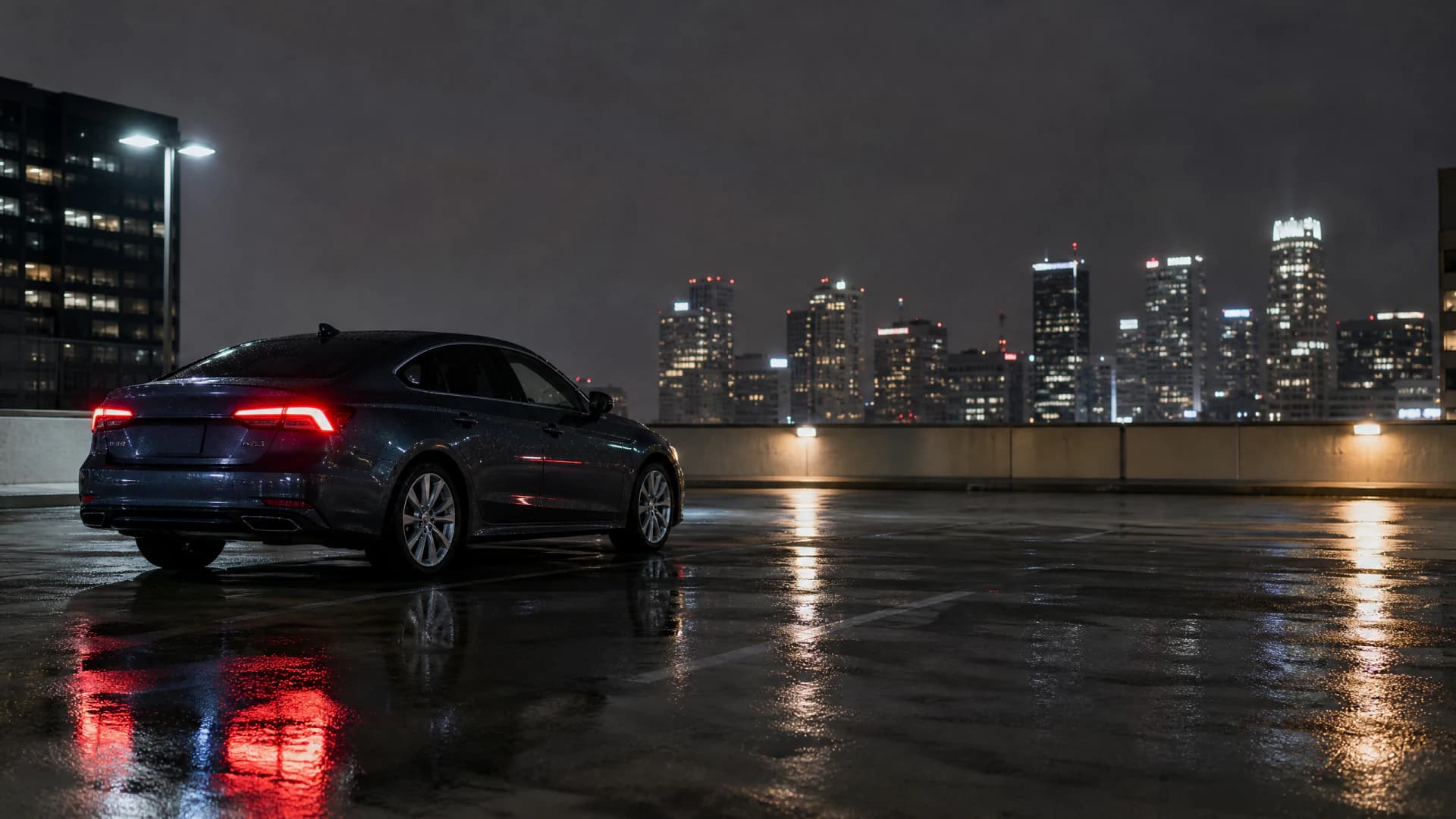
You can mix coverage tiers across vehicles on the same policy — full coverage on newer cars, liability-only on older ones — as long as every vehicle meets Pennsylvania's minimum liability and PIP requirements.
Related Articles



When Liability-Only Is Enough
Liability-only coverage makes sense when the vehicle is paid off and its value is low enough that you could replace it out of pocket without financial strain.
Older vehicles driven infrequently — a third car used only for errands, a project vehicle, or a car driven by a household member who also has access to another vehicle — are common candidates for liability-only coverage. The vehicle still needs Pennsylvania's minimum liability and PIP, but dropping collision and comprehensive reduces the policy cost without leaving the household underinsured on the vehicles that matter most.
One structural quirk: if you drop full coverage on a financed vehicle without the lender's permission, the lender will force-place its own collision coverage on the loan and bill you for it at a much higher rate than you'd pay by keeping your own policy's collision in place. Never drop full coverage on a financed vehicle until the loan is paid off.
10,868,829
Registered Vehicles in Pennsylvania
Pennsylvania had 10,868,829 registered motor vehicles as of 2022. Households insuring multiple vehicles make up a significant portion of that total, and structuring coverage efficiently across those vehicles directly affects the policy cost.
Pennsylvania Department of Transportation, 2022

How Mixing Coverage Affects Your Premium
When you carry full coverage on one vehicle and liability-only on another, the policy premium reflects the difference. Collision and comprehensive together typically cost more than liability and PIP combined, so dropping those coverages on a low-value vehicle reduces the total policy cost. The multi-car discount applies to the entire policy regardless of how coverage is structured — you do not lose the discount by mixing tiers.
Carriers re-rate the entire policy whenever you add or remove a vehicle or change coverage on an existing one. If you drop collision and comprehensive on one car mid-term, the carrier recalculates the premium from that date forward and issues a prorated refund or adjusts your next bill. Adding full coverage to a vehicle that previously carried liability-only increases the premium immediately, also prorated from the change date.
Compare Carriers That Write Multi-Vehicle Policies
Pennsylvania has 29 carriers writing personal auto policies in the state, and not all of them price multi-vehicle policies the same way. Some carriers offer larger multi-car discounts; others have lower base rates that offset a smaller discount. The way a carrier prices collision and comprehensive on older vehicles varies — some carriers drop the premium sharply as vehicle value declines, while others keep it relatively flat.
Compare quotes from at least three carriers that write multi-vehicle policies in Pennsylvania. Provide accurate vehicle values, annual mileage, and garaging addresses for every car on the policy. Ask each carrier to quote both full coverage on every vehicle and a mixed structure with liability-only on your lowest-value cars. The difference in total policy cost will show you whether mixing coverage tiers saves money with that specific carrier.
When Full Coverage Makes Sense
If you're still making payments on the vehicle, your lender will require collision and comprehensive until the loan is paid off. If you cannot afford to replace the vehicle out of pocket after a total loss, full coverage protects that asset.
For households with multiple vehicles, the newest or highest-value car typically carries full coverage while older paid-off vehicles drop to liability-only. The 2022 carries full coverage; the 2012 carries liability and PIP only. The multi-car discount applies to the entire policy regardless of how coverage is structured across vehicles.
Get Your Free Quote
Get My Pennsylvania Car Insurance QuoteFrequently Asked Questions
Can I have full coverage on one car and liability-only on another on the same Pennsylvania policy?
Yes. Pennsylvania law requires every vehicle on your policy to carry at least $15,000/$30,000/$5,000 liability and personal injury protection, but collision and comprehensive are optional. You can carry full coverage on your newer vehicle and liability-only on an older paid-off car as long as both meet the state minimum.
Does mixing coverage tiers affect my multi-car discount in Pennsylvania?
No. The multi-car discount applies to the entire policy regardless of how you structure coverage across vehicles. Dropping collision and comprehensive on one car reduces your premium, but it does not eliminate the discount as long as all vehicles remain on the same policy.
What happens if I drop full coverage on a financed vehicle in Pennsylvania?
Your lender will force-place its own collision coverage on the loan and bill you for it at a much higher rate than your own policy would cost. Never drop full coverage on a financed vehicle until the loan is paid off.
How do I know if my vehicle is worth keeping full coverage in Pennsylvania?
If the vehicle is worth more than ten times your annual collision premium and you cannot afford to replace it out of pocket, full coverage usually makes sense. If the vehicle is worth less than a few thousand dollars and you could replace it without financial strain, liability-only may be enough.
Do all Pennsylvania carriers allow me to mix coverage tiers on a multi-car policy?
Yes. Every carrier writing personal auto policies in Pennsylvania allows you to structure coverage differently across vehicles on the same policy, as long as every vehicle meets the state's minimum liability and PIP requirements. Compare quotes to see which carrier prices that structure most favorably.