
Gap Insurance Requirements — Pennsylvania
Free to compare
Gap Insurance Is Not a Pennsylvania State Requirement
Pennsylvania does not require gap insurance by statute. The state mandates liability coverage at $15,000 per person, $30,000 per accident for bodily injury, and $5,000 for property damage, plus personal injury protection. Gap insurance does not appear in Pennsylvania's financial responsibility law or vehicle registration requirements.
The confusion arises because lenders and lessors impose gap insurance as a contract requirement when you finance a vehicle. That requirement originates from the finance agreement, not Pennsylvania law. If you own your vehicles outright or your loan balance sits below the vehicle's current cash value, no entity can compel you to carry gap insurance.
“The gap requirement comes from your finance contract, not Pennsylvania law—if you pay cash or your loan balance is below the vehicle's value, no one can force you to buy it.”

Meet Pennsylvania's Requirements Without Overpaying
Get My Pennsylvania Car Insurance Quote$15,000 / $30,000 / $5,000
Pennsylvania Minimum Liability
Pennsylvania requires $15,000 bodily injury per person, $30,000 per accident, and $5,000 property damage. Gap insurance is not part of this minimum coverage set and does not satisfy any state registration or proof-of-insurance requirement.
75 Pa.C.S. §1786
When Lenders Require Gap Coverage on Financed Vehicles
Lenders require gap insurance when the loan principal exceeds the vehicle's actual cash value at the time of financing. This happens most often when you finance close to the full purchase price with little or no down payment, or when you roll negative equity from a trade-in into the new loan. The lender's collateral is the vehicle, and if that vehicle is totaled before the loan balance depreciates to match its market value, the lender faces a shortfall.
Gap insurance covers the difference between what your collision or comprehensive policy pays at total loss and what you still owe the lender. Without it, you remain personally liable for that gap even after the vehicle is gone. Lenders protect themselves by writing gap coverage into the finance contract as a mandatory condition of the loan.
If you finance multiple vehicles in your household, each financed vehicle triggers its own lender evaluation. The requirement is vehicle-specific and loan-specific, not household-wide.
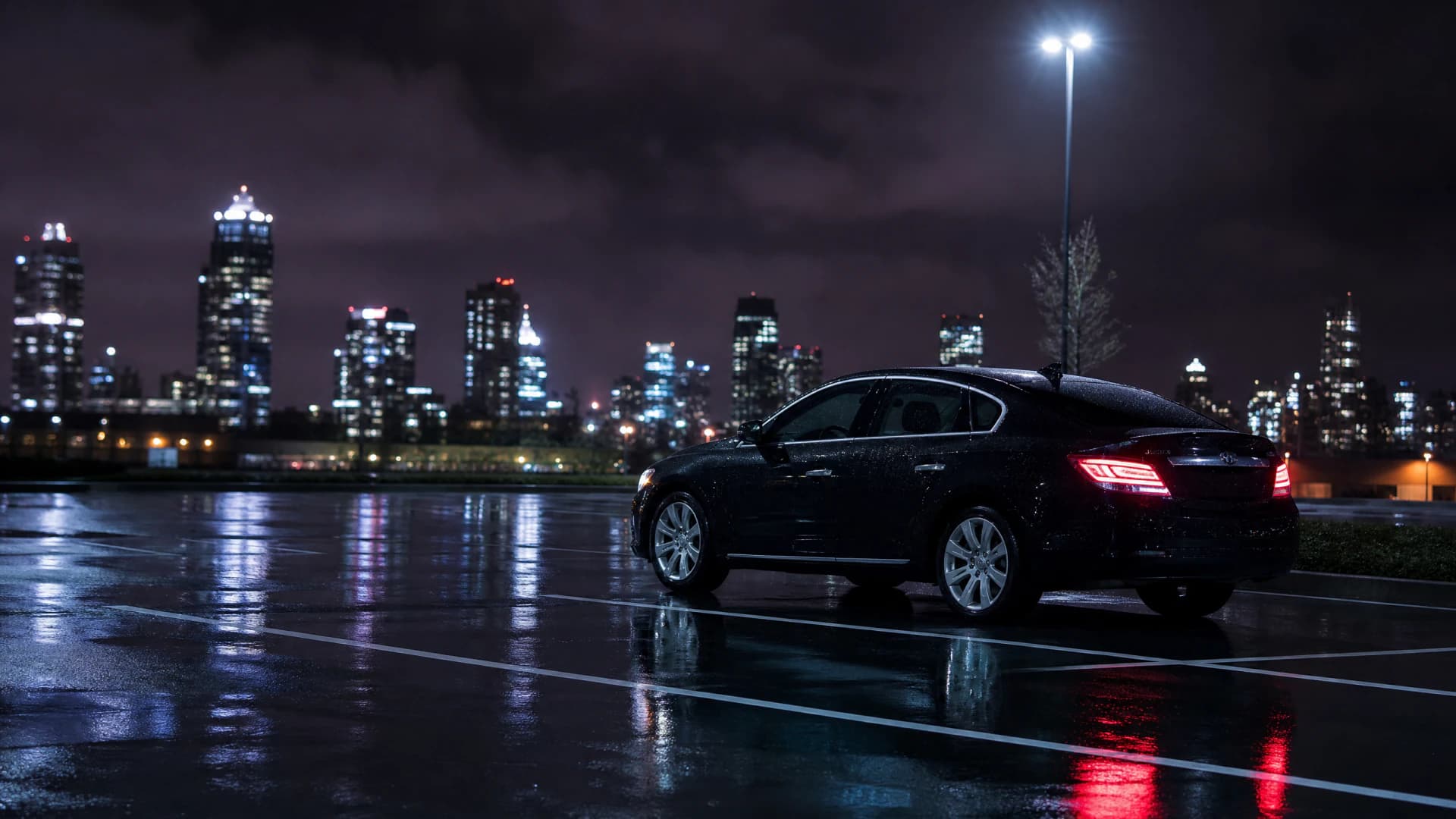
The gap requirement comes from your finance contract, not Pennsylvania law. If you pay cash or your loan balance is below the vehicle's value, no one can force you to buy it.
Related Articles




Gap Coverage Decision Points for Multi-Vehicle Households
Households financing multiple vehicles face a compounding gap-coverage cost.
The math favors the carrier endorsement when available.
Not all carriers write gap coverage, and not all will write it on every vehicle. Check gap availability before you finalize the loan.
9,124,262
Pennsylvania Licensed Drivers
Pennsylvania has 9.1 million licensed drivers and 10.9 million registered vehicles, meaning many households insure multiple vehicles. Each financed vehicle in a multi-car household triggers its own gap-coverage decision.
FHWA Highway Statistics 2022

When You Can Drop Gap Insurance
You can drop gap insurance when your loan balance falls below the vehicle's actual cash value. This happens naturally as you pay down the loan and the vehicle depreciates, but the crossover point varies by vehicle type, down payment, and loan term. A vehicle financed with 20 percent down may reach parity within 18 months.
Check your loan balance and the vehicle's current market value annually. When the loan balance is lower than the vehicle's value, contact your carrier and request removal of the gap endorsement. If you purchased a standalone gap policy from the lender, most lender gap policies are non-refundable once financed into the loan, even if you reach parity early. Carrier-issued gap endorsements are cancellable mid-term with a prorated refund.
Compare Carriers That Write Gap Coverage in Pennsylvania
When you add a financed vehicle to your multi-car policy, confirm gap-coverage availability before you bind. Carriers that write gap endorsements in Pennsylvania include Allstate, Progressive, Nationwide, and Travelers. Geico, State Farm, and USAA do not offer gap coverage in Pennsylvania as of current product filings. If your current carrier does not write gap insurance, compare carriers that do before accepting the lender's standalone gap policy.
Request gap-coverage quotes from at least two carriers that write multi-car policies in Pennsylvania. The gap endorsement cost is a flat annual fee, but the underlying collision and comprehensive premiums vary significantly by carrier. Compare the total annual cost, not the gap fee in isolation.
How Gap Insurance Works Across Multiple Vehicles
Gap insurance is a per-vehicle product. If you finance three vehicles and two have loan balances above their depreciated values, you need gap coverage on those two vehicles only. The third vehicle, if owned outright or financed below its value, does not need gap coverage. Your auto insurance carrier adds gap as an endorsement to each vehicle's collision and comprehensive coverage, or you purchase a standalone gap policy from the lender or a third-party gap provider.
Carriers that write gap coverage in Pennsylvania include Allstate, Progressive, Nationwide, and Travelers. Not every carrier offers gap insurance, and those that do price it as a flat annual fee or a small percentage of your collision and comprehensive premium. When you add a financed vehicle to an existing multi-car policy, confirm whether the carrier offers gap coverage before binding the policy. If your carrier does not offer it, the lender will sell you a standalone gap policy at a higher cost, often financed into the loan itself.
Get Your Free Quote
Get My Pennsylvania Car Insurance QuoteFrequently Asked Questions
Does Pennsylvania require gap insurance on financed vehicles?
No. Pennsylvania does not mandate gap insurance by statute. Lenders require gap insurance as a contract condition when your loan balance exceeds the vehicle's depreciated value, but that requirement originates from the finance agreement, not state law.
Can I buy gap insurance from my auto insurance carrier in Pennsylvania?
Yes, if your carrier offers it. Allstate, Progressive, Nationwide, and Travelers write gap endorsements in Pennsylvania.
What happens if my carrier does not offer gap insurance?
You must purchase a standalone gap policy from the lender or a third-party gap provider.
Do I need gap insurance on every vehicle in my household?
No. Gap insurance applies per vehicle, not per household. You need gap coverage only on vehicles where the loan balance exceeds the vehicle's current cash value. Vehicles owned outright or financed below their value do not need gap insurance.
When can I cancel gap insurance in Pennsylvania?
You can cancel gap insurance when your loan balance falls below the vehicle's actual cash value. Carrier-issued gap endorsements are cancellable mid-term with a prorated refund. Lender standalone gap policies are typically non-refundable once financed into the loan.
Does gap insurance count toward Pennsylvania's minimum coverage requirement?
No. Pennsylvania requires $15,000/$30,000/$5,000 liability coverage plus personal injury protection. Gap insurance does not satisfy any state minimum coverage requirement and is not part of Pennsylvania's financial responsibility law.