
Car Insurance Coverage Limits — Pennsylvania
Free to compare
The Coverage Gap Multi-Car Households Hit
You just added a second vehicle to your Pennsylvania policy and assumed your liability coverage doubled. It didn't. Pennsylvania's minimum liability limits are $15,000 per person for bodily injury, $30,000 per accident, and $5,000 for property damage — but those caps apply per accident, not per vehicle. When you insure two cars on one policy at state minimums, both vehicles share the same $30,000 bodily injury cap and the same $5,000 property damage cap in any single accident.
That structure works for a household with one car. It leaves multi-car households underinsured the moment a second vehicle joins the policy, because the liability exposure scales with vehicle count but the coverage ceiling does not.
“Pennsylvania's per-accident liability cap stays fixed when you add a second vehicle — both cars share the same $30,000 ceiling.”

Meet Pennsylvania's Requirements Without Overpaying
Get My Pennsylvania Car Insurance Quote$30,000
PA Per-Accident Bodily Injury Cap
Pennsylvania's minimum liability policy pays up to $30,000 total for all bodily injuries in a single accident, regardless of how many vehicles sit on the policy. Adding a second or third car does not raise that cap.
Pennsylvania Department of Transportation
Why Per-Accident Caps Don't Scale With Vehicle Count
Liability insurance attaches to the policy, not to each individual vehicle. When you add a second car, the carrier rates that vehicle separately — your premium goes up — but the per-accident bodily injury and property damage limits stay exactly where you set them. A household insuring three vehicles at 15/30/5 minimums carries the same $30,000 bodily injury cap as a household insuring one vehicle at those minimums.
The risk exposure does not stay the same. More vehicles mean more drivers, more trips, more miles, and statistically more accident exposure. A multi-car household that causes a serious accident faces the same medical bills and property damage claims as a single-car household, but the likelihood of that accident occurring rises with each additional vehicle on the road.
Pennsylvania law requires you to carry 15/30/5 minimums to register a vehicle. It does not require you to stop there. The minimums are a floor, not a recommendation, and they were written decades before multi-car households became the statistical norm.
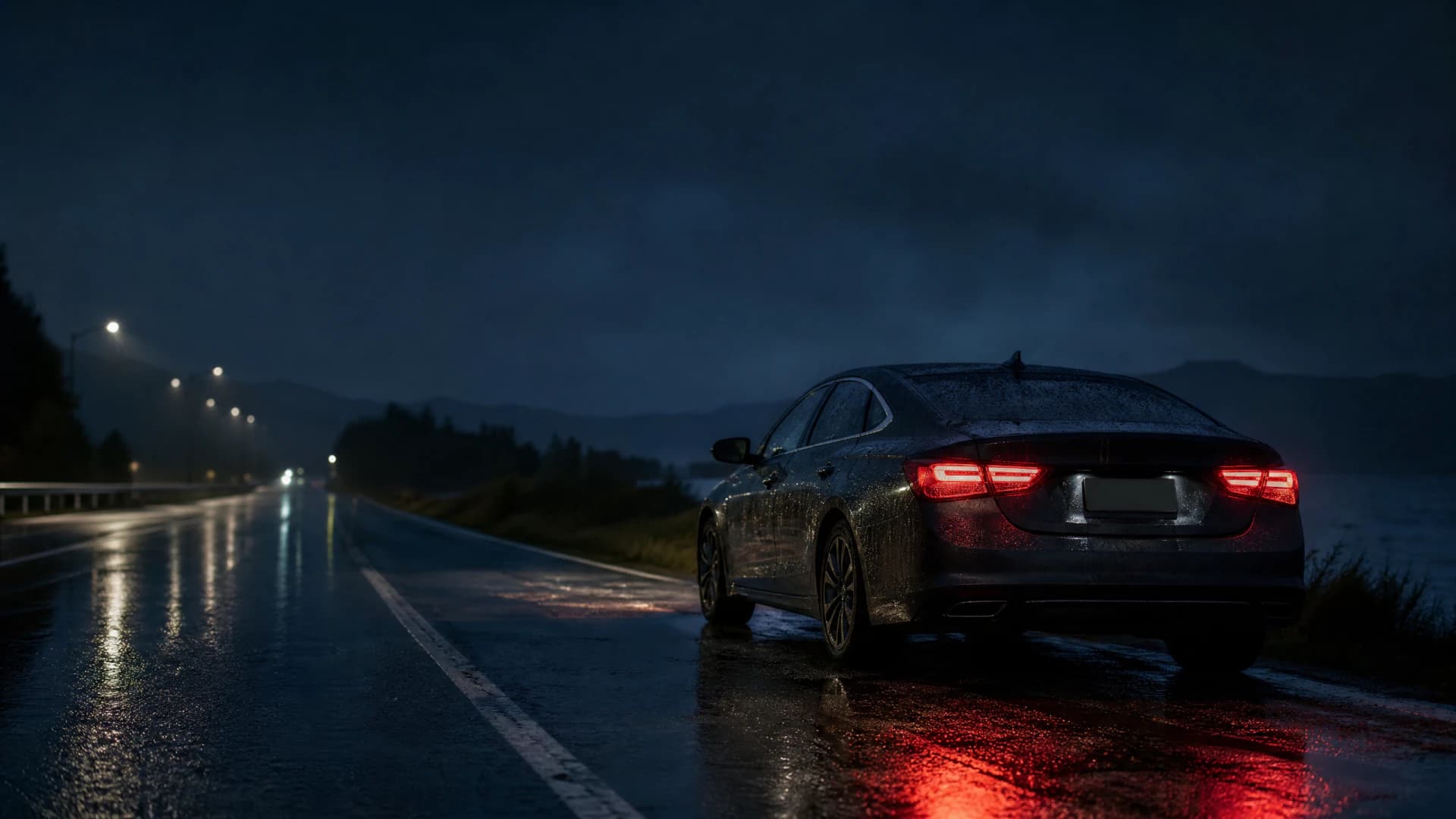
Your per-accident liability cap does not increase when you add a second vehicle — both cars share the same $30,000 bodily injury ceiling and the same $5,000 property damage ceiling.
Related Articles
When Property Damage Limits Become the Binding Constraint
Pennsylvania's $5,000 property damage minimum was set when vehicles cost less and repair bills were lower. In 2025, $5,000 does not cover the damage from a serious collision. A totaled vehicle, a damaged guardrail, a utility pole, or a storefront easily exceeds that cap. When your property damage coverage runs out, you pay the difference out of pocket, and the injured party can sue for the remainder.
Multi-car households face higher property damage exposure because they're statistically more likely to be involved in an accident that damages another vehicle or structure. The incremental cost is minimal — property damage coverage is the cheapest component of a liability policy — and it eliminates the risk of a five-figure out-of-pocket bill after an accident your liability coverage should have handled.
When you compare carriers, ask for quotes at 100/300/100 minimums and compare the per-vehicle cost.
10,868,829
Registered Vehicles in PA
Pennsylvania had 10,868,829 registered motor vehicles in 2022, with 9,124,262 licensed drivers — a ratio that reflects the prevalence of multi-car households and the higher per-household accident exposure that comes with insuring more than one vehicle.
Pennsylvania Department of Transportation, 2022

Uninsured Motorist Coverage and Multi-Car Policies
Pennsylvania does not mandate uninsured motorist coverage, but 11% of Pennsylvania drivers carry no insurance. When an uninsured driver hits your vehicle, your liability coverage does nothing — it only pays for damage you cause to others. Uninsured motorist coverage pays for your injuries and your passengers' injuries when the at-fault driver has no insurance or insufficient insurance to cover your medical bills.
Multi-car households benefit disproportionately from uninsured motorist coverage because the statistical likelihood of an uninsured-driver collision rises with the number of vehicles and drivers in the household. Adding uninsured motorist coverage at the same limits as your liability policy — 100/300 if you carry 100/300/100 liability — costs a fraction of your total premium and eliminates the risk that an uninsured driver's mistake leaves your household with uncovered medical bills.
Compare Carriers That Write Multi-Car Policies in Pennsylvania
Twenty-six carriers write auto insurance in Pennsylvania, and their liability-tier pricing varies significantly for multi-car households. Pennsylvania's carrier roster includes State Farm, Geico, Progressive, Allstate, Erie, Nationwide, and USAA, among others. Each prices the multi-car discount differently, and each structures liability-tier pricing differently. A carrier that offers the lowest rate at state minimums may not offer the lowest rate at 100/300/100, and a carrier that prices one vehicle competitively may price two vehicles less competitively once the multi-car discount applies.
Request quotes at the liability limits that match your household's asset exposure, not at state minimums. Compare the total annual cost for all vehicles on the policy, and verify that every vehicle qualifies for the multi-car discount. Most carriers require every vehicle to sit on the same policy and share a garaging address for the discount to apply. If a household member's car is titled separately or garaged elsewhere, that vehicle may not qualify, and the policy may not deliver the savings you expected.
How Multi-Car Households Structure Adequate Liability
Start by evaluating your household's total asset exposure. If you own a home, have retirement accounts, or carry any savings a lawsuit could reach, your liability limits should reflect that. A $30,000 bodily injury cap disappears in seconds in a serious accident — emergency room bills, surgery, rehabilitation, and lost wages routinely exceed six figures. The at-fault driver's insurance pays first; when it runs out, the injured party can pursue your assets directly.
Most carriers writing Pennsylvania offer 50/100/50, 100/300/100, and 250/500/100 liability tiers. The middle tier — 100/300/100 — is the most common choice for multi-car households that own property. The cost difference between 15/30/5 and 100/300/100 is smaller than the cost of adding the second vehicle in the first place, because liability coverage is cheap relative to collision and comprehensive.
Get Your Free Quote
Get My Pennsylvania Car Insurance QuoteFrequently Asked Questions
Do I need higher liability limits if I insure two cars in Pennsylvania?
Yes. Pennsylvania's minimum 15/30/5 limits apply per accident, not per vehicle. When you add a second car, both vehicles share the same $30,000 bodily injury cap and $5,000 property damage cap. Multi-car households typically raise limits to 100/300/100 to match their higher accident exposure and asset risk.
Does adding a second vehicle increase my liability coverage automatically?
No. Adding a second vehicle raises your premium because the carrier rates that vehicle separately, but your per-accident liability caps stay exactly where you set them. You must manually raise your bodily injury and property damage limits to increase coverage.
What liability limits should a Pennsylvania household with two cars carry?
This tier costs incrementally more than state minimums and closes the coverage gap that opens when you add a second vehicle.
Why is Pennsylvania's $5,000 property damage minimum too low for multi-car households?
$5,000 does not cover the cost of totaling another vehicle, damaging a structure, or hitting a utility pole. Multi-car households face higher property damage exposure because more vehicles mean more accident likelihood.
Should I add uninsured motorist coverage to a multi-car policy in Pennsylvania?
Yes. Eleven percent of Pennsylvania drivers carry no insurance. Uninsured motorist coverage pays your medical bills when an uninsured driver hits your vehicle. Multi-car households benefit more because their accident exposure rises with vehicle count. Adding UM coverage at your liability limits costs a small fraction of total premium.
Do all Pennsylvania carriers offer the same multi-car discount?
No. Carriers price the multi-car discount differently, and a carrier that offers the lowest rate at state minimums may not offer the lowest rate at higher liability limits. Compare quotes at the liability tier you actually need — typically 100/300/100 — and verify every vehicle qualifies for the discount.