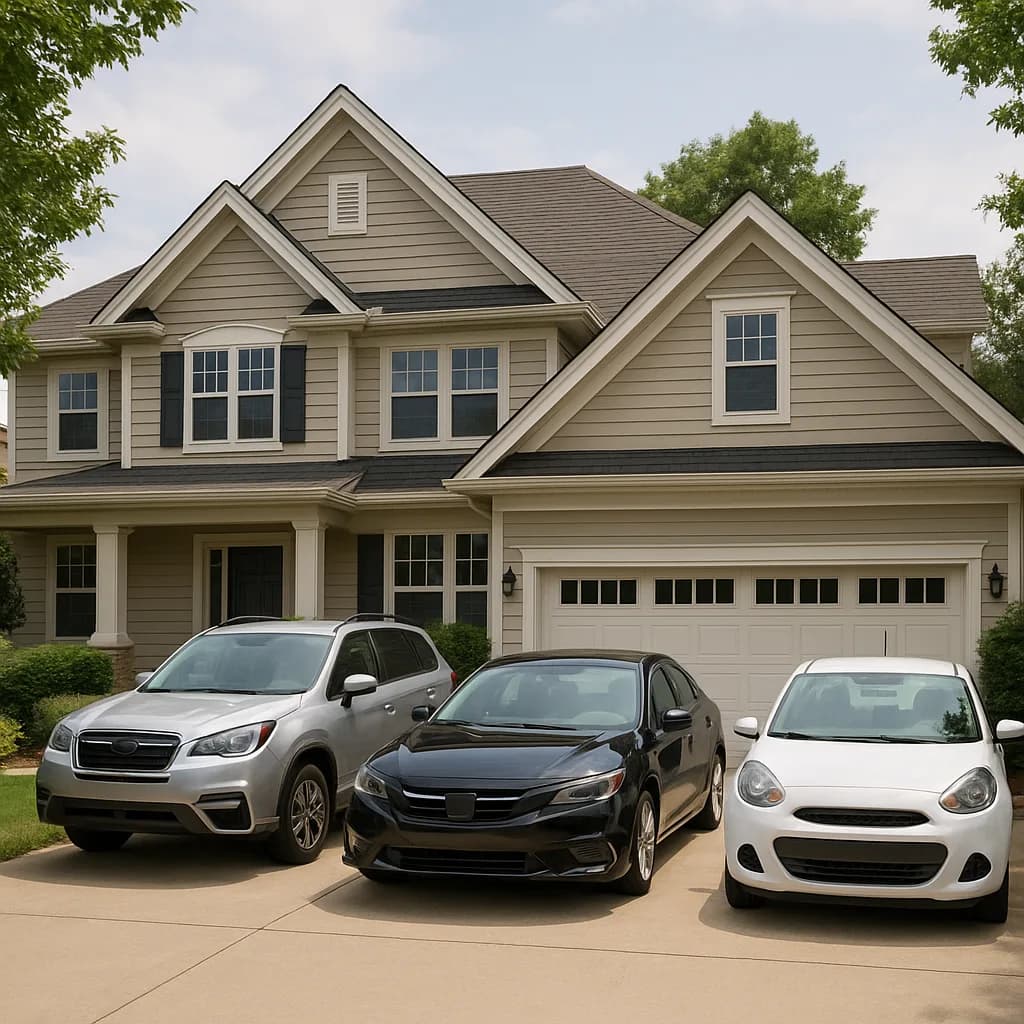
When Geico's Multi-Car Discount Wins and When It Doesn't
You own two cars, you're shopping Geico, and you're trying to figure out whether putting both vehicles on one Geico policy actually costs less than splitting them across two carriers. Geico advertises a multi-car discount, but the discount only applies when every vehicle sits on the same policy, and the base rate Geico quotes for your household can be higher or lower than competitors depending on your zip code, driving record, and vehicle profile.
Pennsylvania requires $15,000 bodily injury per person, $30,000 per accident, $5,000 property damage, and personal injury protection on every registered vehicle. When you add a second car to a Geico policy, the entire policy re-rates — both vehicles are priced together, the multi-car discount applies to both, and the premium you pay reflects Geico's base rate for your household plus the discount. If Geico's base rate is higher than another carrier's base rate, the discount may not close the gap.
Compare car insurance rates in your state
Get quotes from licensed carriers — no obligation, no spam, results in minutes.
Get Your Free QuotePennsylvania Liability Minimums
Every vehicle registered in Pennsylvania must carry at least $15,000 bodily injury per person, $30,000 per accident, and $5,000 property damage, plus personal injury protection. Geico and every other carrier writing Pennsylvania must meet these minimums before any discount applies.
75 Pa.C.S. §1786(e)
How Geico's Same-Policy Requirement Works
Geico's multi-car discount requires every vehicle you want discounted to sit on one policy, garaged at the same address, and titled to someone listed on that policy. If you own two cars but one is titled to a household member who maintains a separate policy, that vehicle does not qualify for Geico's multi-car discount on your policy. The discount applies only when both vehicles are on the same Geico policy.
When you add a second vehicle to an existing Geico policy, Geico re-rates the entire policy. Both vehicles are priced together, the multi-car discount applies to both, and the new premium reflects Geico's base rate for your household, your driving record, your zip code, and the two vehicles combined. The discount is a percentage off the combined base rate, not a flat dollar amount per vehicle.
Pennsylvania does not require vehicles titled to the same household to sit on one policy. You can insure one car with Geico and the other with a different carrier. The multi-car discount disappears when you split policies, but if the second carrier's base rate is significantly lower than Geico's, the total cost across two policies can be less than one Geico policy with the discount applied.
Geico's multi-car discount only applies when every vehicle sits on one policy. A vehicle titled to someone on a separate policy does not count toward the discount, even if you live in the same household.
Comparing Geico Against Other Pennsylvania Carriers
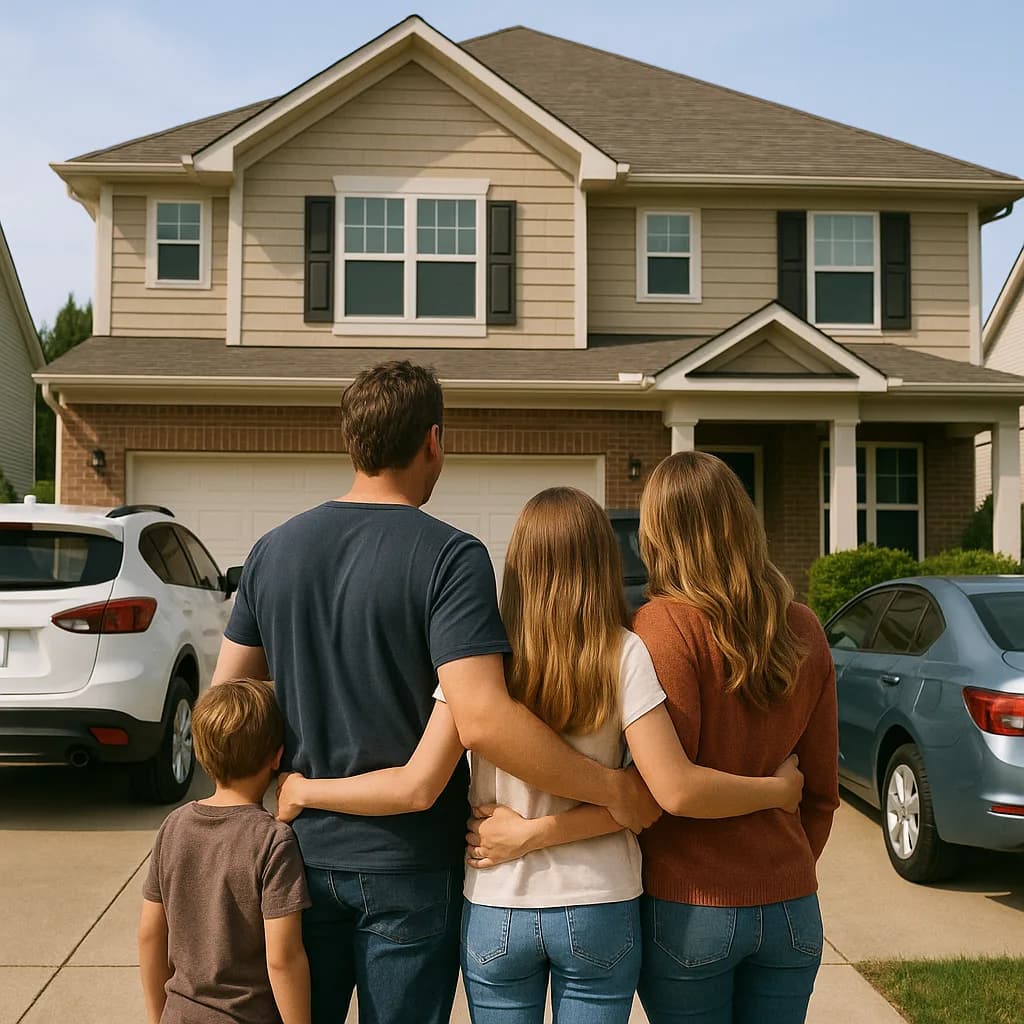
Geico writes standard-tier auto insurance in Pennsylvania and offers online quotes for households adding a second or third vehicle. Geico's multi-car discount applies when you add the vehicle to your existing policy, but the discount percentage is not published and varies by household. The discount reduces the combined premium for both vehicles, but the final cost depends on Geico's base rate for your zip code and driving record. If Geico's base rate is higher than another carrier's, the discount may not make up the difference.
Other carriers writing Pennsylvania multi-vehicle policies include State Farm, Progressive, Allstate, Erie, Nationwide, and Liberty Mutual. State Farm and Erie are preferred-tier carriers with agent-only quoting; Progressive, Allstate, and Nationwide offer online quotes. Each carrier prices Pennsylvania's $15,000/$30,000/$5,000 liability minimums and personal injury protection differently depending on your county, vehicle, and driving history. The only way to know whether Geico's multi-car discount beats another carrier's base rate is to compare quotes for the same coverage across both vehicles.
Related Articles


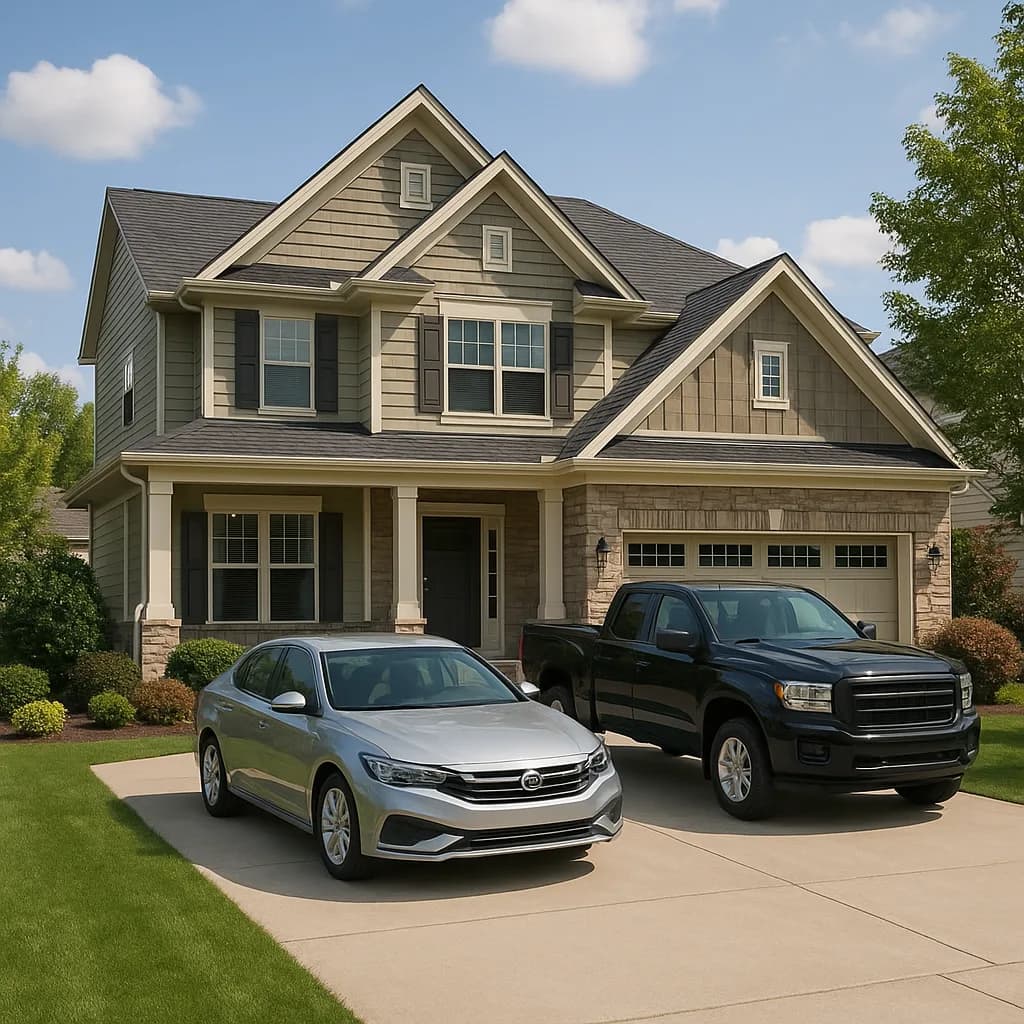
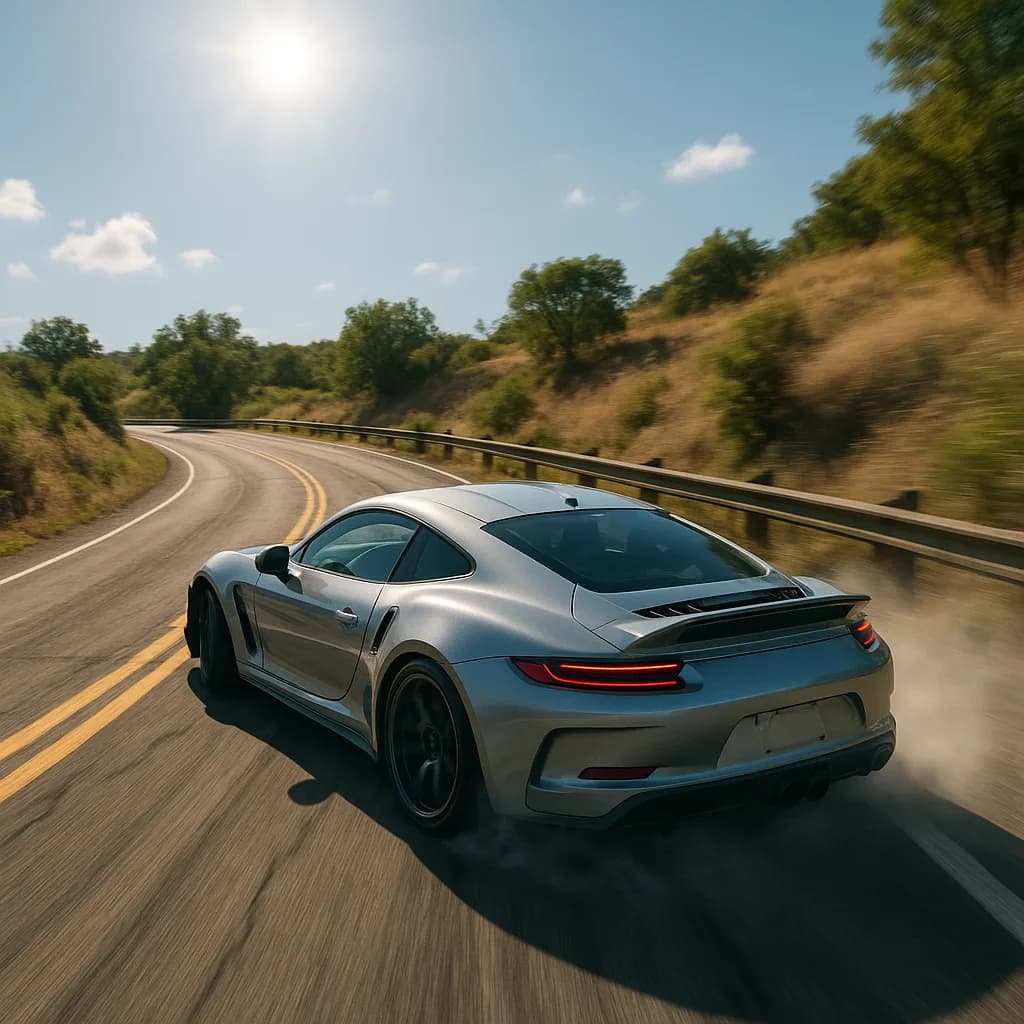
When Splitting Policies Costs Less Than One Geico Policy
If Geico quotes a high base rate for your household but another carrier quotes a significantly lower rate for one of your vehicles, splitting the two cars across two carriers can cost less than one Geico policy with the multi-car discount. This happens most often when one vehicle is a high-risk profile — a sports car, a vehicle with a claim history, or a car driven by a young driver — and another carrier specializes in that risk category at a lower base rate.
Pennsylvania allows you to insure vehicles titled to the same household on separate policies. You lose the multi-car discount when you split policies, but you gain the ability to match each vehicle to the carrier with the lowest base rate for that specific car and driver. If the second carrier's rate is low enough, the combined cost of two separate policies can be less than one Geico policy with the discount applied.
The failure mode: assuming the multi-car discount always saves money. A discount off a high base rate can cost more than no discount off a low base rate. The only way to confirm is to quote both structures — one Geico policy covering both vehicles, and two separate policies with the second vehicle quoted at another carrier — and compare the total annual cost.
Pennsylvania Multi-Vehicle Carriers
28 carriers
Pennsylvania has 28 carriers writing auto insurance for households with two or more vehicles, including Geico, State Farm, Progressive, Allstate, Erie, Nationwide, and Liberty Mutual. Base rates vary by carrier, zip code, and household profile, and not every carrier offers the same multi-car discount structure.
Pennsylvania Department of Insurance licensed carrier roster
Adding a Third Vehicle to a Geico Policy
When you add a third vehicle to an existing Geico policy, the entire policy re-rates again. All three vehicles are priced together, the multi-car discount applies to all three, and the new premium reflects Geico's base rate for your household plus the discount. The discount percentage may increase slightly when you add a third vehicle, but Geico does not publish the exact discount structure, and the increase is not guaranteed.
The same structural reality applies: if Geico's base rate for your household is higher than another carrier's, the multi-car discount may not close the gap, even with three vehicles. Some households find that insuring two vehicles with Geico and the third with a different carrier costs less than one Geico policy covering all three, especially when the third vehicle is a high-risk profile or driven by a young driver.
Compare Geico Against Pennsylvania Carriers Writing Your Vehicles
Quote Geico for all vehicles on one policy, then quote at least two other carriers writing Pennsylvania multi-vehicle policies for the same coverage. Use identical liability limits — Pennsylvania's $15,000/$30,000/$5,000 minimums or higher — and identical deductibles for collision and comprehensive if you carry full coverage. Compare the total annual cost across all vehicles, not the per-vehicle rate, because the multi-car discount applies to the combined premium, not to each car individually. If Geico's total cost is lower, the multi-car discount is working for your household. If another carrier's total cost is lower, Geico's base rate is too high for your profile, and the discount does not overcome it. See Pennsylvania's minimum coverage requirements and carrier options to confirm what you must carry and which carriers write your county.