
Allstate Multi-Car Insurance — Pennsylvania
Free to compare
Does Allstate Write Multi-Car Policies in Pennsylvania
Allstate writes auto insurance in Pennsylvania and offers multi-car policies for households insuring two or more vehicles. The carrier holds NAIC company code 19232 and maintains an AM Best rating of A+ (Superior). Pennsylvania residents can add multiple vehicles to a single Allstate policy and qualify for the carrier's multi-car discount when all vehicles sit on the same policy.
The multi-car discount applies when every vehicle in the household is titled to a policyholder or household member listed on the same Allstate policy. A vehicle titled to someone outside the household or sitting on a separate policy does not count toward the discount. Adding a second or third vehicle mid-term re-rates the entire policy rather than adding a flat amount to the existing premium.
“A vehicle titled to someone outside the household does not count toward the multi-car discount, even if both policies are with Allstate.”
Meet Pennsylvania's Requirements Without Overpaying
Get My Pennsylvania Car Insurance Quote$15,000 / $30,000 / $5,000
Pennsylvania Minimum Liability Limits
Pennsylvania requires $15,000 bodily injury per person, $30,000 bodily injury per accident, and $5,000 property damage. Every vehicle on an Allstate multi-car policy must carry at least these minimums. Personal injury protection (PIP) is also mandatory in Pennsylvania.
Pennsylvania Department of Transportation
How the Multi-Car Discount Works on an Allstate Policy
The multi-car discount reduces the premium when two or more vehicles sit on the same Allstate policy. The discount applies to the total policy premium, not to each vehicle individually. The size of the discount depends on the number of vehicles, the coverage selections for each, and the drivers assigned to each vehicle.
Allstate calculates the discount after rating each vehicle separately. A household with three cars pays less per vehicle than three separate single-car policies would cost, but the total premium still reflects the combined risk of all three vehicles. The discount does not override the base rate: a higher-risk vehicle added to the policy raises the total premium even with the multi-car discount applied.
The same-policy requirement is strict. A vehicle titled to a household member who maintains a separate Allstate policy does not qualify for the multi-car discount on either policy. Combining the policies into one triggers the discount, but also re-rates every vehicle on the new combined policy.
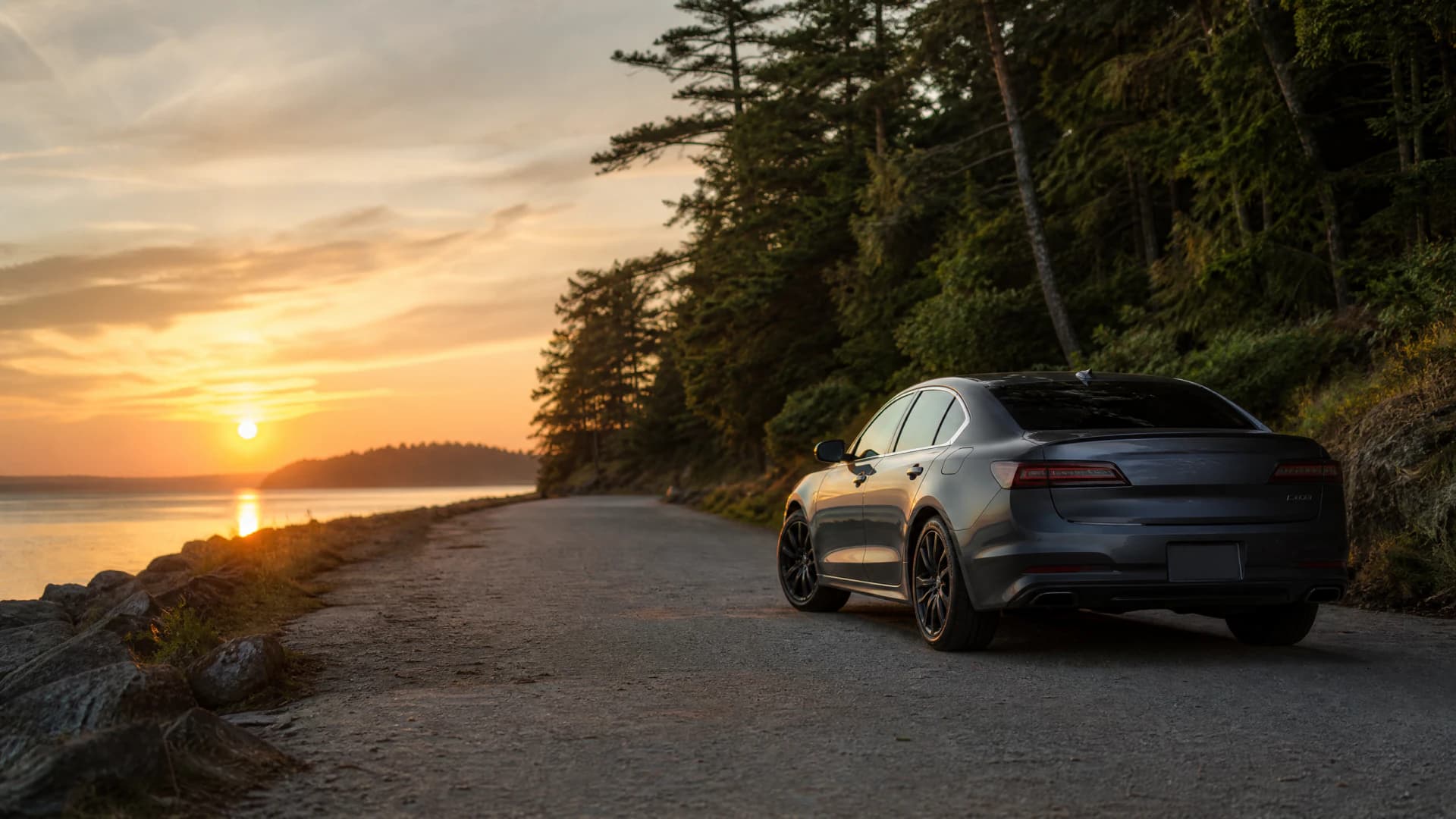
A vehicle titled to someone outside the household or on a separate policy does not count toward Allstate's multi-car discount, even if both policies are with Allstate.
Related Articles




Combining Two Allstate Policies After Marriage or a Move
Two household members who each hold a separate Allstate policy can combine them into one multi-car policy. Combining triggers the multi-car discount, but also re-rates every vehicle on the new policy. The combined premium is usually lower than the sum of the two separate policies, but not always.
Allstate rates the combined policy based on the driving records of both policyholders, the vehicles, the garaging address, and the coverage selections. If one policyholder has a clean record and the other has a recent violation, the combined policy reflects both records. A household member with a DUI or multiple points raises the premium for every vehicle on the policy, even vehicles that driver does not operate.
Pennsylvania does not require vehicles garaged at the same address to sit on the same policy, but Allstate's multi-car discount typically requires a shared garaging address. A vehicle garaged at a second address may not qualify for the discount even if titled to a household member. Verify the garaging-address requirement with Allstate before combining policies.
11%
Pennsylvania Uninsured Motorist Rate
Eleven percent of Pennsylvania motorists drive uninsured. Uninsured motorist coverage is optional in Pennsylvania but protects your household when an at-fault driver has no insurance. Adding uninsured motorist coverage to a multi-car Allstate policy covers every vehicle on the policy.
Insurance Information Institute, 2023
When a Multi-Car Policy Costs More Than Separate Policies
A multi-car policy does not always lower the total premium. Combining vehicles onto one Allstate policy re-rates every vehicle based on the highest-risk driver and the combined exposure. A household with one high-risk driver and multiple vehicles pays a higher per-vehicle premium than a household where each driver maintains a separate policy and the high-risk driver's policy does not affect the others.
Pennsylvania uses a modified no-fault system with mandatory personal injury protection (PIP), and Allstate rates PIP coverage based on the drivers assigned to the policy. A household member with a recent at-fault accident or DUI raises the PIP premium for every vehicle on the policy. In some cases, keeping the high-risk driver on a separate non-standard policy and the other vehicles on a preferred-tier Allstate policy produces a lower combined cost than one multi-car policy covering everyone.
Compare Allstate Against Other Pennsylvania Carriers
Allstate is one of 28 carriers writing auto insurance in Pennsylvania. Other carriers writing multi-car policies in the state include State Farm, Geico, Progressive, Nationwide, Erie, and Liberty Mutual. Each carrier structures the multi-car discount differently, and the base rate varies by carrier even when the discount percentage is similar. A smaller discount on a lower base rate can produce a lower total premium than a larger discount on a higher base rate.
Pennsylvania residents managing multiple vehicles should compare quotes from at least three carriers. Request quotes that include all vehicles, all drivers, and the same coverage limits across carriers. The multi-car discount applies only when all vehicles sit on the same policy, so any quote that splits vehicles across policies does not reflect the true cost of a multi-car structure. Compare the total annual premium, not the per-vehicle cost, to see which carrier delivers the lowest combined rate for your household.
Adding a Vehicle to an Existing Allstate Policy
When you buy a second or third vehicle, Allstate extends coverage to the new vehicle automatically for a limited grace period, typically 14 to 30 days depending on the policy terms. During this window, the new vehicle is covered under the same liability and physical damage coverages as the existing vehicles on the policy. After the grace period expires, an unreported vehicle loses coverage and any claim on that vehicle can be denied.
Adding the vehicle mid-term re-rates the entire policy. Allstate recalculates the premium based on the combined risk of all vehicles, the drivers assigned to each, and the coverage selections. The new total premium reflects the multi-car discount, but the discount does not guarantee a lower per-vehicle cost if the added vehicle carries higher risk than the existing ones. Contact Allstate within the grace period to add the vehicle, confirm the new premium, and avoid a coverage gap.
Get Your Free Quote
Get My Pennsylvania Car Insurance QuoteFrequently Asked Questions
Does Allstate offer a multi-car discount in Pennsylvania?
Yes. Allstate offers a multi-car discount in Pennsylvania when two or more vehicles sit on the same policy. The discount applies to the total policy premium and requires all vehicles to be titled to a policyholder or household member listed on the policy.
Can I add a second car to my Allstate policy mid-term?
Yes. Allstate extends coverage to a newly purchased vehicle for a limited grace period, typically 14 to 30 days. You must add the vehicle to the policy within that window to maintain coverage. Adding the vehicle re-rates the entire policy and triggers the multi-car discount.
What happens if I combine two Allstate policies after getting married?
Combining two Allstate policies into one multi-car policy triggers the multi-car discount but re-rates every vehicle based on both policyholders' driving records, the vehicles, and the garaging address. The combined premium is usually lower than the sum of the two separate policies, but not always.
Does Pennsylvania require all household vehicles to be on the same policy?
No. Pennsylvania does not require all household vehicles to sit on the same policy. However, Allstate's multi-car discount applies only when all vehicles are on the same policy, so splitting vehicles across policies means losing the discount.
What are Pennsylvania's minimum liability limits for a multi-car policy?
Pennsylvania requires $15,000 bodily injury per person, $30,000 bodily injury per accident, and $5,000 property damage. Every vehicle on an Allstate multi-car policy must carry at least these minimums. Personal injury protection (PIP) is also mandatory.
Can a vehicle garaged at a second address qualify for Allstate's multi-car discount?
It depends on Allstate's garaging-address requirement. The multi-car discount typically requires all vehicles to be garaged at the same address. A vehicle garaged at a second address may not qualify even if titled to a household member. Verify the requirement with Allstate before adding the vehicle.
When does a multi-car policy cost more than separate policies?
A multi-car policy costs more when combining vehicles re-rates every vehicle based on the highest-risk driver. A household with one high-risk driver and multiple vehicles may pay a higher per-vehicle premium on one policy than if the high-risk driver maintained a separate policy.