
Cheapest Liability-Only Car Insurance — Pennsylvania
Free to compare
Why Liability-Only for Multiple Vehicles
You own two or more vehicles in Pennsylvania, at least one has depreciated past the point where collision and comprehensive make financial sense, and you need liability coverage that meets state minimums without overpaying for physical-damage coverage you don't need. The structural question is whether to insure all vehicles on one policy or split them across separate policies, and which carriers write the lowest combined premium for liability-only coverage across multiple cars.
Pennsylvania requires $15,000 per person and $30,000 per accident in bodily injury liability, plus $5,000 in property damage liability. Personal injury protection is mandatory unless you reject it in writing. When you insure multiple vehicles liability-only, the multi-car discount applies only when every vehicle sits on the same policy with the same carrier, and the discount typically reduces the per-vehicle premium by a percentage that varies by carrier and household profile.
“A smaller discount on a lower base rate can beat a larger discount on a higher one — the combined premium after discount is what matters.”

Meet Pennsylvania's Requirements Without Overpaying
Get My Pennsylvania Car Insurance Quote$15,000 / $30,000 / $5,000
Pennsylvania Liability Minimums
Every vehicle registered in Pennsylvania must carry at least $15,000 per person, $30,000 per accident in bodily injury liability, and $5,000 in property damage liability. These are the floor amounts; higher limits cost more but protect household assets above the minimum.
Pennsylvania Department of Transportation, 75 Pa.C.S. §1786
One Policy or Separate Policies
The multi-car discount requires every vehicle to appear on the same policy. If you insure one vehicle with Carrier A and a second vehicle with Carrier B, neither policy qualifies for the discount, and you pay two separate base premiums. If you move both vehicles to a single policy with one carrier, the second vehicle's premium drops by the discount percentage, and you pay one combined premium that is almost always lower than the sum of two separate policies.
Carriers calculate the discount differently. Some apply a flat percentage to the second and subsequent vehicles. Others reduce the base rate for every vehicle once two or more are enrolled. A few carriers offer a larger discount when three or more vehicles sit on the policy. The structural reality is that the discount exists only when the policy structure supports it: same policy, same carrier, same renewal date.
A vehicle titled to a household member who maintains a separate policy with a different carrier does not count toward your multi-car discount, even if that person lives at your address. The discount applies to vehicles on your policy, not vehicles in your household. If you want the discount to apply to that vehicle, it must be added to your policy, and the titled owner must be listed as a driver or co-insured.
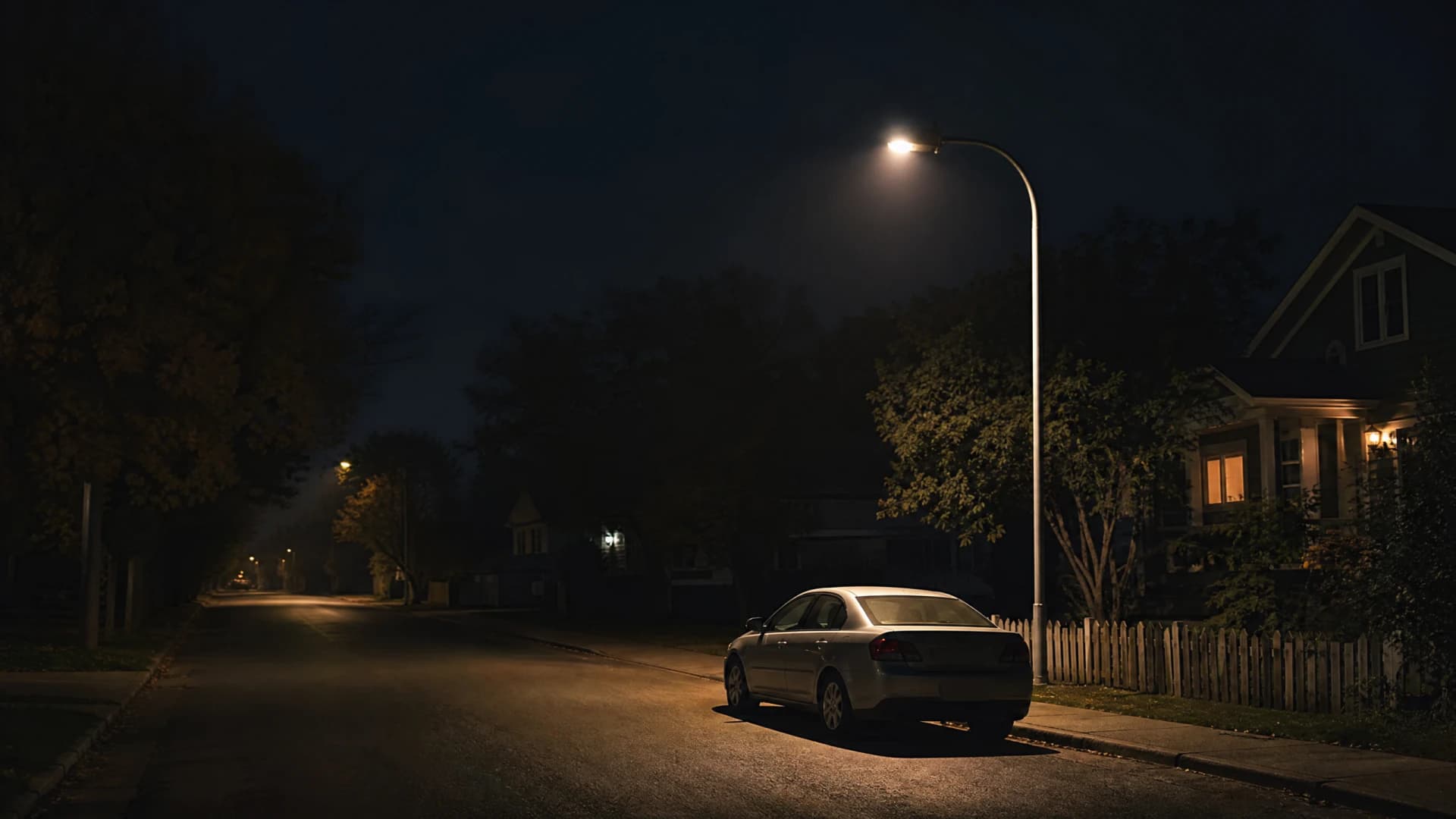
The multi-car discount applies only when every vehicle sits on the same policy with the same carrier. Split policies forfeit the discount entirely, even when both policies are with the same company.


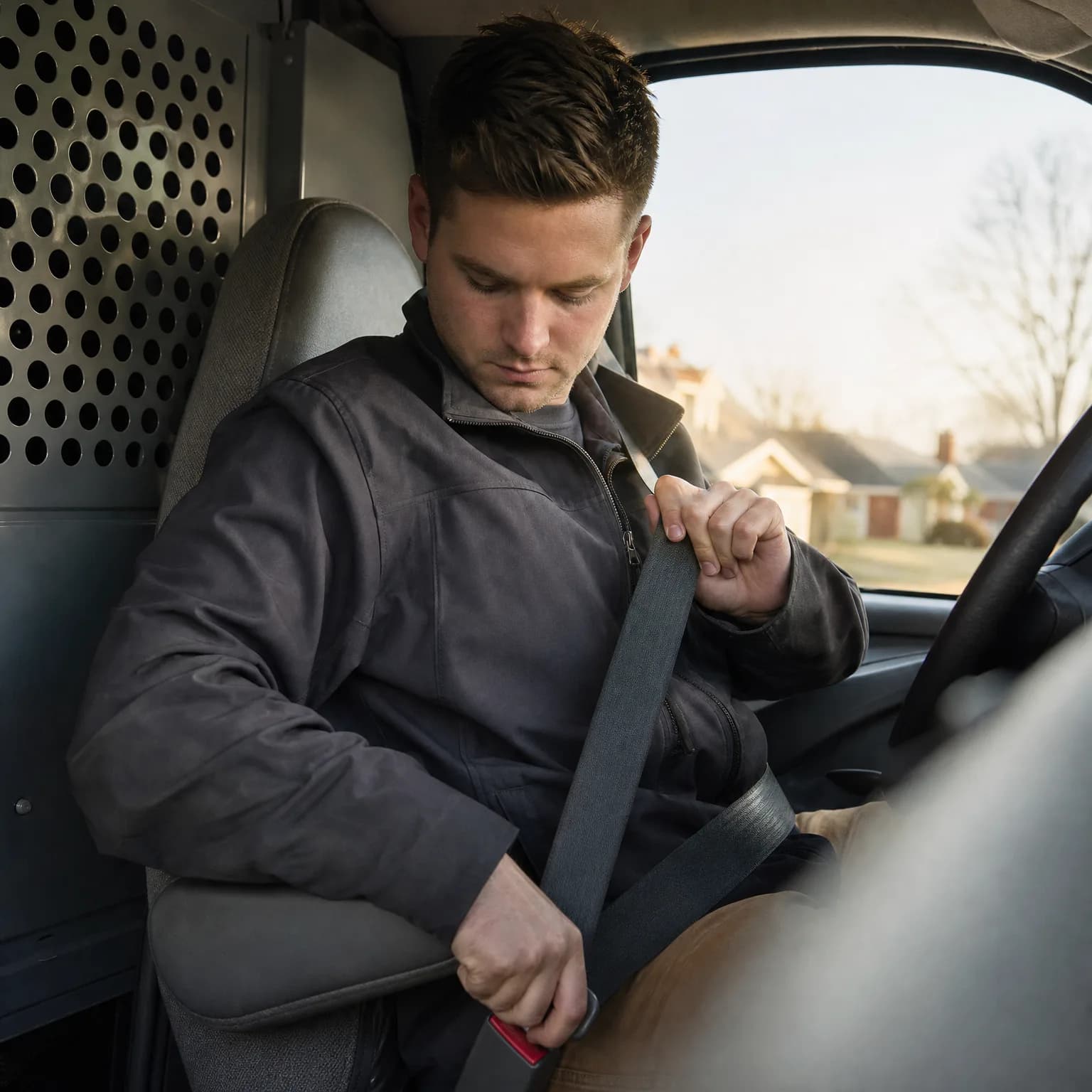
How the Multi-Car Discount Changes Combined Premium
The multi-car discount reduces the per-vehicle premium once two or more vehicles sit on the same policy. The discount applies to the second vehicle and every vehicle after that, not to the first vehicle. If your first vehicle's liability-only premium is a baseline amount and the second vehicle would cost the same amount as a standalone policy, the discount reduces the second vehicle's premium by a percentage, and you pay the baseline amount plus the discounted amount for the second vehicle.
A smaller discount on a lower base rate can produce a lower combined premium than a larger discount on a higher base rate. Carrier A might offer a modest multi-car discount but quote a lower base rate for liability-only coverage. Carrier B might advertise a larger discount but start from a higher base rate. The combined premium after discount is what matters, not the discount percentage in isolation.
When you add a third or fourth vehicle, the discount typically applies to each additional vehicle at the same percentage. A few carriers increase the discount percentage when three or more vehicles are enrolled. Most carriers cap the discount at a fixed percentage regardless of vehicle count. The structural advantage of the multi-car discount grows as you add vehicles, because each additional vehicle's premium is reduced by the discount while the first vehicle's premium remains unchanged.
29 carriers
Auto Insurers Writing in Pennsylvania
Pennsylvania's carrier roster includes 29 insurers writing personal auto policies in the state. Standard-tier, non-standard, and preferred carriers all write multi-vehicle policies, but not every carrier offers competitive liability-only rates for households insuring older vehicles or drivers seeking minimum coverage.
When Separate Policies Make Sense
A separate policy for one vehicle makes sense when that vehicle requires coverage the other vehicles do not. A classic car or antique vehicle often needs a specialty policy with agreed-value coverage and mileage restrictions that a standard multi-car policy cannot accommodate. A vehicle titled to a household member who maintains their own insurance through an employer or military affiliation may cost less on that separate policy than added to your multi-car policy, even after the discount.
A vehicle garaged at a different address sometimes requires a separate policy. Pennsylvania carriers typically require every vehicle on a multi-car policy to share the same garaging address. If one vehicle is garaged at a second home, a college campus, or a different city, the carrier may require that vehicle to sit on a separate policy with the correct garaging address. The multi-car discount does not apply across policies, so you lose the discount on that vehicle.
Compare Carriers for Your Vehicle Count and Profile
Liability-only rates for multi-vehicle households vary by carrier, vehicle count, driver profile, and garaging ZIP code. A carrier that quotes the lowest combined premium for two vehicles in Philadelphia may not quote the lowest premium for three vehicles in Pittsburgh. The only way to identify the cheapest liability-only policy for your household is to request quotes from multiple carriers writing in Pennsylvania, provide identical coverage limits and vehicle details to each, and compare the combined premium after the multi-car discount.
Request quotes from at least three standard-tier carriers and two non-standard carriers. Provide the same liability limits, the same vehicle details, the same driver information, and the same garaging address to every carrier. Ask each carrier to confirm the multi-car discount amount and verify that every vehicle is enrolled on the same policy. Compare the combined annual or six-month premium, not the per-vehicle amount, because the discount structure varies by carrier and the combined premium is what you pay.
Carriers Writing Liability-Only Multi-Vehicle Policies in Pennsylvania
Standard-tier carriers writing liability-only policies in Pennsylvania include Geico, Progressive, State Farm, Allstate, Nationwide, Liberty Mutual, Farmers, and Travelers. These carriers write multi-vehicle policies and apply a multi-car discount when two or more vehicles are enrolled. Geico and Progressive offer online quoting and allow you to compare liability-only rates for multiple vehicles in a single session. State Farm and Allstate require agent contact but write competitive multi-vehicle liability-only policies in Pennsylvania.
Non-standard and budget-tier carriers writing liability-only coverage include Direct Auto, The General, Bristol West, Dairyland, Acceptance Insurance, Infinity, Kemper, National General, and GAINSCO. These carriers specialize in minimum-coverage policies and write multi-vehicle liability-only policies for households with older vehicles, drivers with violations, or budget constraints. Direct Auto operates 15 storefronts across Pennsylvania and writes same-day liability-only policies for multiple vehicles. The General and Bristol West offer online quoting and write multi-vehicle liability-only policies with immediate bind.
Get Your Free Quote
Get My Pennsylvania Car Insurance QuoteFrequently Asked Questions
Does Pennsylvania require liability insurance on every vehicle I own?
Yes. Pennsylvania requires every registered vehicle to carry at least $15,000/$30,000/$5,000 in liability coverage and personal injury protection unless you reject PIP in writing. You cannot register a vehicle without proof of insurance, and driving an uninsured vehicle results in registration suspension and reinstatement fees.
Can I insure two vehicles with different carriers and still get a multi-car discount?
No. The multi-car discount applies only when every vehicle sits on the same policy with the same carrier. If you insure one vehicle with Carrier A and a second vehicle with Carrier B, neither policy qualifies for the discount, and you pay two separate base premiums with no discount applied.
Which Pennsylvania carriers write the cheapest liability-only policies for multiple vehicles?
Geico, Progressive, Direct Auto, The General, and Bristol West write competitive liability-only multi-vehicle policies in Pennsylvania. Rates vary by vehicle count, driver profile, and ZIP code. The cheapest carrier for your household depends on your specific situation; request quotes from at least three carriers and compare combined premiums after the multi-car discount.
How much does the multi-car discount reduce my premium in Pennsylvania?
The multi-car discount percentage varies by carrier and household profile. Most carriers reduce the second vehicle's premium by a percentage once two vehicles are enrolled on the same policy. The discount applies to each additional vehicle. Compare combined premiums from multiple carriers rather than discount percentages, because a smaller discount on a lower base rate can produce a lower combined premium.
Can I drop collision and comprehensive on one vehicle and keep it on another on the same policy?
Yes. Pennsylvania carriers allow you to select different coverage levels for each vehicle on a multi-car policy. You can carry liability-only on an older vehicle and full coverage on a newer vehicle, and both vehicles remain on the same policy and qualify for the multi-car discount.
Do I lose the multi-car discount if I remove a vehicle from my policy?
You lose the discount only if removing the vehicle drops your total vehicle count below two. If you have three vehicles on your policy and remove one, the remaining two vehicles still qualify for the multi-car discount. If you have two vehicles and remove one, the remaining vehicle reverts to a single-vehicle policy with no discount applied.