
Cheapest Car Insurance for New Drivers — Pennsylvania
Free to compare
Why Adding a New Driver Costs More Than Adding Another Car
You added a second or third vehicle to your Pennsylvania policy without much trouble. The premium went up, but not dramatically. Now you're adding a newly-licensed driver — often a teenager who just passed their road test — and the quote is double what you expected. The structural reality: carriers rate the driver, not just the vehicle. A new driver with no history is the highest-risk element on your policy, and Pennsylvania's mandatory coverage requirements set the floor for what you must carry.
Pennsylvania requires $15,000 bodily injury per person, $30,000 per accident, $5,000 property damage, and personal injury protection. Every vehicle on your policy must meet these minimums. When you add a new driver, carriers re-rate the entire policy assuming that driver could operate any vehicle you own. The premium increase reflects the risk of an inexperienced driver behind the wheel of every car in your household, not just the one they'll drive most often.
“Carriers rate the policy assuming any driver could operate any vehicle you own, not just the car the teen drives most often.”

Meet Pennsylvania's Requirements Without Overpaying
Get My Pennsylvania Car Insurance Quote$15,000 / $30,000 / $5,000
Pennsylvania Minimum Liability Limits
Pennsylvania law requires $15,000 bodily injury per person, $30,000 per accident, and $5,000 property damage on every vehicle. Personal injury protection is also mandatory. These minimums apply to every car on your policy, including any vehicle a newly-licensed driver might operate.
Pennsylvania Department of Transportation
How Carriers Rate Newly-Licensed Drivers on Multi-Vehicle Policies
Carriers assign each driver on your policy to a primary vehicle, but they rate the policy assuming any driver could operate any car. A newly-licensed 17-year-old assigned to a 2015 sedan still increases the premium on your 2022 SUV and your spouse's pickup. The carrier calculates the worst-case scenario: the highest-risk driver operating the highest-value vehicle.
Pennsylvania's graduated driver licensing rules require teens to hold a learner's permit for six months and complete 65 hours of supervised driving before earning an intermediate license at 16.5. Full unrestricted licenses are available at 18. Carriers treat drivers under 18 with intermediate licenses as higher risk than those with full licenses, even when both are newly licensed. The distinction matters when comparing quotes.
Some carriers offer a discount when a teen driver completes an approved driver education course or maintains a grade-point average above a specified threshold. These discounts reduce the surcharge but do not eliminate it. A newly-licensed driver will always cost more to insure than an experienced adult driver on the same policy.
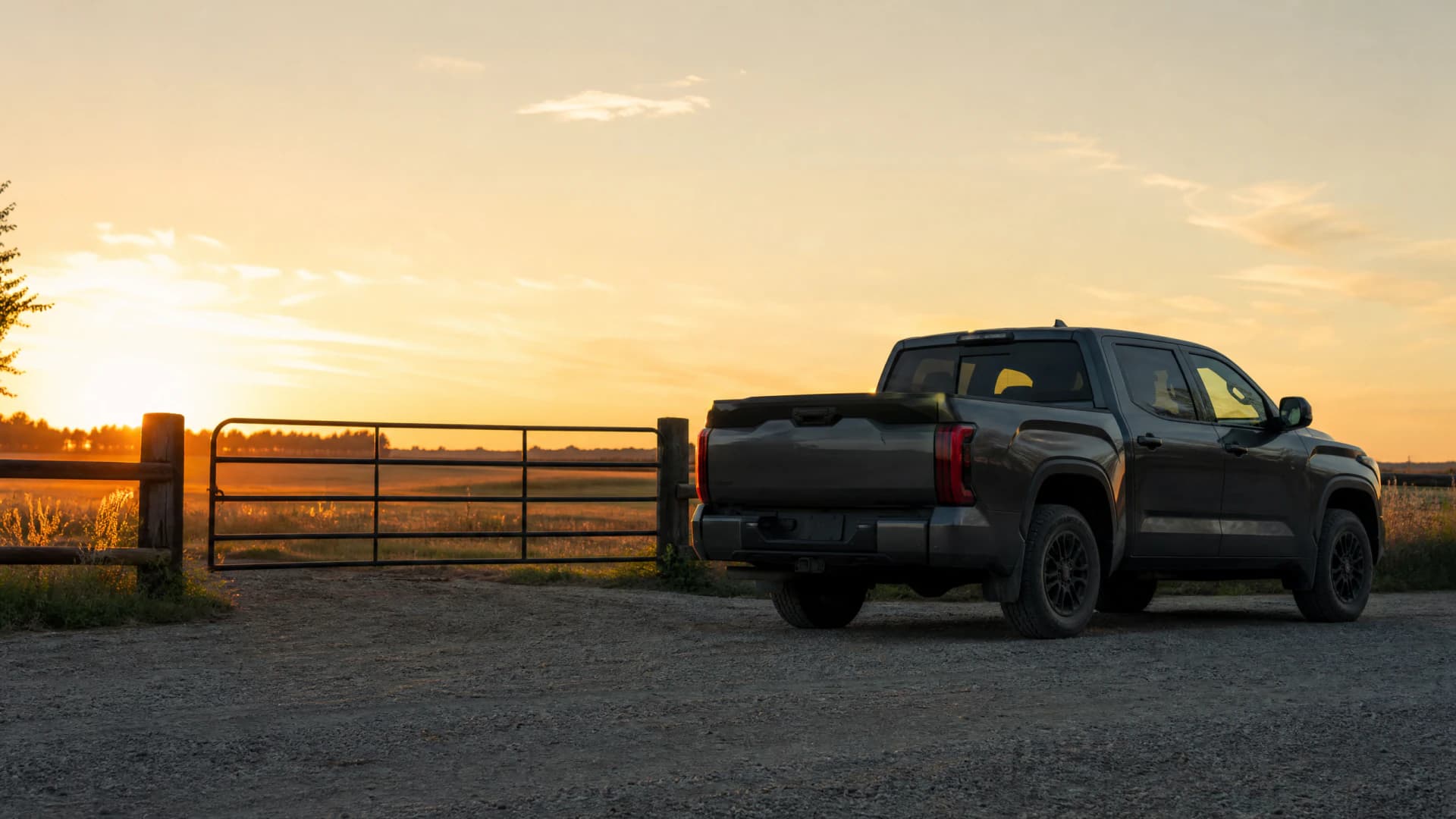
The carrier re-rates your entire policy when you add a new driver, not just the vehicle they'll drive. Every car you own becomes more expensive to insure.
Related Articles


Single Policy or Separate Policy for the New Driver
Pennsylvania law does not require a newly-licensed driver to carry their own separate policy if they live in a household with an existing policy. Most carriers require household members with licenses to be listed on the policy, either as rated drivers or as excluded drivers. Excluding a driver means they have no coverage if they operate any vehicle on the policy, and most carriers will not allow you to exclude a household member under 18.
A separate policy for a newly-licensed driver costs more than adding them to an existing multi-vehicle policy in nearly every scenario. The new driver loses the multi-car discount, pays a higher per-vehicle base rate, and still faces the same new-driver surcharge. Separate policies make sense only when the household's primary policy is with a carrier that will not accept the new driver, or when the new driver's surcharge would push the entire household into a non-standard tier.
If you own three vehicles and add a newly-licensed driver to your existing policy, the multi-car discount applies to all three vehicles and the new driver benefits from the household's combined risk profile. If the new driver takes out their own policy for one vehicle, that policy has no multi-car discount and the carrier rates it as a single high-risk vehicle with a single high-risk driver. The total premium across both policies will be higher than keeping everyone on one policy.
28 carriers
Auto Insurance Carriers Writing in Pennsylvania
Pennsylvania has 28 carriers writing personal auto insurance, spanning preferred, standard, and non-standard tiers. Comparing carriers that write multi-vehicle policies with newly-licensed drivers is the only way to identify the lowest premium for your household structure.
Pennsylvania Department of Insurance
How Vehicle Assignment and Coverage Levels Affect Cost
Carriers allow you to assign each driver to a primary vehicle, and that assignment affects the premium. Assigning the newly-licensed driver to the oldest, lowest-value vehicle on your policy produces a lower surcharge than assigning them to the newest or most expensive car. If you own a 2015 sedan, a 2020 SUV, and a 2023 truck, assign the new driver to the sedan. The carrier still rates the policy assuming the teen could drive any vehicle, but the primary-vehicle assignment reduces the base calculation.
Dropping collision and comprehensive coverage on the vehicle the new driver operates most often lowers the premium further, but only if the vehicle's value is low enough that you can absorb a total-loss event without insurance reimbursement. Pennsylvania does not require collision or comprehensive coverage on any vehicle, only the liability and personal injury protection minimums. If the vehicle is financed or leased, the lender requires collision and comprehensive, and you cannot drop them.
Compare Carriers That Write Your Household Structure
The lowest premium for a multi-vehicle household with a newly-licensed driver comes from comparing carriers that write your specific structure: the number of vehicles, the number of drivers, the ages of all drivers, and the coverage levels you need. A carrier that offers the lowest rate for two experienced drivers and two vehicles may not be the lowest for the same household after adding a 17-year-old. Rates vary by carrier, and the only way to identify the lowest premium is to compare quotes from multiple carriers writing in Pennsylvania.
Request quotes from at least three carriers in different tiers: one preferred-tier carrier like Erie or Amica, one standard-tier carrier like State Farm or Nationwide, and one non-standard carrier like Bristol West or Dairyland. Provide identical information to each carrier — same vehicles, same drivers, same coverage levels — so the quotes are comparable. The carrier that produces the lowest total premium for your household is the one that writes your risk profile most favorably, and that carrier changes when your household structure changes.
Which Carriers Write Multi-Vehicle Policies with New Drivers in Pennsylvania
Pennsylvania has 28 carriers writing auto insurance in the state. Standard-tier carriers like State Farm, Allstate, Nationwide, and Erie write multi-vehicle policies and accept newly-licensed drivers, though premiums vary significantly by household structure and the teen's age. Preferred-tier carriers like USAA (military-affiliated households only) and Amica also write multi-vehicle policies with new drivers but typically require at least one experienced driver with a clean record as the primary policyholder.
Non-standard carriers like Bristol West, Dairyland, and Direct Auto write multi-vehicle policies for households that standard carriers decline, including those with multiple new drivers or a combination of new drivers and older vehicles. These carriers often charge higher base premiums but may offer lower surcharges for adding a teen driver than a standard carrier would. If your household includes two or more newly-licensed drivers, or if the primary policyholder has recent violations, a non-standard carrier may produce a lower total premium than forcing the household into a standard carrier's high-risk tier.
Get Your Free Quote
Get My Pennsylvania Car Insurance QuoteFrequently Asked Questions
Can I exclude a newly-licensed driver from my Pennsylvania auto policy?
Most Pennsylvania carriers will not allow you to exclude a household member under 18 from your policy. Excluding a driver means they have no coverage if they operate any vehicle on the policy. If the excluded driver causes an accident while driving your car, your carrier will deny the claim and you are personally liable for all damages.
Does a newly-licensed driver need their own separate policy in Pennsylvania?
No. Pennsylvania law does not require a newly-licensed driver to carry a separate policy if they live in a household with an existing multi-vehicle policy. Adding the driver to your existing policy is almost always cheaper than a separate policy because the new driver benefits from the multi-car discount and the household's combined risk profile.
How much does adding a newly-licensed driver increase my Pennsylvania auto insurance premium?
The increase depends on the carrier, the number of vehicles on your policy, the new driver's age, and the coverage levels you carry. Carriers re-rate the entire policy when you add a new driver, not just the vehicle they'll drive. Comparing quotes from multiple carriers is the only way to identify the lowest premium for your household.
Which vehicle should I assign to a newly-licensed driver on my Pennsylvania policy?
Assign the newly-licensed driver to the oldest, lowest-value vehicle on your policy. Carriers calculate the premium based on the primary vehicle assignment, and assigning the new driver to a less expensive car produces a lower surcharge than assigning them to your newest or most valuable vehicle.
Do Pennsylvania carriers offer discounts for newly-licensed teen drivers?
Some carriers offer discounts when a teen driver completes an approved driver education course or maintains a specified grade-point average. These discounts reduce the new-driver surcharge but do not eliminate it. A newly-licensed driver will always cost more to insure than an experienced adult driver on the same policy.
Can I drop collision coverage on the car my newly-licensed driver uses in Pennsylvania?
Yes, if the vehicle is not financed or leased and its value is low enough that you can replace it out of pocket. Pennsylvania does not require collision or comprehensive coverage, only liability and personal injury protection minimums. Dropping physical-damage coverage on an older vehicle lowers the premium.