
Young Driver Insurance Cost — Pennsylvania
Free to compare
The Young Driver Premium Reality in Pennsylvania
Your teenager just got their license and you need to add them to your Pennsylvania household policy. You know the premium will increase, but you don't know whether to add them to your existing multi-vehicle policy or start a separate policy for their car. The structural choice matters more than the age-based surcharge itself.
Pennsylvania requires every licensed household member to be listed on your auto policy or explicitly excluded. When you add a young driver to a multi-vehicle policy, the carrier re-rates the entire policy — not just the teen's car. The multi-car discount you're already receiving applies to the new total, but the young-driver surcharge hits first. Understanding how these two forces interact determines what you actually pay.
“The young-driver surcharge hits the entire policy when you add a licensed teen, even if they drive only one vehicle.”

Meet Pennsylvania's Requirements Without Overpaying
Get My Pennsylvania Car Insurance Quote$15,000/$30,000/$5,000
Pennsylvania Minimum Liability
Pennsylvania requires $15,000 bodily injury per person, $30,000 per accident, and $5,000 property damage as minimum liability coverage. Every vehicle on your policy must meet these minimums, including a car driven primarily by a young driver.
Pennsylvania Department of Transportation
How the Young Driver Surcharge Works on a Multi-Vehicle Policy
When you add a young driver to your existing policy, the carrier assigns them as the primary driver of one vehicle and a secondary or occasional driver of the others. The surcharge applies differently depending on that assignment. A young driver listed as primary on a newer or higher-value car produces a larger increase than one listed as primary on an older vehicle with lower collision and comprehensive limits.
The multi-car discount you already receive continues to apply, but it applies to the new total premium after the young-driver surcharge is added. If your household insures three vehicles and you're receiving a multi-car discount, adding a fourth vehicle with a young driver as primary means the discount spreads across four cars instead of three — but the base premium the discount applies to is now much higher.
Pennsylvania graduated licensing rules require young drivers under 18 to complete 65 hours of supervised driving and hold a learner's permit for six months before receiving an intermediate license. Carriers often offer a discount for completion of an approved driver training course, but that discount rarely offsets more than a fraction of the young-driver surcharge.
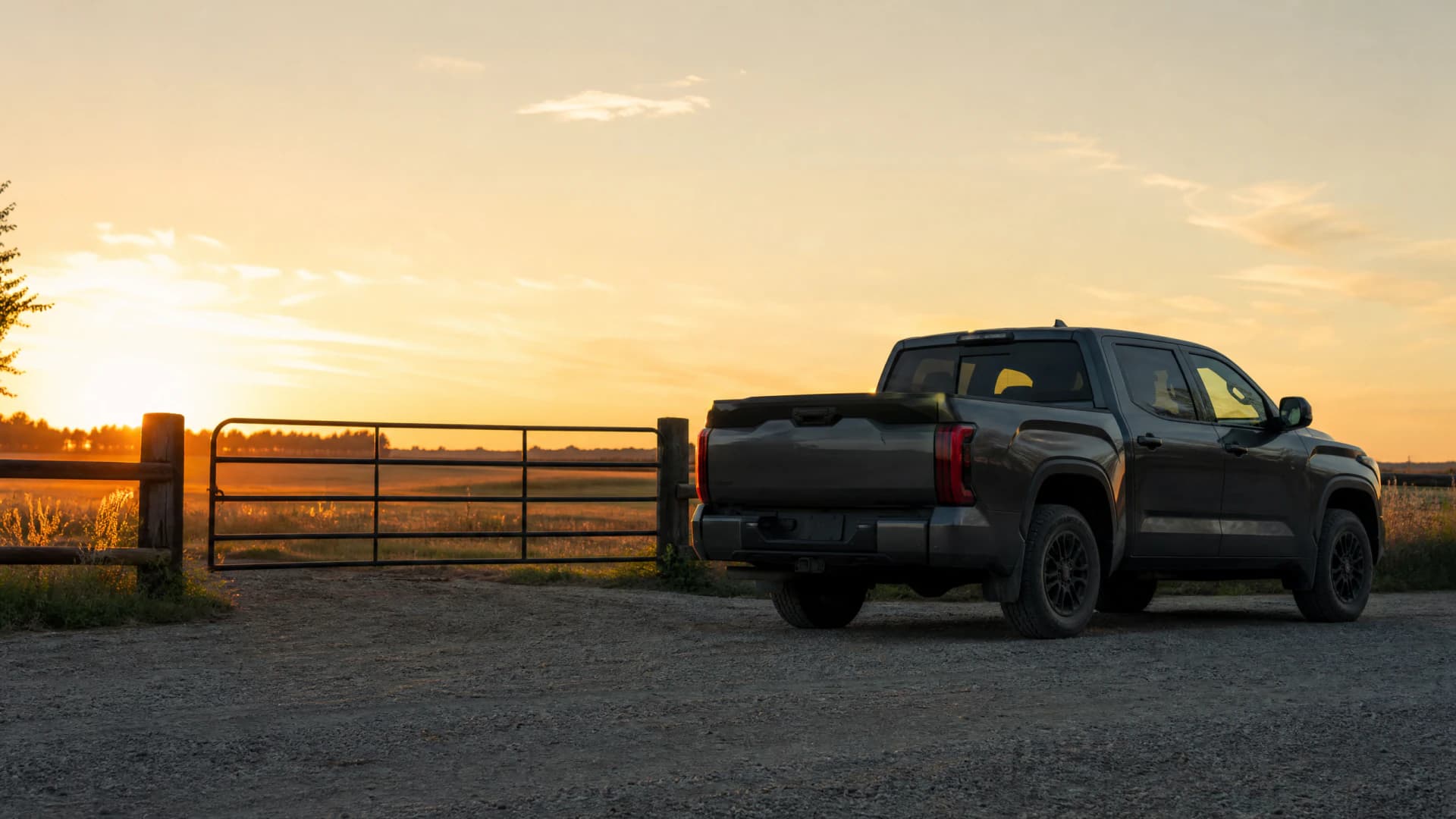
The young-driver surcharge hits the entire policy when you add a licensed teen, even if they drive only one vehicle. The multi-car discount applies after the surcharge, not before.




Pennsylvania Carriers That Write Young Drivers on Multi-Vehicle Policies
Not every carrier writes young drivers on multi-vehicle policies with the same underwriting rules. Some carriers assign the young driver as primary on one vehicle and restrict their access to the others. Others allow the young driver to be listed as an occasional driver on every vehicle, which spreads the surcharge more evenly but increases the total premium. Pennsylvania's carrier roster includes 28 companies writing standard and non-standard auto coverage, and their young-driver underwriting varies widely.
Pennsylvania's minimum liability requirements apply to every vehicle on your policy, but carriers differ on whether they require higher limits when a young driver is listed. That difference changes the base premium before the young-driver surcharge is even applied.
Carriers that specialize in non-standard or high-risk coverage — Dairyland, Bristol West, The General, and Direct Auto among them — often write young drivers more readily than preferred-tier carriers, but their base rates are higher. If your household already insures multiple vehicles with a preferred carrier like Erie, State Farm, or Allstate, adding the young driver to that policy usually costs less than moving their car to a non-standard carrier, even with the surcharge.
28 carriers
Pennsylvania Auto Insurance Roster
Pennsylvania's auto insurance market includes 28 carriers writing personal auto coverage, from preferred-tier companies like USAA and Amica to non-standard specialists like GAINSCO and Infinity. Not all write young drivers on multi-vehicle policies with the same underwriting rules.
Pennsylvania Department of Insurance

What Happens When the Young Driver Gets a Violation
Pennsylvania uses a point system for moving violations. A young driver who receives a speeding ticket or at-fault accident adds points to their record, and the carrier re-rates the policy at the next renewal. The surcharge for the violation stacks on top of the young-driver surcharge, and both apply to the entire multi-vehicle policy if the teen is listed on it. A household with three vehicles can see the total premium increase by a third or more after a single violation.
Some carriers offer accident forgiveness or minor-violation forgiveness, but these programs rarely apply to drivers under 21. If your household policy includes forgiveness benefits, confirm whether they extend to young drivers before assuming the first violation won't affect your premium. Most carriers exclude young drivers from forgiveness programs for the first three years after licensure.
Compare Carriers Writing Your Pennsylvania Household
The young-driver surcharge varies by carrier, and the multi-car discount's value varies just as much. A household insuring three vehicles in Pennsylvania with a young driver listed as primary on one of them should compare quotes from at least three carriers that write multi-vehicle policies in the state. The difference between the highest and lowest quote often exceeds the value of the multi-car discount itself.
Start with carriers already writing your household policy — if you're with Erie, State Farm, or Nationwide, request a re-quote with the young driver added before shopping elsewhere. Then compare against carriers that specialize in multi-vehicle households: Progressive, Geico, and Farmers all write young drivers on multi-vehicle policies and offer online quoting tools. Use the same coverage limits and the same vehicle assignments across every quote so the comparison reflects underwriting differences, not coverage differences. The goal is to find the carrier whose young-driver surcharge and multi-car discount combination produces the lowest total premium for your household's specific vehicle count and driver profile.
One Policy or Two: The Structural Decision
Keeping the young driver on your existing multi-vehicle policy preserves the multi-car discount across all vehicles. The surcharge is large, but the discount applies to the new total. This structure works best when your household insures three or more vehicles and the teen drives an older car with lower coverage limits. The discount's value increases with vehicle count, and spreading the surcharge across multiple cars softens the per-vehicle impact.
Moving the teen's car to a separate policy eliminates the surcharge from your household policy, but you lose the multi-car discount on that vehicle. The teen's standalone policy will be expensive — young drivers on single-vehicle policies pay higher base rates than young drivers on multi-vehicle policies — but your household policy premium stays closer to what it was before. This structure makes sense when your household insures only one or two vehicles, because the multi-car discount's value is smaller and the surcharge's impact on the household policy is proportionally larger.
Get Your Free Quote
Get My Pennsylvania Car Insurance QuoteFrequently Asked Questions
Does adding a young driver to a multi-car policy in Pennsylvania increase the premium on every vehicle?
Yes. When you add a young driver to your Pennsylvania multi-vehicle policy, the carrier re-rates the entire policy, not just the vehicle the young driver uses. The young-driver surcharge applies to the total premium, and the multi-car discount applies after that surcharge is added.
Can I exclude a young driver from my Pennsylvania auto insurance policy?
Yes, but only if the young driver has their own separate policy or does not have a driver's license. Pennsylvania requires every licensed household member to be listed on your policy or explicitly excluded in writing. An excluded driver cannot operate any vehicle on your policy.
Do Pennsylvania carriers offer discounts for young drivers who complete driver training?
Most Pennsylvania carriers offer a discount for completion of an approved driver training course, typically in the range that offsets a small portion of the young-driver surcharge. The discount applies for a limited time, usually until the driver turns 21 or completes three years of licensed driving.
Is it cheaper to put a young driver on a separate policy or add them to a multi-vehicle policy in Pennsylvania?
It depends on your household's vehicle count. Adding the young driver to a multi-vehicle policy preserves the multi-car discount across all vehicles, which usually costs less when you insure three or more cars. A separate policy for the teen eliminates the surcharge from your household policy but loses the multi-car discount on that vehicle.
What happens to my Pennsylvania multi-car policy premium if my young driver gets a speeding ticket?
The carrier re-rates your entire multi-vehicle policy at the next renewal. The violation surcharge stacks on top of the young-driver surcharge, and both apply to the total premium. Pennsylvania uses a point system, and violations add points to the young driver's record for three years.