
Cheapest Car Insurance Companies — Pennsylvania
Free to compare
The Multi-Car Pricing Trap
You've priced three carriers for your first vehicle and found the cheapest quote. Then you add your spouse's car and your teenager's sedan to the same policy, and the premium jumps far more than you expected. The carrier that quoted lowest for one vehicle is now the most expensive for all three. This happens because Pennsylvania carriers apply the multi-car discount differently: some discount every vehicle equally once you hit two cars on the policy, others discount only the second and third vehicles while leaving the first at full price, and a few apply tiered discounts that grow with each vehicle added.
The cheapest multi-car carrier in Pennsylvania is the one whose base rate plus discount structure produces the lowest total premium across every vehicle you insure on the same policy. That calculation changes depending on how many cars you're adding, the drivers assigned to each, and whether the vehicles are garaged at the same address. Pennsylvania does not regulate multi-car discount percentages, so carriers compete on structure as much as on base rate.
“The carrier that quotes lowest for one vehicle often charges the highest total once you add the second and third cars.”

Meet Pennsylvania's Requirements Without Overpaying
Get My Pennsylvania Car Insurance Quote25 carriers
Pennsylvania Multi-Vehicle Writers
Pennsylvania's carrier roster includes 25 insurers confirmed to write multi-vehicle policies statewide. Not all offer online quoting for households with three or more vehicles; several require broker contact once you exceed two cars on one policy.
Pennsylvania Department of Insurance carrier licensing records
How Pennsylvania Carriers Structure Multi-Car Discounts
Pennsylvania law requires every insurer to file its rating plan with the Department of Insurance, but the state does not mandate a standard multi-car discount percentage or structure. Carriers choose whether to discount the policy as a whole, discount only the additional vehicles, or apply a tiered structure where the discount grows with the third and fourth cars. The result: two carriers with identical single-vehicle premiums can produce wildly different totals once you add a second car.
Most Pennsylvania carriers require every vehicle on the multi-car policy to be garaged at the same address and titled to members of the same household. A vehicle titled to your adult child living at a separate address typically does not qualify for the same-policy discount, even if you're paying the premium. A few carriers allow exceptions for college students temporarily living away from home, but the vehicle must return to the household garaging address during breaks.
When you request a quote for multiple vehicles, the carrier re-rates the entire policy rather than adding a flat per-vehicle amount. Adding your third car changes the premium on the first two because the discount tier shifts. Removing a vehicle mid-term triggers the same re-rating in reverse. This means the cheapest carrier for two cars may not stay cheapest when you add the third.
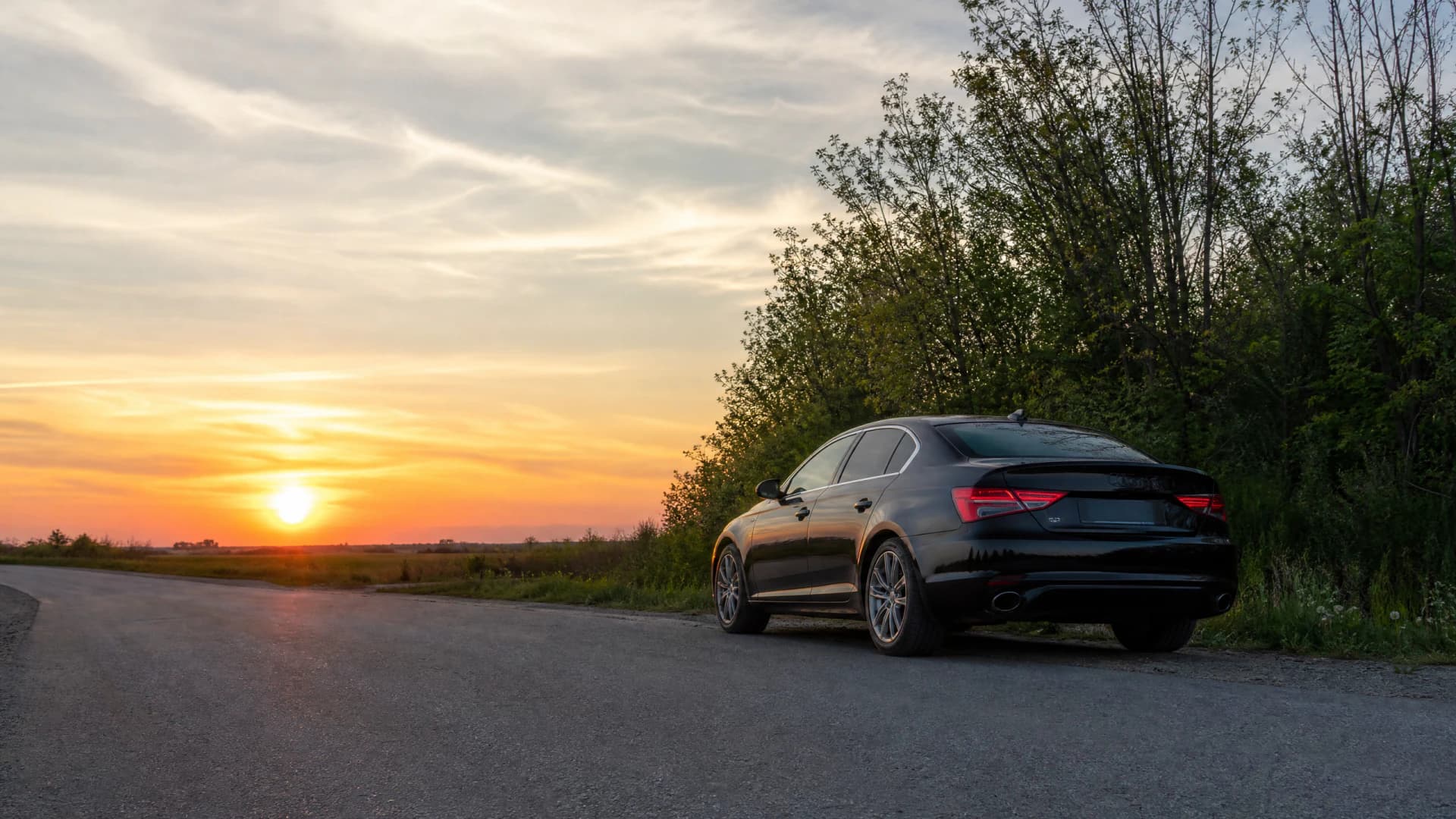
The carrier that quotes lowest for your first vehicle often charges the highest total once you add the second and third cars to the same policy.
Related Articles




What Drives Multi-Car Premium Differences in Pennsylvania
Pennsylvania permits insurers to rate on credit-based insurance score, driving record, age, vehicle type, garaging ZIP code, annual mileage, and coverage selections. When you add a second or third vehicle to the policy, each vehicle brings its own rating factors into the calculation. A 2018 sedan garaged in suburban Philadelphia and driven 8,000 miles annually by a 45-year-old with no violations will lower the policy's average risk profile. A 2015 pickup garaged in Pittsburgh and driven 18,000 miles annually by a 22-year-old with one speeding ticket will raise it.
The multi-car discount applies after the carrier calculates the combined risk profile across all vehicles and drivers. Carriers that weight vehicle age and mileage heavily in their rating plans tend to quote lower for households adding older, low-mileage cars. Carriers that weight driver age and record more heavily quote lower for households where every driver is over 25 with a clean record. There is no universal cheapest carrier; the answer depends on your household's specific combination of vehicles and drivers.
Pennsylvania requires minimum liability limits of $15,000 per person, $30,000 per accident for bodily injury, and $5,000 for property damage. The state also mandates personal injury protection coverage. Households adding collision and comprehensive coverage to multiple vehicles see the largest premium differences between carriers, because physical-damage rating varies more than liability rating. Choosing a higher deductible on collision and comprehensive for the second and third vehicles lowers the total premium without eliminating the multi-car discount.
$15,000 / $30,000 / $5,000
Pennsylvania Minimum Liability Limits
Pennsylvania law requires every vehicle on the road to carry at least $15,000 per person and $30,000 per accident in bodily injury liability, plus $5,000 in property damage liability. Multi-car policies must meet these minimums for each vehicle separately.
75 Pa.C.S. § 1786
Comparing Carriers for Your Household's Vehicles
Request quotes from at least five carriers writing multi-vehicle policies in Pennsylvania, and provide identical vehicle, driver, and coverage details to each. The quote you receive for two vehicles will change when you add the third, so if you're planning to add another car within the next six months, include it in the initial quote request. Carriers cannot provide an accurate multi-car total without knowing how many vehicles will sit on the policy.
Focus on the total annual or monthly premium across all vehicles, not the per-vehicle breakdown. A carrier that charges more for your first vehicle but applies a larger discount to the second and third often produces the lowest total. Ask each carrier whether the discount applies to every vehicle or only to the additional vehicles, and whether the discount percentage increases when you add a third or fourth car. Carriers are required to disclose their discount structure in Pennsylvania, but not all volunteer the information without a direct question.
When the Cheapest Carrier Changes
The cheapest carrier for your household today may not stay cheapest at renewal. Pennsylvania permits insurers to re-rate policies annually based on updated risk factors: a new violation, a change in credit score, a vehicle aging into a higher-theft bracket, or a shift in the carrier's overall loss experience in your ZIP code. Multi-car policies see larger swings at renewal than single-vehicle policies because more rating factors are in play.
When your renewal notice arrives, compare the new total premium against quotes from at least three other carriers writing multi-vehicle policies in Pennsylvania. Switching carriers mid-term usually triggers a short-rate cancellation penalty on the old policy, so most households wait until renewal unless the savings exceed the penalty. Adding or removing a vehicle mid-term is the exception: that event re-rates the policy immediately and often makes switching worthwhile even before renewal. Compare your household's vehicles across Pennsylvania carriers that write multi-car policies and apply transparent discount structures to every vehicle on the same policy.
Carriers Writing Multi-Vehicle Policies in Pennsylvania
State Farm, GEICO, Progressive, Allstate, and Erie dominate Pennsylvania's multi-vehicle market and offer online quoting for households with up to four vehicles on one policy. State Farm and Erie both apply tiered discounts that increase with the third and fourth vehicles added. GEICO and Progressive discount every vehicle equally once you reach two cars on the policy. Allstate discounts only the additional vehicles, leaving the first car at the base rate. All five require the same garaging address for every vehicle.
Nationwide, Travelers, Liberty Mutual, and The Hartford write multi-vehicle policies in Pennsylvania but require broker or agent contact for households adding more than two cars. Farmers, Auto-Owners, and Amica operate through independent agents statewide and offer multi-car discounts comparable to the direct writers, but quote timelines run longer because agents must submit household details manually. Bristol West, Dairyland, Acceptance, and Direct Auto write non-standard multi-vehicle policies for households with prior violations or lapses; their base rates start higher but the multi-car discount structure often produces competitive totals for three or more vehicles.
Get Your Free Quote
Get My Pennsylvania Car Insurance QuoteFrequently Asked Questions
Which car insurance company is cheapest for multiple vehicles in Pennsylvania?
The cheapest carrier depends on your household's specific combination of vehicles, drivers, and garaging address. State Farm, GEICO, Progressive, Allstate, and Erie all write multi-vehicle policies statewide and offer online quoting for up to four cars on one policy. Compare total premiums across at least five carriers, not per-vehicle breakdowns, because discount structures vary.
Do all Pennsylvania car insurance carriers offer multi-car discounts?
Most carriers writing in Pennsylvania offer multi-car discounts, but the structure varies. Some discount every vehicle equally once you add a second car; others discount only the additional vehicles while leaving the first at the base rate. A few apply tiered discounts that grow with the third and fourth vehicles. Pennsylvania does not regulate discount percentages.
Can I insure vehicles garaged at different addresses on one Pennsylvania policy?
Most Pennsylvania carriers require every vehicle on a multi-car policy to be garaged at the same address and titled to members of the same household. A few carriers allow exceptions for college students temporarily living away from home, but the vehicle must return to the household address during breaks. A vehicle garaged permanently at a separate address typically requires its own policy.
How much does adding a second vehicle to my Pennsylvania policy cost?
Adding a second vehicle re-rates your entire Pennsylvania policy rather than adding a flat amount. The new total depends on the second vehicle's year, make, model, garaging ZIP code, annual mileage, assigned driver, and the coverage you select. The multi-car discount applies after the carrier calculates the combined risk profile across both vehicles.
Does Pennsylvania require the same coverage on every vehicle on a multi-car policy?
Pennsylvania requires every vehicle to carry minimum liability limits of $15,000 per person, $30,000 per accident for bodily injury, and $5,000 for property damage, plus personal injury protection. You can choose different collision and comprehensive deductibles for each vehicle on the same policy. Most households select higher deductibles on older, lower-value vehicles to reduce the total premium.
Can I switch carriers mid-term if I find a cheaper multi-car rate in Pennsylvania?
You can switch carriers mid-term, but canceling your current Pennsylvania policy before the renewal date usually triggers a short-rate penalty. Most households wait until renewal unless the savings from switching exceed the penalty. Adding or removing a vehicle mid-term re-rates the policy immediately and often makes switching worthwhile even before renewal.
Do non-standard carriers in Pennsylvania offer multi-car discounts?
Bristol West, Dairyland, Acceptance, and Direct Auto write non-standard multi-vehicle policies in Pennsylvania for households with prior violations or lapses. Their base rates start higher than standard carriers, but the multi-car discount structure often produces competitive totals for three or more vehicles. All four require proof of prior insurance and may impose coverage restrictions.