
Car Impoundment for No Insurance — Pennsylvania
Free to compare
Pennsylvania Does Not Impound Your Car for Driving Uninsured
You were pulled over without insurance, or you let your policy lapse and now you're trying to figure out whether the state can seize your vehicle. Pennsylvania does not impound cars for driving without insurance. The state suspends your license instead, and that suspension carries its own set of consequences that make driving legally much harder.
The confusion comes from other states that do impound vehicles as part of their enforcement. Pennsylvania's approach is different: the penalty is administrative, not vehicular. Your car stays with you, but your legal ability to drive it does not.
“Pennsylvania suspends your license for 90 days after driving without insurance, but does not impound your vehicle.”

Meet Pennsylvania's Requirements Without Overpaying
Get My Pennsylvania Car Insurance Quote90 days
PA Uninsured Suspension
Pennsylvania suspends your license for 90 days after a first offense of driving without insurance. The suspension begins when PennDOT processes the violation, not when you were pulled over.
Pennsylvania Department of Transportation
What Actually Happens When You Drive Without Insurance in Pennsylvania
When you're caught driving without insurance, the officer reports the violation to PennDOT. PennDOT then suspends your license for 90 days. You receive a suspension notice by mail. The suspension is automatic—there is no hearing unless you appeal within 30 days of the notice.
At the end of the 90 days, your license does not automatically reinstate. You must pay an $88 reinstatement fee to PennDOT and provide proof of insurance before your driving privileges return. If you do not complete both steps, the suspension remains in effect indefinitely.
The proof-of-insurance requirement does not end with reinstatement. Pennsylvania tracks your insurance status for three years after the violation. If your carrier cancels your policy during that window, they notify PennDOT, and your license suspends again—this time without another traffic stop.
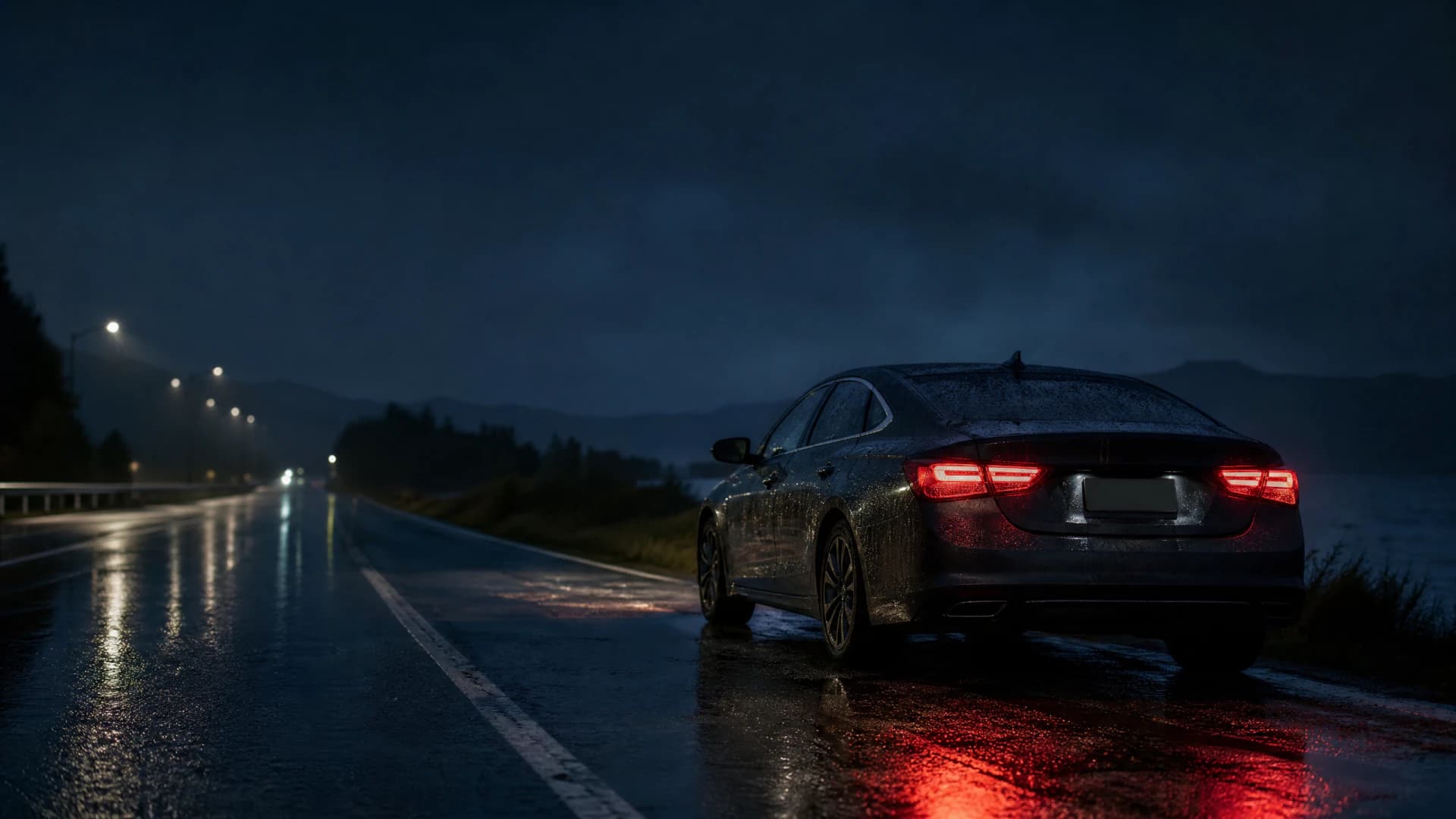
Your license suspends for 90 days, you pay $88 to reinstate, and Pennsylvania monitors your insurance status for three years after the violation.
Related Articles




What Counts as Proof of Insurance for Reinstatement
Pennsylvania accepts six forms of proof when you reinstate after a suspension: an insurance ID card, a policy declaration page, an Assigned Risk Plan application showing you've been accepted, a PennDOT self-insurance certificate, an insurance binder from a licensed carrier, or a letter from your carrier confirming active coverage. The proof must show coverage that meets Pennsylvania's minimum liability limits: $15,000 per person for bodily injury, $30,000 per accident, and $5,000 for property damage. Personal injury protection is also required.
Pennsylvania does not use SR-22 certificates. Some drivers assume they need an SR-22 filing because other states require it after similar violations, but Pennsylvania's proof-of-insurance system works differently. You provide one of the six accepted documents directly to PennDOT when you pay your reinstatement fee. Your carrier does not file anything on your behalf.
The proof you submit must be current on the date you reinstate. A declaration page from a policy that expired two weeks ago does not satisfy the requirement. If you let your policy lapse after reinstatement and PennDOT receives a cancellation notice from your carrier, your license suspends again immediately.
$88
PA Reinstatement Fee
Pennsylvania charges $88 to reinstate your license after a suspension for driving without insurance. This fee is separate from any fines imposed by the court and must be paid before PennDOT will restore your driving privileges.
Pennsylvania Department of Transportation
How the Suspension Affects Multi-Vehicle Households
If you own multiple vehicles and one was uninsured when you were cited, Pennsylvania suspends your license, not your vehicle registrations. Your other cars remain registered, but you cannot legally drive any of them until you reinstate. Other household members with valid licenses can still drive the registered vehicles as long as those vehicles carry active insurance policies.
The three-year monitoring window applies to you as a driver, not to a specific vehicle. If you switch cars, change carriers, or add a vehicle to your policy during the monitoring period, PennDOT continues tracking your insurance status. A lapse on any vehicle you drive triggers the suspension, even if the lapse occurs on a car you did not own when the original violation happened.
Compare Carriers That Write Post-Suspension Coverage
After a suspension for driving without insurance, not every carrier will write you a new policy, and those that do often place you in a higher-risk tier. Acceptance Insurance, Bristol West, Dairyland, Direct Auto, GAINSCO, Infinity, Kemper, National General, The General, Progressive, and Geico all write policies for drivers with recent suspensions in Pennsylvania. Standard-tier carriers like State Farm, Allstate, and Travelers may decline or quote significantly higher rates.
You need coverage that meets Pennsylvania's minimum liability limits and remains active for the full three-year monitoring window. A policy that cancels mid-term because you missed a payment restarts the suspension cycle. Compare carriers that specialize in high-risk drivers and offer flexible payment plans—monthly electronic funds transfer reduces the risk of a missed payment that triggers cancellation. Use the site's comparison tool to see which carriers write policies for your household's vehicles and driving history.
How Pennsylvania Tracks Insurance After a Violation
Every auto insurance carrier writing policies in Pennsylvania reports policy cancellations and lapses to PennDOT electronically. When your carrier cancels your policy—whether you stopped paying, requested cancellation, or the carrier non-renewed you—PennDOT receives that notice within days. If you are within the three-year monitoring window following an uninsured-driving violation, that cancellation notice triggers an automatic suspension. You do not get a grace period to find new coverage before the suspension takes effect.
The three-year monitoring period begins on the date of your original violation, not the date you reinstated. If you were cited for driving without insurance on March 1, 2025, PennDOT monitors your insurance status until March 1, 2028, regardless of when you paid the reinstatement fee or provided proof of coverage. A lapse at any point during that window suspends your license again, and the reinstatement process repeats—another $88 fee, another proof-of-insurance filing, and the monitoring window does not reset.
Get Your Free Quote
Get My Pennsylvania Car Insurance QuoteFrequently Asked Questions
Can Pennsylvania impound my car if I drive without insurance?
No. Pennsylvania suspends your driver's license for 90 days after a first offense of driving without insurance, but does not impound your vehicle. The car remains with you, but you cannot legally drive it or any other vehicle until you reinstate your license by paying an $88 fee and providing proof of insurance.
How long does a Pennsylvania license suspension for no insurance last?
Pennsylvania suspends your license for 90 days after driving without insurance. At the end of 90 days, you must pay an $88 reinstatement fee and provide proof of insurance before PennDOT restores your driving privileges. If you do not complete both steps, the suspension continues indefinitely.
Does Pennsylvania require SR-22 after driving without insurance?
No. Pennsylvania does not use SR-22 certificates. After a suspension for driving without insurance, you provide proof of coverage directly to PennDOT when you pay your reinstatement fee. Accepted proof includes an insurance ID card, declaration page, or carrier letter confirming active coverage that meets state minimum liability limits.
What happens if my insurance lapses after I reinstate in Pennsylvania?
Pennsylvania monitors your insurance status for three years after a violation for driving without insurance. If your carrier cancels your policy during that window, PennDOT suspends your license again automatically. You must pay another $88 reinstatement fee and provide new proof of insurance to restore your driving privileges.
Can I drive my other cars while my license is suspended for no insurance in Pennsylvania?
No. Pennsylvania suspends your driver's license, not your vehicle registrations. You cannot legally drive any vehicle—including other cars you own—until you reinstate your license by paying the $88 fee and providing proof of insurance. Other household members with valid licenses can drive your registered vehicles if those vehicles carry active insurance.
How much does it cost to reinstate my license after driving without insurance in Pennsylvania?
Pennsylvania charges an $88 reinstatement fee after a suspension for driving without insurance. This fee is separate from any court fines and must be paid to PennDOT along with proof of insurance before your driving privileges are restored.