
Continuous Auto Insurance Coverage — Pennsylvania
Free to compare
The Registration-Insurance Link Pennsylvania Drivers Miss
You own two cars. One sits in the driveway most weeks while you drive the other daily. You're wondering whether Pennsylvania law requires you to keep insurance active on both vehicles year-round, or whether you can cancel coverage on the rarely-driven car to save money. The question feels straightforward, but the answer involves a structural reality most drivers don't expect.
Pennsylvania does not have a continuous-coverage statute. No law says you must maintain uninterrupted insurance simply because you hold a driver's license. But the state does require proof of insurance for every registered vehicle, and when your insurer cancels your policy or you cancel it yourself, the insurer notifies PennDOT within 15 days. That notification triggers automatic registration suspension for the vehicle, even if the car never leaves your garage. The gap between what the law technically requires and what actually happens when you cancel creates confusion that costs drivers reinstatement fees they didn't anticipate.
“Pennsylvania suspends registration automatically when insurance cancels, even if the car never leaves your driveway.”

Meet Pennsylvania's Requirements Without Overpaying
Get My Pennsylvania Car Insurance Quote$15,000/$30,000/$5,000
PA Minimum Liability Limits
Pennsylvania requires $15,000 bodily injury per person, $30,000 per accident, and $5,000 property damage as the statutory floor. Personal injury protection is also mandatory. These minimums apply to every registered vehicle, and maintaining them is the condition for keeping registration active.
Pennsylvania Department of Transportation, 75 Pa.C.S. §1786
What Happens When You Cancel Coverage on a Registered Vehicle
When you cancel insurance on a vehicle that remains registered, your carrier sends a cancellation notice to PennDOT's Bureau of Driver Licensing. PennDOT suspends the vehicle's registration automatically. The suspension is administrative, not punitive: you haven't committed a violation, but the registration is no longer valid. If you drive the vehicle during suspension, you're operating an unregistered car, which carries separate penalties.
If the vehicle was uninsured for more than 31 days, PennDOT may also impose a registration suspension period that extends beyond the date you obtain new coverage. The fee and the suspension period apply even if the car never moved during the coverage gap.
This structure means Pennsylvania enforces a continuous-coverage requirement indirectly. You're not breaking a law by letting coverage lapse, but you cannot keep a vehicle registered without active insurance. For a household insuring multiple vehicles, this creates a decision point: cancel registration on the unused car to avoid the insurance requirement, or keep it registered and insured to preserve the ability to drive it without delay.
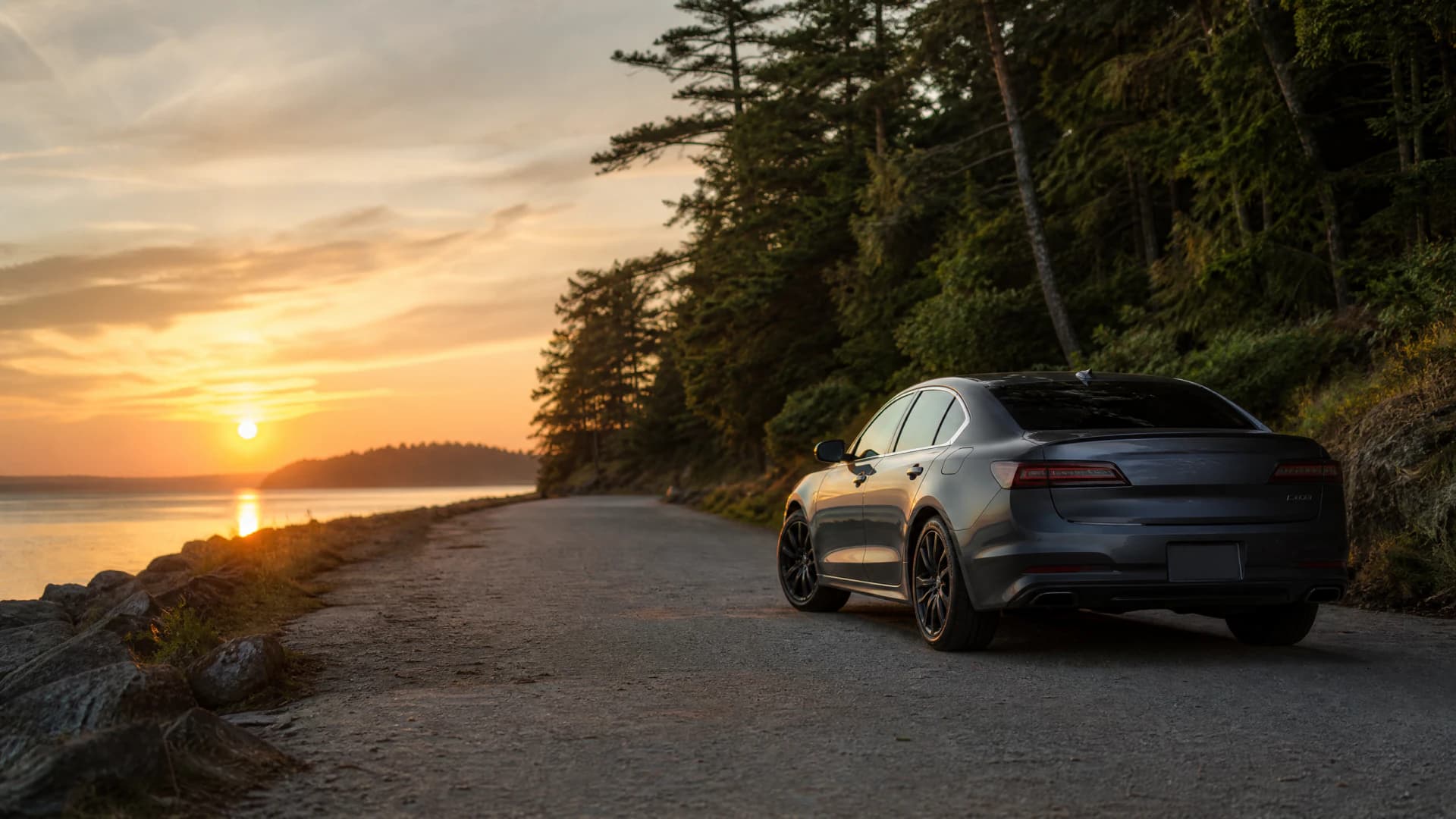
Canceling insurance on a registered vehicle suspends registration automatically, even if the car stays parked.
Related Articles




State-Specific Enforcement and Carrier Notification Rules
Pennsylvania law requires insurers to notify PennDOT within 15 days of policy cancellation, whether the cancellation originates with the carrier or the policyholder. The notification is automatic: carriers report cancellations electronically, and PennDOT processes suspensions without manual review. You will not receive advance warning before the suspension takes effect. The first notice most drivers receive is a suspension letter that arrives after registration is already invalid.
PennDOT does not distinguish between a car you're actively driving and a car that sits unused. The registration-insurance link applies equally to both. If you own four vehicles and cancel coverage on one, that vehicle's registration suspends while the others remain valid, assuming their insurance stays active. The suspension is vehicle-specific, not driver-specific: your license remains valid, but the uninsured vehicle cannot be legally driven or re-registered until you provide proof of new coverage and pay the restoration fee.
Some drivers assume they can cancel insurance during winter months when a vehicle isn't driven and reinstate it in spring without consequence. The registration-insurance tie does not pause seasonally.
11%
PA Uninsured Motorist Rate
Eleven percent of Pennsylvania motorists drive uninsured, according to 2023 data. The automatic suspension system is designed to reduce that figure by making it structurally difficult to keep a vehicle registered without active coverage, but enforcement depends entirely on the registration-insurance link.
Insurance Research Council, Uninsured Motorists 2023
Comparing Continuous Coverage to Comprehensive-Only Storage Policies
Some carriers offer comprehensive-only coverage for vehicles in storage. This product maintains the insurance requirement for registration purposes while eliminating liability, collision, and other coverages you don't need for a parked car. Comprehensive-only policies cover theft, vandalism, fire, and weather damage, but they do not allow you to drive the vehicle legally. If you start the car and move it, even within your own property, you're technically operating without liability coverage.
Comprehensive-only storage coverage satisfies PennDOT's proof-of-insurance requirement and prevents registration suspension, but it does not provide the multi-car discount most households rely on to reduce total premium cost. Dropping a vehicle to comprehensive-only removes it from the multi-car count, which re-rates the remaining vehicles at single-car pricing. For a household insuring three cars, moving one to storage coverage can raise the cost of insuring the other two by more than the storage policy saves. The math depends on your carrier's discount structure and the base rates for each vehicle, but the principle holds: storage coverage prevents suspension without preserving the multi-car discount.
What to Do When You Need to Drop Coverage on One Vehicle
If you're certain you won't drive the vehicle for an extended period, cancel registration first, then cancel insurance. Canceling registration removes the insurance requirement and prevents automatic suspension. When you're ready to drive the car again, obtain insurance, then re-register.
If you want to preserve the ability to drive the vehicle without delay, keep it registered and insured. Compare the cost of maintaining full coverage on the rarely-driven car against the cost of losing the multi-car discount on your other vehicles. In most cases, keeping the third or fourth vehicle on the policy costs less than re-rating the first two at single-car pricing. Contact carriers that write multi-vehicle policies in Pennsylvania and ask for a quote that includes all your vehicles on one policy. The comparison will show whether dropping one car saves money or costs more once the discount structure changes.
How Multi-Vehicle Households Navigate the Registration-Insurance Tie
If you cancel registration on the unused vehicle, you're no longer required to insure it. The car can sit in your driveway or garage indefinitely without triggering penalties. When you want to drive it again, you'll need to obtain insurance, then re-register the vehicle and pay the standard registration fee. This path works for cars you genuinely don't expect to use for months at a time, but it requires planning: you cannot decide to drive the car tomorrow without completing the registration process first.
If you keep the vehicle registered, you must maintain continuous insurance to avoid suspension. Most multi-vehicle policies offer a multi-car discount when every vehicle sits on the same policy, which reduces the per-vehicle cost compared to insuring each car separately. The discount typically requires all vehicles to be garaged at the same address and titled to policyholders on the same policy. Dropping one vehicle from the policy mid-term re-rates the remaining vehicles and may eliminate the discount structure entirely, raising the cost for the cars you continue to insure.
Get Your Free Quote
Get My Pennsylvania Car Insurance QuoteFrequently Asked Questions
Does Pennsylvania require continuous car insurance if I'm not driving?
Pennsylvania does not require continuous insurance by statute, but keeping a vehicle registered requires active insurance. If you cancel coverage on a registered vehicle, PennDOT suspends registration automatically. You can avoid this by canceling registration before canceling insurance.
What happens if I let my car insurance lapse in Pennsylvania?
Your insurer notifies PennDOT within 15 days, and PennDOT suspends the vehicle's registration automatically. If the lapse exceeds 31 days, PennDOT may impose an additional suspension period.
Can I insure only some of my vehicles in Pennsylvania?
Yes, but any vehicle that remains registered must carry active insurance. If you cancel coverage on a registered vehicle, registration suspends automatically. You can cancel registration on vehicles you don't plan to drive, then re-register them when needed.
Does Pennsylvania track insurance lapses for drivers or for vehicles?
Pennsylvania tracks insurance at the vehicle level, not the driver level. Each registered vehicle must have active coverage. If one vehicle's insurance cancels, that vehicle's registration suspends, but your other registered vehicles and your driver's license remain valid.
How much does it cost to reinstate registration after an insurance lapse in Pennsylvania?
If the vehicle was uninsured for more than 31 days, PennDOT may impose a suspension period that delays re-registration even after you obtain coverage. The fee applies even if you never drove the vehicle during the lapse.
Can I use comprehensive-only coverage to keep a car registered in Pennsylvania?
Yes. Comprehensive-only storage coverage satisfies PennDOT's insurance requirement and prevents registration suspension, but it does not allow you to drive the vehicle legally. It also removes the vehicle from your multi-car discount count, which can raise the cost of insuring your other vehicles.
Will canceling insurance on one car affect my multi-car discount in Pennsylvania?
Yes. The multi-car discount typically requires every vehicle to sit on the same policy. Dropping one vehicle re-rates the remaining cars at single-car pricing, which often costs more than keeping all vehicles on one policy, even if you rarely drive one of them.