
Update Your Address on Pennsylvania Car Insurance
Free to compare
When Moving One Car Triggers a Policy-Wide Re-Rate
You moved one vehicle to a new address — a college student took a car to campus, you bought a second home and garage a car there, or you relocated and one car moved before the others. Your carrier needs the new garaging address within 30 days, and when you report it, the carrier re-rates every vehicle on your policy, not just the one that moved. Pennsylvania carriers price coverage by garaging location: urban Philadelphia garaging costs more than rural Centre County garaging because theft rates, accident frequency, and repair costs differ. When one car's address changes, the carrier recalculates the premium for the entire policy because the household's risk profile shifted.
The procedural reality: you cannot update just one car's address and leave the rest untouched. Pennsylvania carriers treat the garaging address as a policy-level attribute when multiple vehicles sit on one policy. The moved car gets the new location's rate, and the remaining cars stay at the original location's rate, but the carrier re-underwrites the combined policy and adjusts the multi-car discount calculation. The total premium changes, and the change applies at your next billing cycle or renewal, whichever comes first.
“Pennsylvania carriers re-rate every vehicle on your policy when one car's garaging address changes, not just the moved car.”

Meet Pennsylvania's Requirements Without Overpaying
Get My Pennsylvania Car Insurance Quote30 days
PA Address Update Window
Pennsylvania carriers require address updates within 30 days of the move. Miss that window and a claim filed after 30 days can be denied for material misrepresentation — the carrier priced your policy for the wrong garaging location, and the contract is voidable.
What Pennsylvania Carriers Actually Need
The carrier needs the new garaging address — the physical location where the vehicle is parked overnight, not your mailing address. If you moved your residence but one car still parks at the old address, report the garaging address for that car separately. Pennsylvania law requires proof of insurance at registration, and the address on your insurance ID card must match the garaging address you report to PennDOT when you register or renew a vehicle. A mismatch flags the registration as non-compliant.
When you call or log in to update the address, the carrier asks for the effective date of the move, the new garaging ZIP code, and whether the move is permanent or temporary. Temporary moves — a college student taking a car to campus for a semester, a car garaged at a vacation home for part of the year — may qualify for a different rate treatment than a permanent relocation. Some carriers apply the higher of the two locations' rates to the vehicle year-round; others prorate by the number of months garaged at each address. Ask which method your carrier uses before you finalize the update.
The carrier re-rates the policy immediately when you report the change mid-term, and the new premium applies at your next billing cycle. If the new garaging location's rate is higher than your current location, your monthly payment increases. If the new location's rate is lower, your payment decreases. The carrier does not wait until renewal to apply the change — the re-rate happens as soon as you report the move, and you see the adjusted premium on your next bill.
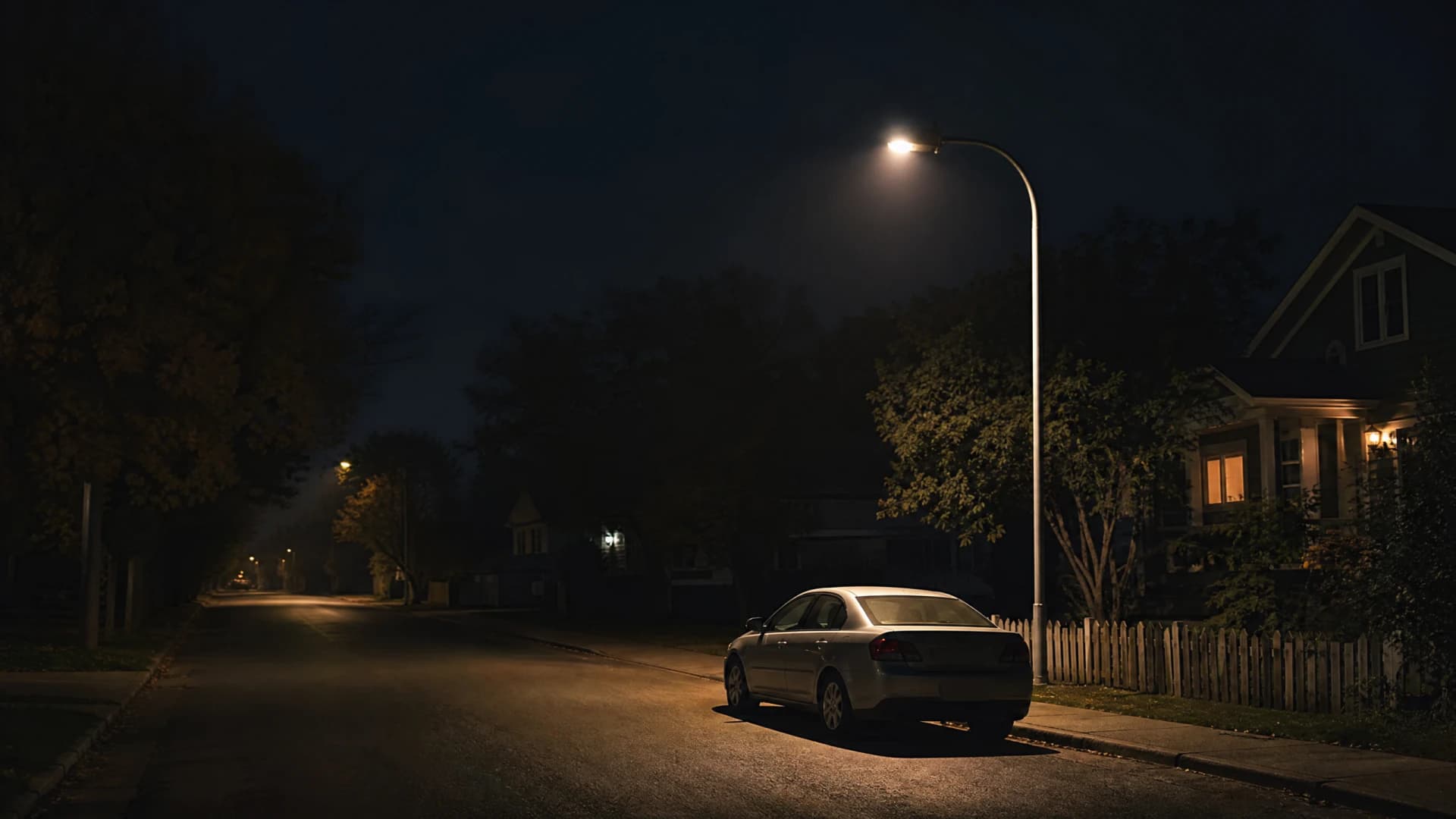
A claim filed more than 30 days after a move you did not report can be denied for material misrepresentation — the carrier priced your policy for the wrong risk, and Pennsylvania law allows rescission.
Related Articles
Pennsylvania Car Insurance Requirements
7/15/2026

Moving to Pennsylvania Car Insurance Impact
7/15/2026
Switching Car Insurance Moving to Pennsylvania
7/15/2026
Out-of-State Insurance After PA Move
7/15/2026
Transfer Multi-Car Insurance to Pennsylvania
7/15/2026

Car Insurance When Moving to Pennsylvania
7/15/2026

When a Second Address Requires a Second Policy
Pennsylvania carriers do not allow multiple garaging addresses on a single auto policy unless the addresses belong to the same household and the vehicles are used interchangeably. A vacation home where you garage a car part-time, a college student's campus address, or a second residence where you work during the week may require a separate policy. The carrier underwrites each policy independently, and you lose the multi-car discount unless both policies remain with the same carrier and the carrier offers a multi-policy discount that bridges the two.
When you call to update the address and the carrier determines the new address requires a separate policy, the carrier splits the policy effective the date of the move. The moved vehicle transfers to a new policy number, and the remaining vehicles stay on the original policy. You receive two separate bills, two separate policy numbers, and two separate renewal dates. If the moved vehicle was the primary vehicle on the original policy, the carrier may re-designate a different vehicle as primary on the original policy, which can change the premium for the remaining vehicles.
Some Pennsylvania carriers allow you to keep multiple vehicles on one policy if the garaging addresses are within the same county or within a set mileage radius. Ask your carrier what their split-address rule is before you report the move. If the carrier requires a split, compare the cost of two separate policies with your current carrier against the cost of moving both policies to a carrier that allows split-address households on one policy.
10,868,829
Registered Vehicles in PA
Pennsylvania had 10,868,829 registered motor vehicles in 2022. Multi-vehicle households are common, and carriers price policies by garaging location because risk varies widely across the state's urban, suburban, and rural counties.
Pennsylvania Department of Transportation, 2022
How to Report the Address Change
Log in to your carrier's online portal or mobile app and navigate to the policy details section. Most Pennsylvania carriers allow address updates through the self-service portal without requiring a phone call. Enter the new garaging address, the effective date of the move, and confirm which vehicles on the policy are moving to the new address. The system generates a revised premium quote immediately, and you can review the new monthly payment before you finalize the change.
If your carrier does not offer online address updates, call the customer service number on your insurance ID card. The representative asks for the new garaging address, the move date, and whether the move is permanent or temporary. The representative quotes the new premium over the phone, and the change takes effect on the date you specify. Request a confirmation email or letter documenting the new address and the effective date — you need that confirmation if a claim arises and the carrier questions when the address was updated.
Compare Carriers Before You Finalize the Update
Before you finalize the address update with your current carrier, compare what other Pennsylvania carriers would charge for the same coverage at the new garaging address. The re-rate your current carrier applies may push your premium higher than a new policy with a different carrier would cost. Pennsylvania has 26 carriers writing auto insurance in the state, and their rate structures differ — a carrier that offered the lowest rate at your original address may not be the lowest at the new address.
Request quotes from at least three carriers that write multi-vehicle policies in Pennsylvania. Provide the new garaging address, the number of vehicles you insure, and the coverage limits you currently carry. Compare the total annual premium for all vehicles combined, not just the monthly payment for one car. A carrier that quotes a lower rate for the moved vehicle but a higher rate for the remaining vehicles may cost more overall than your current carrier's re-rated policy. When you have quotes in hand, decide whether to stay with your current carrier or switch before you report the move.
How the Multi-Car Discount Recalculates After an Address Change
If all your vehicles remain garaged at the same address after the move — you relocated your household and every car moved with you — the multi-car discount continues to apply to the full policy. The carrier re-rates every vehicle for the new location's risk profile, recalculates the combined premium, and applies the discount to that new total. The discount percentage typically stays the same, but the dollar amount of the discount changes because the base premium changed.
If one vehicle moves to a new address and the others stay at the original address — a college student takes a car to campus, or you garage a car at a second home — the multi-car discount may no longer apply to the moved vehicle. Most Pennsylvania carriers require all vehicles on a policy to share a garaging address to qualify for the multi-car discount. The moved vehicle gets rated at the new location without the discount, and the remaining vehicles at the original address keep the discount. Some carriers split the policy into two separate policies at that point, one for each garaging address, and you lose the multi-car discount entirely. Call your carrier before you report the move to confirm how they handle split-address households.
Get Your Free Quote
Get My Pennsylvania Car Insurance QuoteFrequently Asked Questions
Do I need to update my car insurance address if I move within the same city in Pennsylvania?
Yes. Pennsylvania carriers price coverage by ZIP code, and rates vary within the same city. Moving from one Philadelphia ZIP code to another can change your premium because theft rates, accident frequency, and repair costs differ by neighborhood. Report the new garaging address within 30 days of the move.
What happens if I update my mailing address but not my garaging address with my Pennsylvania car insurance?
Your carrier bills you at the new mailing address, but your policy remains priced for the old garaging address. If you file a claim and the carrier discovers the car was garaged at a different address than the one on the policy, the carrier can deny the claim for material misrepresentation. Update both addresses.
Can I keep all my cars on one Pennsylvania policy if I garage them at different addresses?
Most Pennsylvania carriers require all vehicles on a multi-car policy to share the same garaging address. If you garage cars at two addresses — a primary home and a vacation home, or a college student's campus address — the carrier typically splits the policy into two separate policies, one for each address, and you lose the multi-car discount.
How long does it take for an address change to show on my Pennsylvania insurance ID card?
Most Pennsylvania carriers generate a new insurance ID card with the updated address within 24 to 48 hours of the change. You can download the updated card from your carrier's mobile app or online portal immediately. Request a printed card by mail if you need a physical copy for PennDOT registration.
Does updating my address affect my multi-car discount in Pennsylvania?
If all your vehicles move to the same new address, the multi-car discount continues to apply. If one vehicle moves to a different address and the others stay at the original address, most Pennsylvania carriers remove the multi-car discount from the moved vehicle or split the policy into two separate policies, and you lose the discount entirely.
What documents do I need to update my car insurance address in Pennsylvania?
You need the new garaging address, the effective date of the move, and the policy number. Some carriers ask for proof of the new address — a lease agreement, utility bill, or mortgage statement — if the move triggers a significant rate change. Have your current insurance ID card available when you call or log in to update.