
Hartford Multi-Car Insurance — Pennsylvania
Free to compare
Hartford Writes Pennsylvania Auto Through Subsidiary Carriers
Hartford does offer car insurance in Pennsylvania, but not under the Hartford brand directly. Pennsylvania policies are written by Nutmeg Insurance Company and Twin City Fire Insurance Company, both Hartford Financial Services Group subsidiaries. If you're shopping for multi-car coverage and see Hartford's name, you're buying from one of these two carriers, not Hartford itself.
This subsidiary structure matters for multi-vehicle households because policy administration, discount application, and household-enrollment rules flow through the subsidiary carrier, not Hartford's national platform. When you add a second or third vehicle, the multi-car discount applies at the subsidiary-carrier policy level. Understanding which entity actually writes your policy clarifies how adding vehicles re-rates your premium and whether combining two existing policies into one household policy saves money or costs more.
“A vehicle titled to someone outside your household cannot be added to your Hartford policy, even if you're the primary driver.”

Meet Pennsylvania's Requirements Without Overpaying
Get My Pennsylvania Car Insurance Quote$15,000/$30,000/$5,000
Pennsylvania Liability Minimums
Pennsylvania requires $15,000 bodily injury per person, $30,000 per accident, and $5,000 property damage as minimum liability limits. Every vehicle on a multi-car policy must carry at least these limits, though higher limits often cost only marginally more per vehicle.
Pennsylvania Department of Transportation
Multi-Car Discount Requires Same-Policy Enrollment
Hartford's multi-car discount applies only when every vehicle sits on the same policy, written by the same subsidiary carrier. A vehicle titled to a household member on a separate Nutmeg or Twin City policy does not qualify for the same-policy discount, even if both policies are Hartford-branded and share a household address.
This same-policy requirement creates a structural decision point for Pennsylvania households with multiple drivers. If you and a spouse each carry a separate Hartford policy and want to combine them, the combined policy re-rates every vehicle based on every driver's record. A clean-record driver paired with a driver carrying points may see the combined premium exceed the sum of the two separate policies, even after the multi-car discount applies.
The discount itself reduces the per-vehicle premium when two or more vehicles enroll on one policy. Hartford does not publish the discount percentage, and the actual savings vary by vehicle type, driver age, and coverage selections. The same-policy structure means adding a third vehicle mid-term re-rates the entire policy rather than simply adding a flat amount to the existing premium.
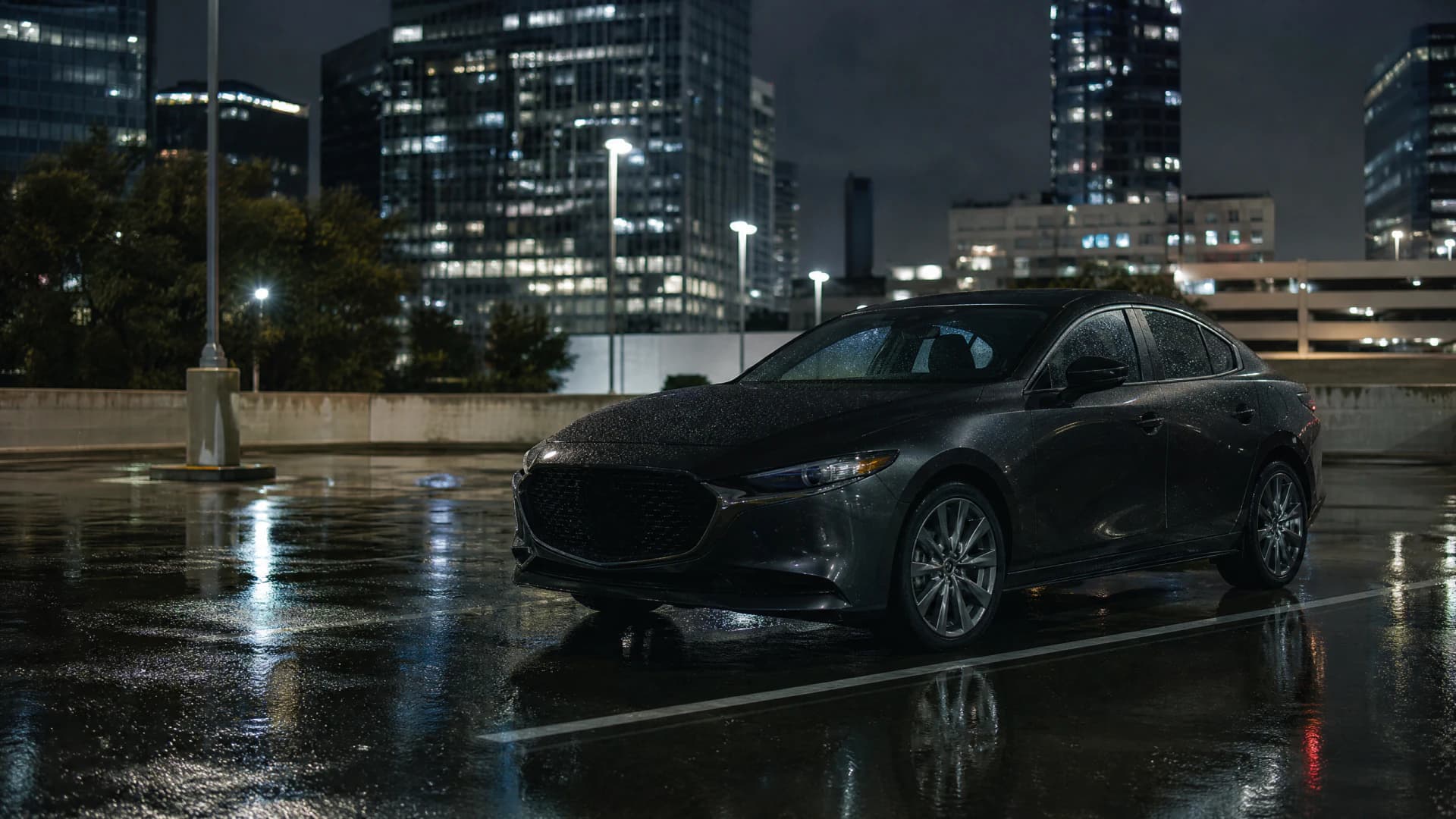
A vehicle titled to someone outside your household cannot be added to your Hartford policy, even if you're the primary driver.
Related Articles





Pennsylvania Coverage Requirements for Multi-Car Policies
Pennsylvania mandates personal injury protection coverage on every auto policy, in addition to the state's minimum liability limits. PIP covers medical expenses for you and your passengers regardless of fault. Every vehicle on a multi-car Hartford policy carries PIP, and the PIP premium applies per vehicle, not per policy.
Uninsured motorist coverage is optional in Pennsylvania, but Hartford and most carriers offer it as a default selection you must actively decline. When you add a second or third vehicle, the UM coverage applies to every vehicle on the policy. Declining UM on one vehicle while keeping it on another is not permitted under most Hartford subsidiary-carrier policy structures.
Collision and comprehensive coverage are optional for every vehicle. A multi-car household often carries full coverage on financed or leased vehicles and drops collision on older paid-off cars. Hartford allows different coverage selections per vehicle on the same policy, but the multi-car discount applies to the policy as a whole, not to individual vehicles. Dropping collision on one vehicle does not reduce the multi-car discount applied to the other vehicles.
11%
Pennsylvania Uninsured Motorist Rate
Eleven percent of Pennsylvania motorists drive uninsured. Uninsured motorist coverage protects your household when an at-fault driver carries no insurance. On a multi-car policy, UM coverage applies to every vehicle and every driver listed on the policy.
Insurance Research Council, 2023

Adding a Vehicle Mid-Term Re-Rates the Entire Policy
Hartford subsidiary carriers provide a grace period when you buy a new vehicle, typically 14 to 30 days depending on the carrier and your existing policy terms. During that window, the newly-purchased vehicle is covered under your existing policy's liability and any full-coverage selections you carry on other vehicles. After the grace period expires, an unreported vehicle can be denied at claim time.
To add the vehicle permanently, contact Hartford or your agent before the grace window closes. The carrier re-rates the entire policy based on the new vehicle's make, model, year, and garaging address. The multi-car discount applies to the re-rated policy, but the new premium reflects every vehicle on the policy, not just the added car. A high-value or high-performance vehicle can increase the policy premium more than the multi-car discount offsets.
Compare Hartford Against Pennsylvania's Multi-Car Carrier Roster
Hartford competes in Pennsylvania's standard and preferred tiers, but the state's multi-car market includes 26 carriers writing coverage across standard, preferred, and non-standard tiers. Carriers differ in how they calculate the multi-car discount, how they handle household-driver assignments, and whether they allow different coverage levels per vehicle on the same policy. Hartford's subsidiary structure and same-policy requirement fit some households well and others poorly.
Compare Hartford's combined-policy quote against quotes from State Farm, Erie, Nationwide, and other Pennsylvania carriers that write multi-vehicle policies. Request quotes that reflect every vehicle, every driver, and the specific coverage selections you need for each car. The lowest per-vehicle premium does not always produce the lowest total household cost when the multi-car discount and household-driver rating interact. Compare the total annual premium for the entire household, not the per-vehicle monthly amount.
How Hartford Structures Multi-Vehicle Policies
When you add a second vehicle to an existing Nutmeg or Twin City policy, the carrier re-rates the policy based on both vehicles' garaging address, both drivers' records, and the coverage selections for each vehicle. The multi-car discount applies automatically at the policy level, but the re-rated premium reflects every vehicle and every driver on the policy. A newly-added vehicle does not simply add a flat monthly amount to your existing bill.
Combining two separate Hartford policies into one household policy requires re-enrollment. The new policy treats every vehicle and every driver as a single risk pool. If one driver carries points or a recent claim, that driver's record affects the premium for every vehicle on the policy, not just the vehicle that driver primarily operates. The multi-car discount offsets some of the combined-risk premium increase, but not all of it. Compare the combined-policy quote against the sum of your two separate policies before you commit.
Get Your Free Quote
Get My Pennsylvania Car Insurance QuoteFrequently Asked Questions
Does Hartford offer a multi-car discount in Pennsylvania?
Yes, Hartford offers a multi-car discount in Pennsylvania through its Nutmeg and Twin City subsidiary carriers. The discount applies when two or more vehicles are insured on the same policy. The discount percentage varies by vehicle type, driver age, and coverage selections, and Hartford does not publish a fixed discount rate.
Can I combine two separate Hartford policies into one multi-car policy?
Yes, you can combine two separate Hartford policies into one household policy, but the combined policy re-rates every vehicle based on every driver's record. If one driver carries points or a recent claim, that driver's record affects the premium for every vehicle on the policy. Compare the combined-policy quote against the sum of your two separate policies before you commit.
How long do I have to add a newly-purchased vehicle to my Hartford policy?
Hartford subsidiary carriers typically provide a 14 to 30 day grace period when you buy a new vehicle, depending on the carrier and your existing policy terms. During that window, the newly-purchased vehicle is covered under your existing policy. After the grace period expires, an unreported vehicle can be denied at claim time.
Can I carry different coverage levels on different vehicles on the same Hartford policy?
Yes, Hartford allows different coverage selections per vehicle on the same policy. You can carry full coverage on financed or leased vehicles and drop collision on older paid-off cars. The multi-car discount applies to the policy as a whole, not to individual vehicles.
What are Pennsylvania's minimum liability limits for a multi-car policy?
Pennsylvania requires $15,000 bodily injury per person, $30,000 per accident, and $5,000 property damage as minimum liability limits. Every vehicle on a multi-car policy must carry at least these limits. Pennsylvania also mandates personal injury protection coverage on every auto policy.